Films › Directing
A Brighter Summer Day
Directed by Edward Yang, 1991
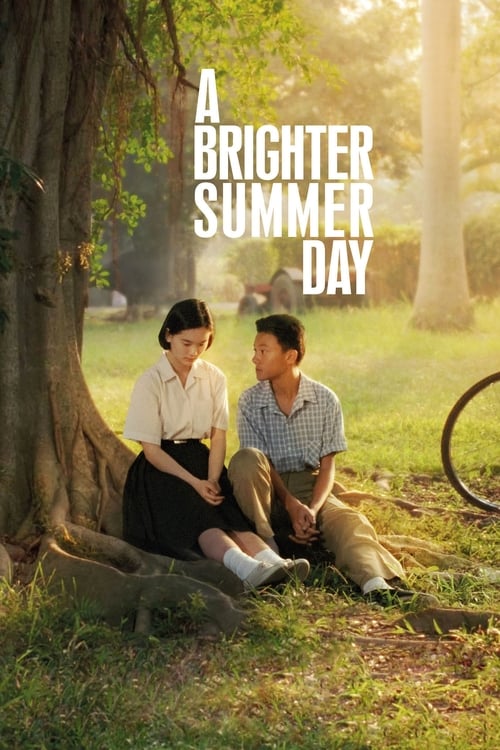
Edward Yang built a four-hour epic around blocking and distance rather than close-ups, staging teenage gang violence in wide shots where faces are often obscured by darkness or architecture. Cinematographer Chang Hui-kung and Li Longyu worked almost entirely with practical and ambient light, letting flashlights and single bulbs carve out figures in a black frame. The discipline is in restraint: Yang refuses to cut in for emotional emphasis, trusting composition and duration to build dread. Interiors are shot through doorways and windows, keeping the camera an observer rather than a participant, which forces the audience to actively search the frame. Sound design carries emotional weight the visuals withhold, with off-screen violence often more disturbing than anything shown. For a filmmaker, the lesson is about earned patience: scenes run long past the point of conventional coverage because Yang is building a social world, not a sequence of beats. Anyone tempted to over-light a night exterior or over-cut a fight scene should study how absence of coverage here creates unbearable tension instead of confusion.
What to watch for
Watch how the assassination scene is staged almost entirely in near-total darkness with the camera holding a static wide shot.
This product uses the TMDB API but is not endorsed or certified by TMDB.
Affiliate disclosure. Links on this page are affiliate links. As an Amazon Associate, Occupy Cinema earns from qualifying purchases, at no extra cost to you. Read the full policy.