Films › Directing
A City of Sadness
Directed by Hou Hsiao-hsien, 1989
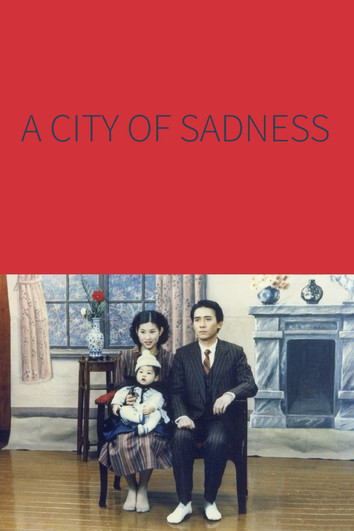
Hou Hsiao-hsien directed almost entirely in long static or slow panning wide shots, refusing close ups even during moments of political violence and family grief, forcing the audience to locate emotional information within a crowded frame rather than being guided to it by editing. Major historical events, including massacres tied to the February 28 incident, occur off screen or at the edge of frame, reported through sound, aftermath or overheard dialogue rather than staged directly, treating historical trauma as something communities absorb obliquely rather than witness cinematically. Hou also cast a deaf character as an audience surrogate who communicates by written note, and used title cards and voiceover diary entries to carry expository information dialogue deliberately withholds, distributing narrative clarity unevenly on purpose. Scenes frequently begin after their inciting action has already happened, dropping viewers into the middle of consequence rather than staging the causal event itself. For a working director, this is essential study in using camera distance and narrative distance from spectacle to represent how ordinary families experience historical catastrophe.
What to watch for
Notice how the massacre central to the film's history is never shown directly, only registered through its aftermath on the characters' faces.
This product uses the TMDB API but is not endorsed or certified by TMDB.
Affiliate disclosure. Links on this page are affiliate links. As an Amazon Associate, Occupy Cinema earns from qualifying purchases, at no extra cost to you. Read the full policy.