Films › Cinematography
Barry Lyndon
Directed by Stanley Kubrick, 1975
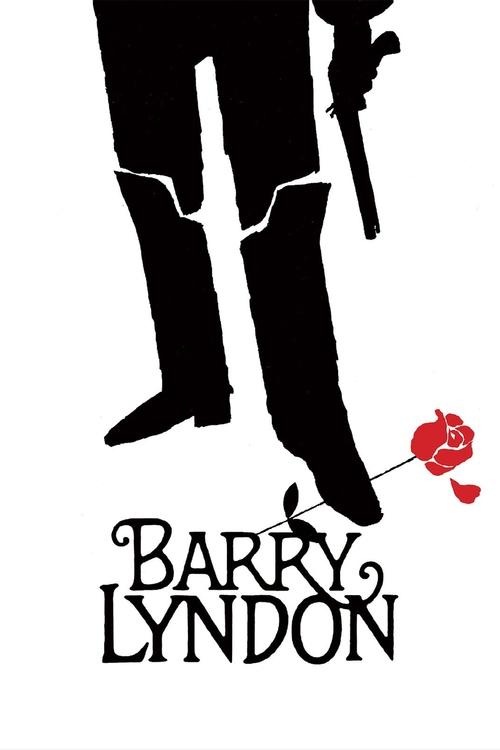
John Alcott and Kubrick shot candlelit interiors on modified Zeiss lenses originally built for NASA, achieving exposures at roughly f0.7 with no supplementary lighting. The technical achievement matters less than the consequence: extremely shallow focus, real flicker and a period interior that behaves like a painting rather than a set. Daylight exteriors are composed and graded to match eighteenth century painting directly. The slow reverse zoom becomes a structural device, pulling the viewer out of intimacy and into landscape. Production designer Ken Adam and costume designers worked from actual period paintings so that when Alcott lit for candlelight the palette and texture already matched historical reference, reducing the grading burden entirely to the photography itself. The film was shot largely in sequence to accommodate the fixed lens choices required for each lighting condition, a scheduling decision most productions cannot afford but one that paid off in consistency. Anyone lighting a low-light interior scene today should trace the lineage of that lens directly back to this production.
What to watch for
Watch the candle scenes for focus falloff and the exteriors for the reverse zoom as an act of authorial commentary.
This product uses the TMDB API but is not endorsed or certified by TMDB.
Affiliate disclosure. Links on this page are affiliate links. As an Amazon Associate, Occupy Cinema earns from qualifying purchases, at no extra cost to you. Read the full policy.