Films › Directing
Black Girl
Directed by Ousmane Sembene, 1966
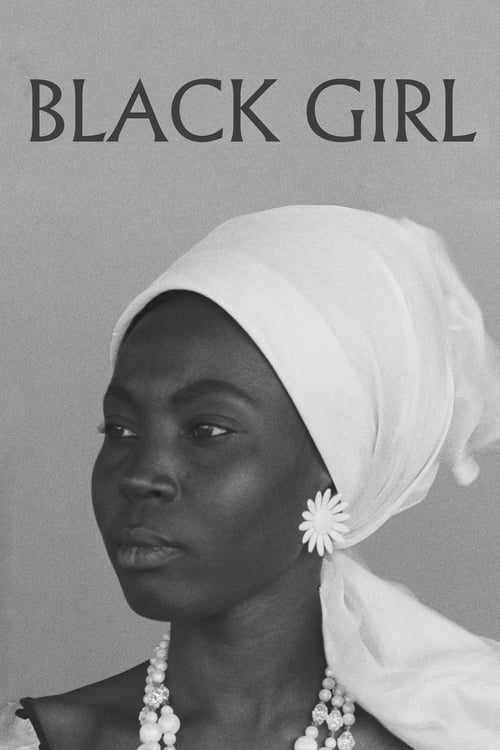
Ousmane Sembene directed Black Girl as his first feature after training in Soviet film schools, and he used a flat, unadorned visual style deliberately stripped of the exoticism common in European films about Africa, refusing decorative shots of landscape or ritual that would distract from the protagonist's psychological entrapment. The film's use of interior monologue as voiceover, spoken while the character remains largely silent onscreen, was a directorial choice to represent a colonized subject's inner life without giving her literal dialogue within the household that silences her. That gap between spoken interiority and enforced onscreen silence is the film's central formal argument, and Sembene sustains it without tipping into didacticism. The African mask that recurs as an object stolen and reclaimed functions as the film's only major symbolic prop, and its handling across the runtime, given, taken, returned, structures the narrative without dialogue explaining its meaning. Directors working with limited budgets should study how Sembene achieved enormous political and emotional weight through simple, controlled staging rather than visual scale.
What to watch for
Notice exactly which scenes use voiceover interiority instead of spoken dialogue and what that substitution reveals about power.
This product uses the TMDB API but is not endorsed or certified by TMDB.
Affiliate disclosure. Links on this page are affiliate links. As an Amazon Associate, Occupy Cinema earns from qualifying purchases, at no extra cost to you. Read the full policy.