Films › Sound and score
Black Panther
Directed by Ryan Coogler, 2018
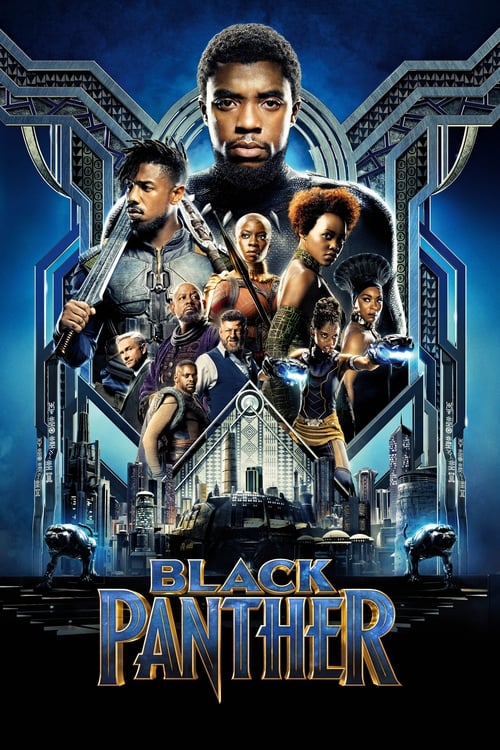
Ludwig Goransson spent months in Senegal and South Africa recording traditional musicians before writing a note of the score, then fused those recordings with orchestral and hip-hop production rather than sampling them as decorative color. Talking drums, isicathamiya vocal groups, and Fula flute lines were recorded as lead instruments and built into thematic material tied to specific characters and factions, so the score functions as a map of political allegiance the same way a costume or set choice would. This approach matters to composers and directors alike because it treats ethnomusicological research as pre-production work with the same rigor as location scouting, not as a texture pass applied after the cut is locked. Ryan Coogler brought Goransson into the process early enough that certain scenes were staged with the eventual rhythmic structure in mind, particularly the ceremonial combat sequences where drum patterns dictate blocking tempo. The lesson for a working filmmaker is that a score built from authentic, specific source material can carry worldbuilding weight that production design and dialogue exposition would otherwise have to shoulder alone.
What to watch for
Listen for how the same drum motif shifts instrumentation and harmony depending on which faction controls a scene.
This product uses the TMDB API but is not endorsed or certified by TMDB.
Affiliate disclosure. Links on this page are affiliate links. As an Amazon Associate, Occupy Cinema earns from qualifying purchases, at no extra cost to you. Read the full policy.