Films › Editing
Capernaum
Directed by Nadine Labaki, 2018
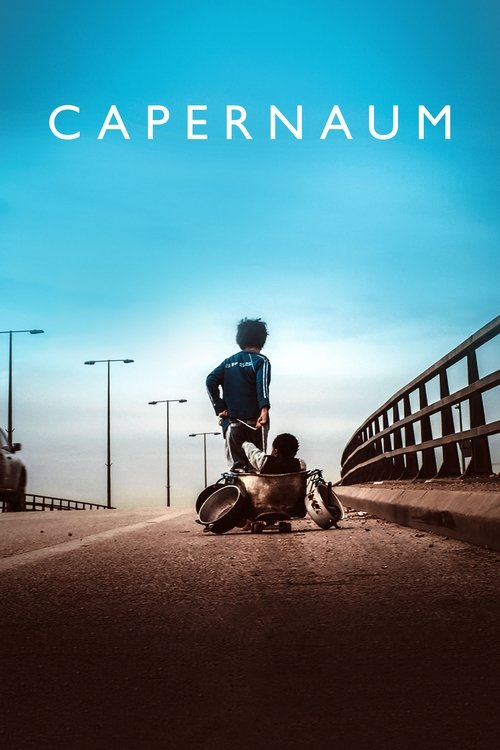
Nadine Labaki and editor Konstantin Bock built Capernaum from over 500 hours of footage, shot with loose documentary coverage rather than a locked script, then found the film's actual shape in the cutting room. The nonlinear frame structure, a boy suing his parents from a courtroom, was reportedly assembled after the fact to organize sprawling verite material into something legible without sanding down its rough edges. This is an editing-driven film in the truest sense: performance and structure both emerged from selection, not blueprint. For editors, the lesson is in how much narrative spine can be built retroactively from observational footage if you are willing to interview your own cut, testing multiple entry points until one clarifies stakes without over-explaining. Labaki cast non-actors living conditions close to their characters, which gave Bock raw material with unpredictable rhythms, and the cut had to find music in that unpredictability rather than impose a conventional pace on it. Anyone editing observational or hybrid documentary-fiction footage should study how a framing device was chosen after production to solve a structural problem, not designed before it.
What to watch for
Track how the courtroom scenes are spaced through the runtime to function as structural anchors rather than a simple bookend.
This product uses the TMDB API but is not endorsed or certified by TMDB.
Affiliate disclosure. Links on this page are affiliate links. As an Amazon Associate, Occupy Cinema earns from qualifying purchases, at no extra cost to you. Read the full policy.