Films › Screenwriting
Casablanca
Directed by Michael Curtiz, 1943
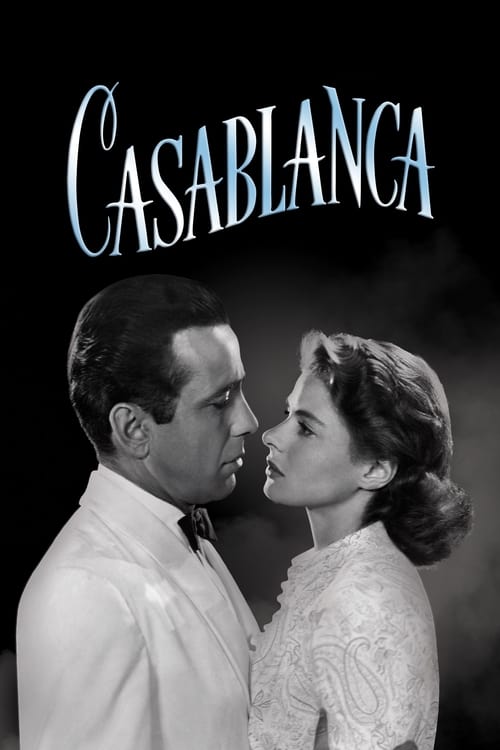
The Epstein brothers and Howard Koch wrote it during production without a finished ending, which is a warning as much as a lesson. Every supporting character has a want, and the cafe is structured so each of them can be serviced in a single location. Exposition arrives as banter, threat or transaction, never as explanation. The final scene reverses the protagonist's stated position and earns it. Arthur Edeson's cinematography uses venetian-blind shadow patterns to suggest imprisonment even in open rooms, reinforcing a script about characters who cannot leave. Curtiz kept scenes tight and functional because the shooting schedule left no room for indulgence, and that discipline reads as economy rather than compromise. Studying the production history alongside the script shows how strong craft can outrun an unfinished plan. Max Steiner's score threads the same two melodies through the film until their final combination becomes the emotional argument of the ending itself.
What to watch for
Watch the cafe scenes and count how many separate plots are alive in one room.
This product uses the TMDB API but is not endorsed or certified by TMDB.
Affiliate disclosure. Links on this page are affiliate links. As an Amazon Associate, Occupy Cinema earns from qualifying purchases, at no extra cost to you. Read the full policy.