Films › Cinematography
Daughters of the Dust
Directed by Julie Dash, 1991
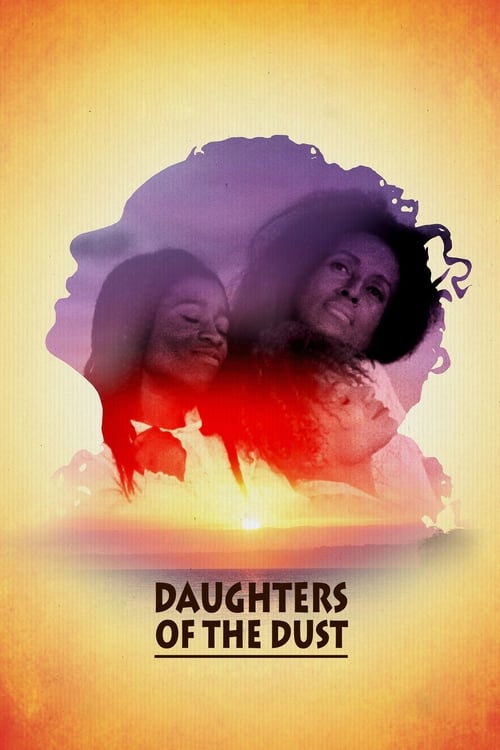
Julie Dash and cinematographer Arthur Jafa developed a visual language they called the pan Africanist aesthetic, using anamorphic widescreen, warm magic hour light and slow tracking shots to compose Gullah island life with the deliberate formal dignity usually reserved for European period painting. Jafa shot largely with natural light on Sea Island locations, letting the actual textures of water, indigo dyed fabric and unpaved earth carry historical weight that production design alone could not fabricate. Dash structures the narrative nonlinearly, with the unborn child narrator moving freely across past and future, a choice that resists Western linear biopic convention in favor of a griot storytelling structure rooted in oral tradition. Costume design drew on years of documented Gullah dress and hairstyling research, treating costume as historical argument rather than backdrop. Editing favors ritual gesture, ceremony and gathering over conflict beats, matching structure to the film's communal subject. Anyone shooting a period ensemble piece should study how Dash and Jafa let light and location research do work dialogue exposition typically carries.
What to watch for
Watch how the camera lingers on hands during food preparation and hair braiding, treating labor itself as the film's primary visual subject.
This product uses the TMDB API but is not endorsed or certified by TMDB.
Affiliate disclosure. Links on this page are affiliate links. As an Amazon Associate, Occupy Cinema earns from qualifying purchases, at no extra cost to you. Read the full policy.