Films › Screenwriting
Eternal Sunshine of the Spotless Mind
Directed by Michel Gondry, 2004
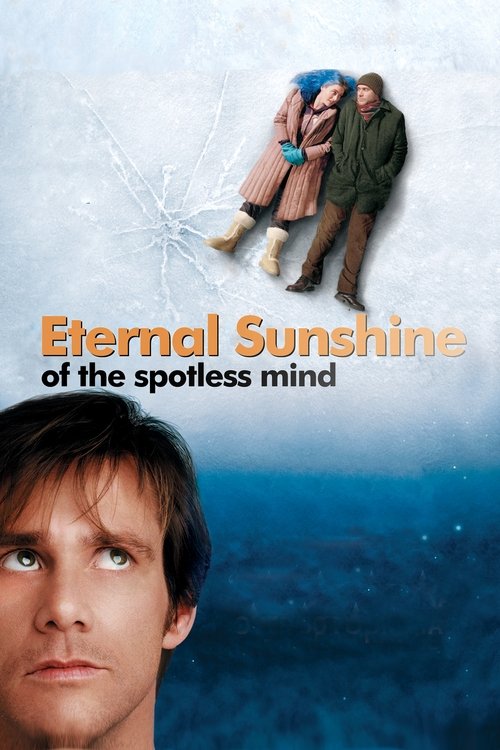
Charlie Kaufman's script runs mostly backwards inside a collapsing memory, which is a structural risk that only works because the emotional line runs forward. The high concept is used to dramatise something ordinary rather than to escape it. In-camera effects keep the memory sequences physical rather than digital. The ending accepts the problem rather than solving it. Cinematographer Ellen Kuras shot much of the memory material handheld and underlit, giving the dissolving world a queasy, tactile instability that no clean digital effect could replicate. Editor Valdis Oskarsdottir had to cut two timelines, the erasure and the relationship, so they read as one continuous emotional descent. Writers should study how the film uses structural gimmickry to earn, rather than replace, genuine feeling. Jim Carrey and Kate Winslet were directed to play the same relationship across multiple emotional registers within a single sequence, demanding tonal control few comedic actors are asked to exercise.
What to watch for
Watch the beach house collapse and how the practical effects serve the script's logic.
This product uses the TMDB API but is not endorsed or certified by TMDB.
Affiliate disclosure. Links on this page are affiliate links. As an Amazon Associate, Occupy Cinema earns from qualifying purchases, at no extra cost to you. Read the full policy.