Films › Screenwriting
Farewell My Concubine
Directed by Chen Kaige, 1993
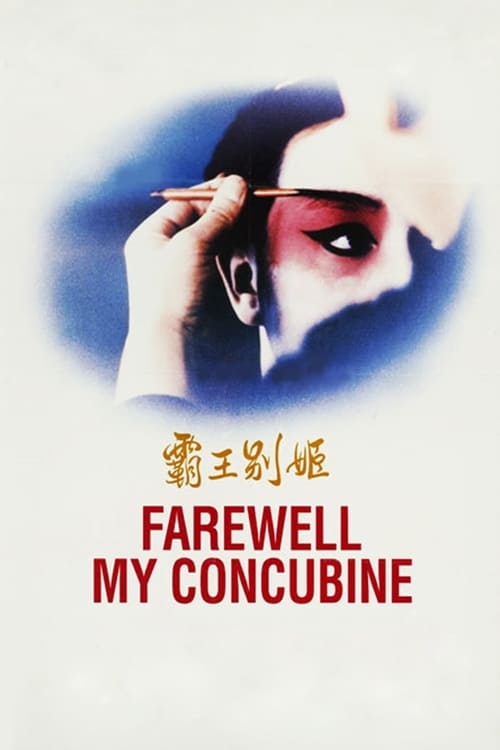
Lilian Lee and Lu Wei adapted Lee's novel into a script spanning five decades, structuring the narrative so shifts in Chinese political history are refracted through the Peking opera stage rather than told through exposition. The screenplay's key device reuses the opera Farewell My Concubine as a recurring mirror, with lines from the stage performance echoing the offstage betrayals of the two leads, so audiences read political and personal history through one repeated text. Lu Wei's structure compresses the Cultural Revolution's chaos into scenes of forced public confession staged like theater, collapsing the line between performance and persecution the whole script has been building toward. Character throughlines are carried by opera roles assigned in childhood, meaning casting choices made in the first act determine emotional entrapment for the rest of the runtime. Dialogue is sparse in the most devastating scenes, trusting blocking and prior scenes to carry meaning instead of stating it. For screenwriters, this is a strong case study in adapting a multi-decade novel without a narrator, using a repeated cultural artifact as structural glue.
What to watch for
Watch how lines from the opera performed in childhood resurface almost verbatim during the Cultural Revolution confession scene.
This product uses the TMDB API but is not endorsed or certified by TMDB.
Affiliate disclosure. Links on this page are affiliate links. As an Amazon Associate, Occupy Cinema earns from qualifying purchases, at no extra cost to you. Read the full policy.