Films › Documentary
Grey Gardens
Directed by Albert and David Maysles, 1975
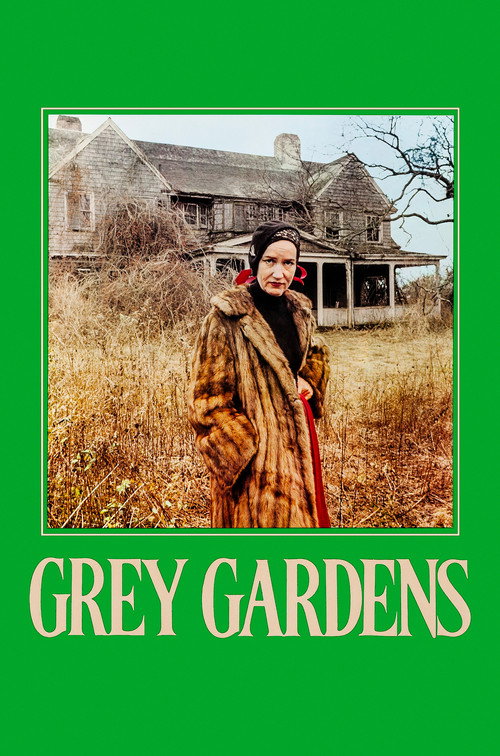
Direct cinema at its most ethically contested, with the filmmakers audible and occasionally visible inside the house. Handheld 16mm and available light keep the crew small enough that the subjects behave naturally. The absence of narration forces the viewer to make their own judgement about what is being witnessed. It remains the standard reference for observational access and its costs. The Maysles brothers shot on lightweight 16mm rigs that let two operators move through the decaying house without lighting setups, preserving the subjects' unguarded behaviour. Editors Ellen Hovde and Muffie Meyer built the film's structure from repetitive domestic rituals rather than incident, which is why the pacing feels circular rather than dramatic. This remains essential viewing for anyone weighing how much a crew's visible presence should be acknowledged inside the finished film. The decision to keep the crew's questions and reactions audible on the soundtrack, rather than removing them in the mix, was controversial at release and remains a useful flashpoint for debates about authorial presence in observational work.
What to watch for
Watch the moments the subjects address the camera directly and what that does to the observational frame.
This product uses the TMDB API but is not endorsed or certified by TMDB.
Affiliate disclosure. Links on this page are affiliate links. As an Amazon Associate, Occupy Cinema earns from qualifying purchases, at no extra cost to you. Read the full policy.