Films › Cinematography
Happy Together
Directed by Wong Kar-wai, 1997
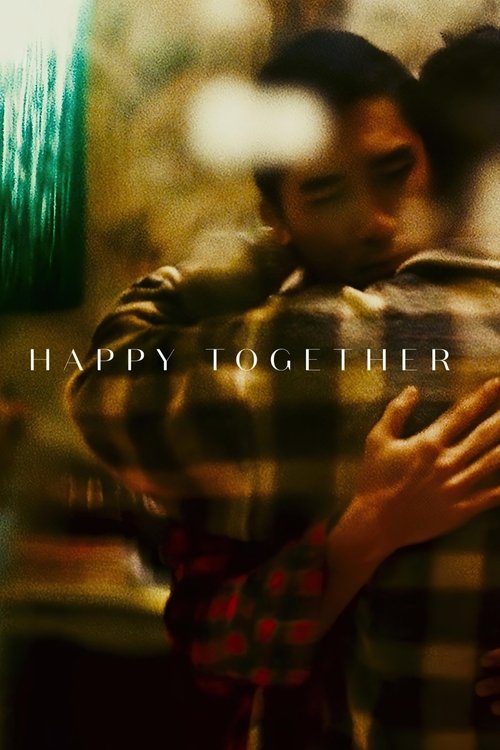
Christopher Doyle shot Buenos Aires in oversaturated color and jagged handheld frames, then dropped to desaturated near-monochrome for the loneliest stretches, a visible emotional register built entirely through stock and processing choices rather than dialogue. Wong Kar-wai famously worked without a finished script, letting Doyle and the actors discover blocking on location, which forced the camera into a reactive, almost documentary posture even inside a highly composed film. The Iguazu Falls lamp becomes a recurring visual anchor precisely because everything around it is unstable. Doyle also pushed step printing and shutter manipulation to stretch motion during the tango sequence, turning a simple two person dance into a study of rhythm and distortion. For any filmmaker shooting on the fly with a small crew and no locked pages, this is the reference for how a strong visual system can hold a film together when the script cannot. Study how color temperature alone signals shifts in the relationship's temperature, and how kitchen sink locations get transformed through framing and lens choice into expressionist space.
What to watch for
Notice how the film switches to black and white and back to color at emotionally precise, unannounced moments rather than at scene breaks.
This product uses the TMDB API but is not endorsed or certified by TMDB.
Affiliate disclosure. Links on this page are affiliate links. As an Amazon Associate, Occupy Cinema earns from qualifying purchases, at no extra cost to you. Read the full policy.