Films › Cinematography
In the Mood for Love
Directed by Wong Kar-wai, 2000
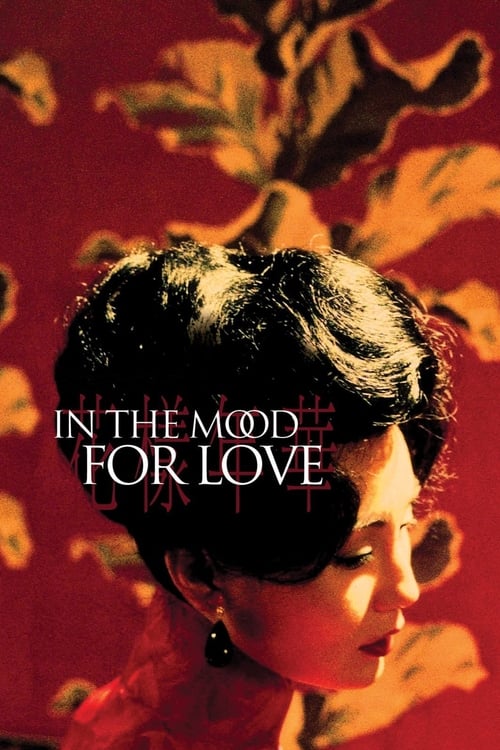
Christopher Doyle and Mark Lee Ping-bing shoot through doorways, mirrors, curtains and corridors, so the audience is nearly always looking at the characters from a position of obstruction. The framing enforces the restraint the story is about, and it does so with blocking rather than dialogue. Slow-motion inserts scored to the same recurring waltz turn ordinary corridor traffic into repeated ritual. It is a good study in how a limited number of locations can be made inexhaustible by lens choice and camera position. Editor William Chang, who also designed production and costumes, shaped the film's rhythm around repetition and withheld information, cutting away from moments a more conventional editor would hold. The camera operators favored long lenses from adjoining rooms, which compresses space and increases the sense of eavesdropping built into the visual grammar. Costume changes for Maggie Cheung's cheongsams track emotional state rather than simple continuity, giving the wardrobe department a narrative function usually reserved for dialogue. This is essential viewing for any filmmaker trying to build tension through architecture instead of incident.
What to watch for
Watch how often a foreground element crosses or blocks the frame, and what that costs the characters emotionally.
This product uses the TMDB API but is not endorsed or certified by TMDB.
Affiliate disclosure. Links on this page are affiliate links. As an Amazon Associate, Occupy Cinema earns from qualifying purchases, at no extra cost to you. Read the full policy.