Films › Editing
Jeanne Dielman, 23, quai du Commerce, 1080 Bruxelles
Directed by Chantal Akerman, 1975
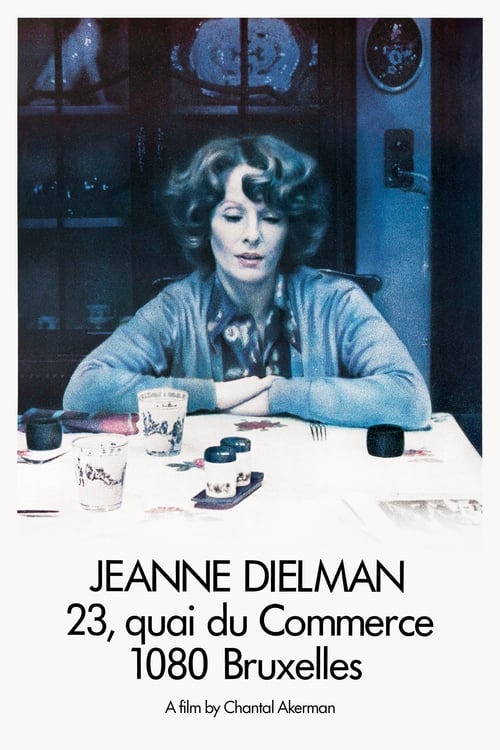
Chantal Akerman and editor Patricia Canino construct the film's meaning almost entirely through duration, holding static wide shots of domestic labor, peeling potatoes, making beds, breading veal, for their full real time length rather than compressing them into montage. This editing discipline is the film's argument: by refusing to cut away from unpaid labor the way narrative cinema typically does, Akerman forces the audience to register housework as structured, repetitive time rather than incidental background. Cinematographer Babette Mangolte locks the camera at a consistent eye level height that treats Jeanne with neither pity nor judgment, a neutrality Akerman insisted on to avoid melodramatic framing of a woman's routine. Rare variations, a dropped spoon, an unbuttoned dress, register as seismic because editing has trained viewers to notice minute deviation. Akerman shot largely in sequence with minimal coverage, so Canino had little choice but to preserve real duration, turning constraint into the film's defining formal principle. Anyone editing a character study should note how withholding conventional cutting generates more suspense than montage.
What to watch for
Track the exact number of steps and repeated actions in each domestic task, then notice precisely where a single step goes missing or changes order.
This product uses the TMDB API but is not endorsed or certified by TMDB.
Affiliate disclosure. Links on this page are affiliate links. As an Amazon Associate, Occupy Cinema earns from qualifying purchases, at no extra cost to you. Read the full policy.