Films › Directing
Late Spring
Directed by Yasujiro Ozu, 1949
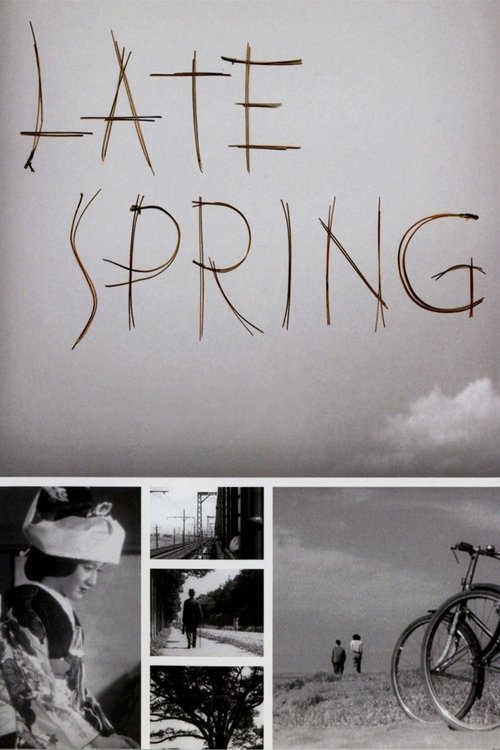
Yasujiro Ozu and cinematographer Yuharu Atsuta locked the camera roughly at tatami height and refused pans, tilts or dissolves, building the film almost entirely from static compositions cut on axis. Ozu also broke the 180 degree rule habitually, cutting between eyeline angles classical continuity would forbid, because he trusted graphic match and rhythm over spatial logic. Editor Yoshiyasu Hamamura assembled these shots with pillow shots of empty rooms, trains and laundry lines inserted between scenes, giving the audience a breath before emotional beats land. The famous vase shot in the inn holds on stillness while Noriko and her father sit in silence nearby, letting inaction carry grief neither character will name. For a working filmmaker this is a masterclass in restraint as structure: every rule broken is broken on purpose and repeated until it becomes its own grammar. Study how blocking within the frame, not camera movement, generates tension, and how a fixed lens height can flatten hierarchy between characters.
What to watch for
Watch how the empty room shots before the wedding scene control pacing without a single line of dialogue.
This product uses the TMDB API but is not endorsed or certified by TMDB.
Affiliate disclosure. Links on this page are affiliate links. As an Amazon Associate, Occupy Cinema earns from qualifying purchases, at no extra cost to you. Read the full policy.