Films › Production design
Metropolis
Directed by Fritz Lang, 1927
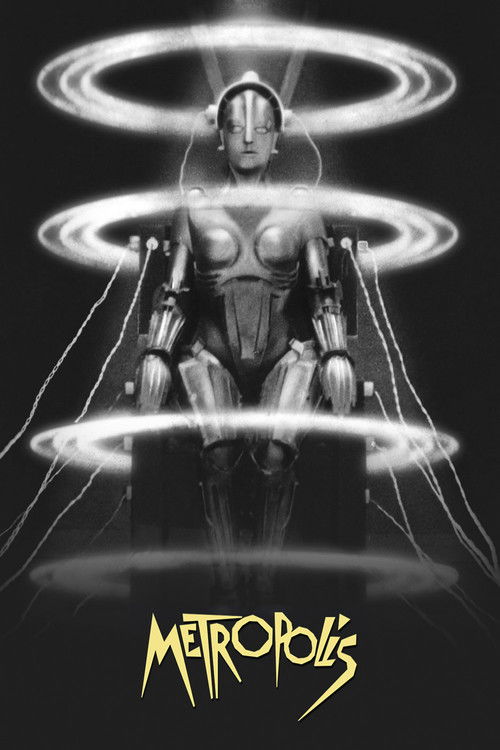
Otto Hunte, Erich Kettelhut and Karl Vollbrecht built a vertical city out of miniatures, forced perspective and the Schufftan mirror process. The Schufftan shot combines live actors with miniature sets in camera using a scraped mirror, and it is still worth understanding. Machine rooms and cathedral spaces are designed as opposing ideologies made of concrete and steel. Nearly every science fiction city since is a reply to this one. The Schufftan process, invented by cinematographer Eugen Schufftan specifically for this production, allowed actors to appear to walk through architecture that existed only as a tabletop model reflected in a partially silvered mirror, an in-camera compositing technique that predates optical printing by decades and remains a reference point for anyone doing practical miniature work today. The contrast between the workers' cramped, repetitive machine spaces and the vertical, ornamented towers above them is not incidental set dressing but the film's entire political argument expressed architecturally, a lesson in how production design can carry theme without a line of dialogue.
What to watch for
Watch the machine hall and the city exteriors for the mirror composites and the scale trickery.
This product uses the TMDB API but is not endorsed or certified by TMDB.
Affiliate disclosure. Links on this page are affiliate links. As an Amazon Associate, Occupy Cinema earns from qualifying purchases, at no extra cost to you. Read the full policy.