Films › Cinematography
Napoleon
Directed by Abel Gance, 1927
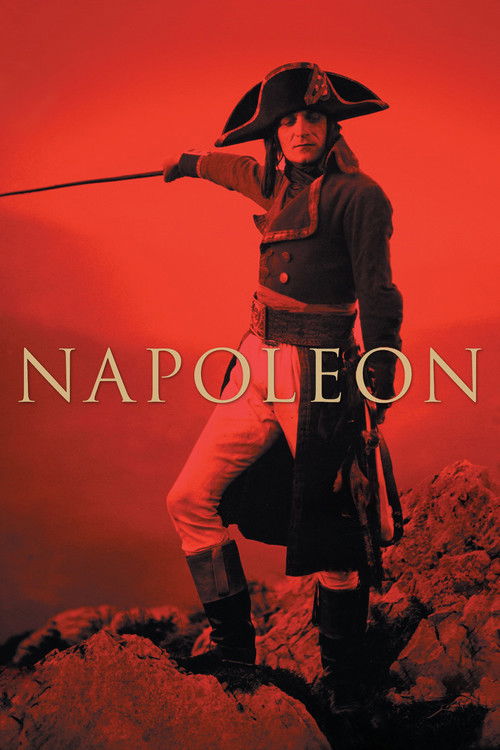
Abel Gance invented Polyvision for Napoleon's climax, mounting three synchronized cameras to project across three adjoining screens, sometimes as one panoramic image and sometimes as three distinct simultaneous actions, a widescreen and multi-image technique decades ahead of the industry's actual adoption of widescreen. Gance also strapped cameras to horses, dropped them from cables, and mounted them on a specially built pendulum rig to simulate a snowball fight and a stormy assembly hall from swinging, disorienting angles, treating the camera itself as a physical performer rather than a fixed observer. Editing throughout uses extremely rapid rhythmic montage, sometimes intercutting hundreds of shots per minute, to build revolutionary fervor purely through cutting speed rather than dialogue or intertitles. Cinematographers and editors working on large scale sequences should study how Gance treated technical invention, multi-camera rigs, triptych projection, as inseparable from the emotional argument of the scene rather than as spectacle for its own sake.
What to watch for
Watch for the triptych sequences where the three screens split into separate simultaneous actions rather than one wide image.
This product uses the TMDB API but is not endorsed or certified by TMDB.
Affiliate disclosure. Links on this page are affiliate links. As an Amazon Associate, Occupy Cinema earns from qualifying purchases, at no extra cost to you. Read the full policy.