Films › Directing
Pandora's Box
Directed by G.W. Pabst, 1929
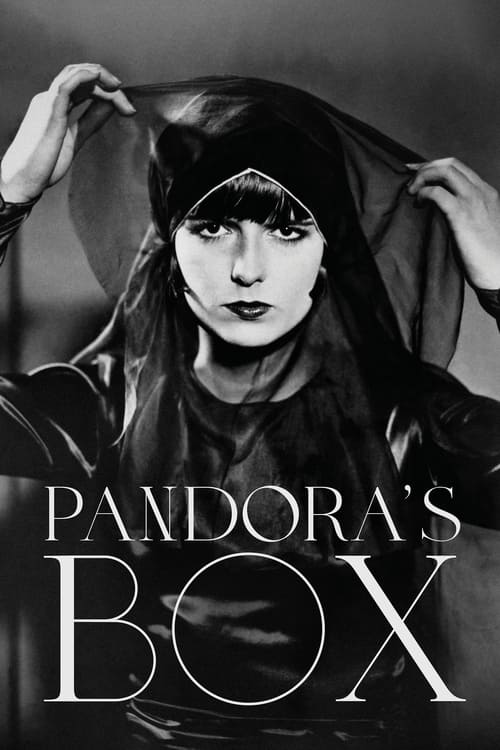
G.W. Pabst directed Louise Brooks with almost no visible direction at all, favoring long unbroken takes and minimal editorial intrusion so Brooks's naturalistic, unmannered performance could carry scenes without the exaggerated gesture typical of silent acting. Pabst shot much of the film in continuity and reportedly encouraged Brooks to underplay against the melodramatic material, trusting close ups held slightly longer than convention to let ambiguity register on her face rather than resolving it through cutting. His camera stays mobile and observational rather than expressionistic, tracking through Weimar interiors with a documentary curiosity that was unusual against the stylized German cinema surrounding it. Pabst also cast largely against typical vamp iconography, letting Brooks's stillness read as both innocent and destructive simultaneously. Directors coaching naturalistic performance should study how withholding directorial emphasis, fewer cuts, longer holds, less overt blocking, can make an actor's ambiguity the actual engine of a scene.
What to watch for
Watch how long Pabst holds on Brooks's face in ambiguous moments instead of cutting to clarify her intent.
This product uses the TMDB API but is not endorsed or certified by TMDB.
Affiliate disclosure. Links on this page are affiliate links. As an Amazon Associate, Occupy Cinema earns from qualifying purchases, at no extra cost to you. Read the full policy.