Films › Editing
Perfect Blue
Directed by Satoshi Kon, 1998
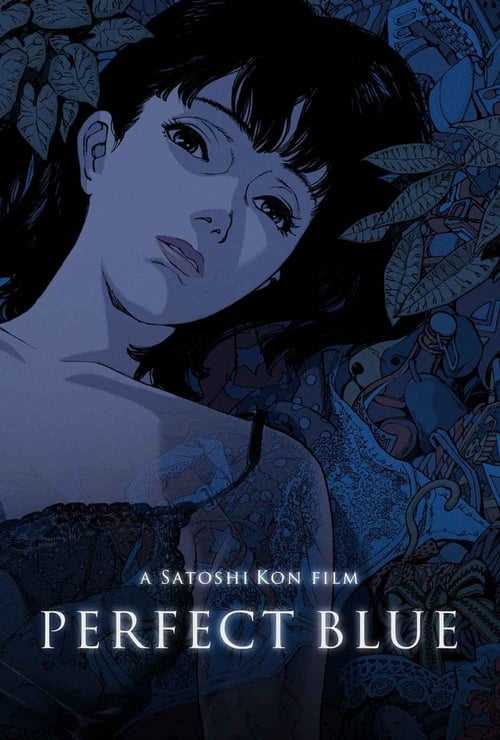
Satoshi Kon built Perfect Blue entirely around match cuts that deceive rather than clarify, training editor Harutoshi Kaneyama to bridge scenes on gesture and framing so the audience cannot immediately tell whether they are watching reality, television, or delusion. A shower scream cuts directly into a scream on a soundstage, a diary entry bleeds into an actual event, and Kon refuses establishing shots that would restore orientation, because disorientation is the film's actual subject. This is animation used specifically for what only editing discipline in animation allows: perfectly controlled continuity of movement across incompatible spaces, since nothing is accidentally captured by a camera. Kon storyboarded these transitions himself with obsessive precision, reportedly cutting on nearly identical character poses frame for frame. For any editor working on psychological thrillers or unreliable narrators, this is the primary text: the cut itself becomes the unreliable narrator, not just the dialogue or plot. Study how rarely Kon uses a dissolve, favoring hard cuts that feel continuous until they are revealed as false.
What to watch for
Track the match cuts between the idol stage performances and the private apartment scenes for identical character poses across impossible spaces.
This product uses the TMDB API but is not endorsed or certified by TMDB.
Affiliate disclosure. Links on this page are affiliate links. As an Amazon Associate, Occupy Cinema earns from qualifying purchases, at no extra cost to you. Read the full policy.