Films › Sound and score
Phantom Thread
Directed by Paul Thomas Anderson, 2017
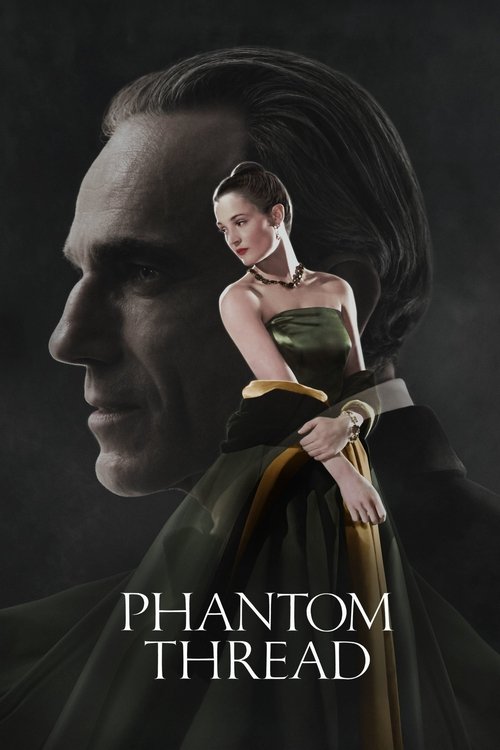
Jonny Greenwood wrote a score built on romantic-era piano and string writing that functions less like film music and more like a character in direct competition with dialogue for the audience's attention, and Paul Thomas Anderson mixed it accordingly, letting music swell over speech rather than ducking beneath it in the conventional way. This inversion is deliberate, since the film is about control and obsession within a domestic partnership, and the score's refusal to defer to dialogue mirrors that power struggle formally. Greenwood recorded with a chamber ensemble rather than a full studio orchestra, which keeps the sound intimate and slightly uneven, avoiding the polish that would make the music feel like commentary rather than presence. Anderson shot on 16mm without a credited cinematographer, operating much of the camera himself, and the softer, grainier image gives the score room to read as textured rather than glossy. For a filmmaker studying sound and score integration, the useful takeaway is how music can be scripted into scenes during pre-production planning rather than added afterward, with certain sequences built around themes Greenwood had already composed.
What to watch for
Notice the moments where the score refuses to lower in volume beneath dialogue, and consider what that refusal communicates about the characters speaking.
This product uses the TMDB API but is not endorsed or certified by TMDB.
Affiliate disclosure. Links on this page are affiliate links. As an Amazon Associate, Occupy Cinema earns from qualifying purchases, at no extra cost to you. Read the full policy.