Films › Screenwriting
Pulp Fiction
Directed by Quentin Tarantino, 1994
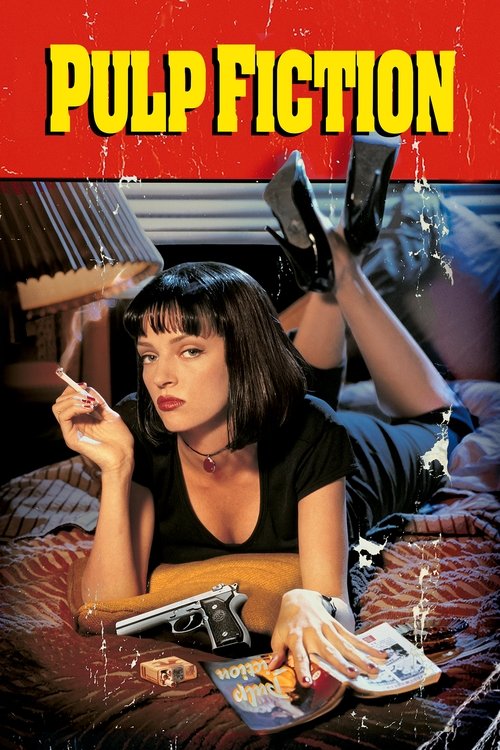
The nonlinear structure lets a character die in the middle and return, which changes the emotional weight of the ending. Digressive dialogue establishes character and stalls tension deliberately before violence. Each segment is a self-contained short with its own arc, and they interlock rather than merely intersect. It rewrote what mainstream American dialogue was allowed to sound like. Editor Sally Menke had to track emotional continuity across a script assembled out of chronological order, and her cutting choices make the fractured timeline legible without title cards. Tarantino cast against type deliberately, using John Travolta's career history as subtext the audience brings into the theater. A working writer should study how genre dialogue can carry philosophical digression without slowing momentum. The soundtrack's needle-drop philosophy, licensed track by track rather than scored, gives each segment its own period identity while the visual style stays consistent throughout.
What to watch for
Watch the diner bookend and work out why the film ends where it does chronologically.
This product uses the TMDB API but is not endorsed or certified by TMDB.
Affiliate disclosure. Links on this page are affiliate links. As an Amazon Associate, Occupy Cinema earns from qualifying purchases, at no extra cost to you. Read the full policy.