Films › Cinematography
Raging Bull
Directed by Martin Scorsese, 1980
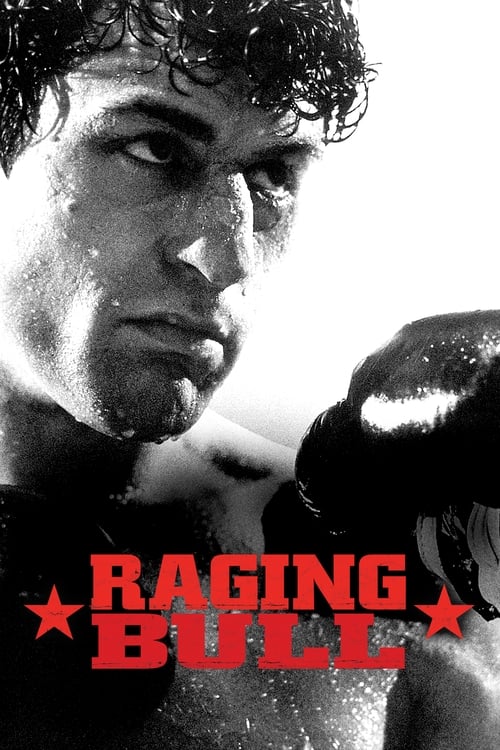
Michael Chapman shot in black and white to sidestep the problem of blood on colour stock and to place the film in the period's own photography. Ring sequences change lens, frame rate and ring size shot by shot to match psychological state rather than spatial continuity. Smoke, flare and hard toplight turn the ring into an arena that expands and contracts. Thelma Schoonmaker's cutting and the subjective sound design are inseparable from the camerawork. Production designer Gene Rudolf and the boxing choreography team redesigned the ring's rope height and canvas size between bouts specifically to serve Chapman's lens choices, an unusual level of coordination between production design and cinematography. Sound designer Frank Warner built a subjective mix of amplified punches, camera clicks and animal noise that plays as loud as the visual distortion looks. Thelma Schoonmaker cut fight sequences from thousands of feet of coverage shot at multiple frame rates, assembling psychological time rather than real time. Anyone choreographing a stylized action sequence should study how sound, editing and camera speed were treated as a single instrument here.
What to watch for
Watch how the ring dimensions visibly change between fights to serve the character rather than the geography.
This product uses the TMDB API but is not endorsed or certified by TMDB.
Affiliate disclosure. Links on this page are affiliate links. As an Amazon Associate, Occupy Cinema earns from qualifying purchases, at no extra cost to you. Read the full policy.