Films › Directing
Sansho the Bailiff
Directed by Kenji Mizoguchi, 1954
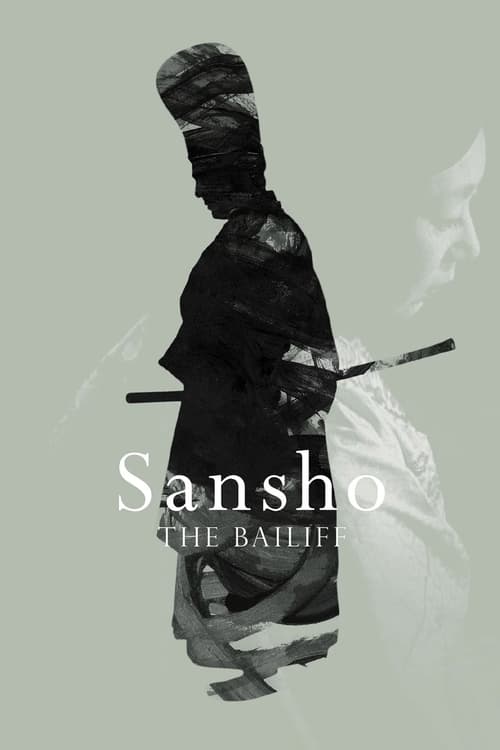
Kenji Mizoguchi structured the film's suffering through duration rather than incident, letting scenes of separation and servitude run past the point a conventional cut would arrive, so the audience absorbs exhaustion in real time rather than being told about it. Working again with cinematographer Kazuo Miyagawa, he staged tableaux in extreme long shot, placing enslaved figures as small marks against vast unpeopled landscapes, a choice that argues visually for their powerlessness before dialogue makes the case. Mizoguchi withheld close ups almost entirely during the cruelest sequences, denying the emotional release a reaction shot usually provides, which intensifies the horror by making it feel institutional rather than personal. The branding and the mother's blinded wandering are shot from a respectful distance that refuses spectacle, worth studying against contemporary tendencies to zoom into suffering. For a working filmmaker, this is a lesson in when to withhold coverage: sustained wide shots and patient blocking carry more weight than any edit built for emphasis, and restraint itself becomes a moral statement about how violence should be filmed.
What to watch for
Watch how rarely the camera moves to a close up during scenes of cruelty, and notice what that absence forces you to feel.
This product uses the TMDB API but is not endorsed or certified by TMDB.
Affiliate disclosure. Links on this page are affiliate links. As an Amazon Associate, Occupy Cinema earns from qualifying purchases, at no extra cost to you. Read the full policy.