Films › Cinematography
Sunrise: A Song of Two Humans
Directed by F. W. Murnau, 1927
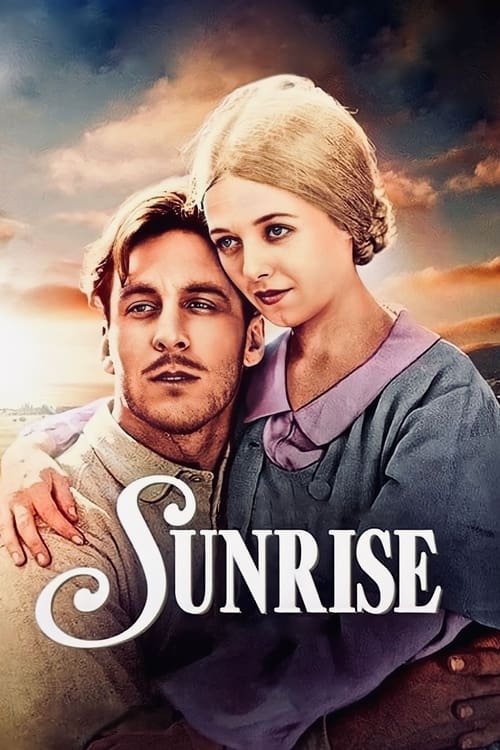
Charles Rosher and Karl Struss built an entire moving camera language for Murnau before dolly tracks were standard equipment, rigging cameras to overhead cables and bicycle-mounted platforms to glide through a full-scale constructed city and marsh built on the Fox backlot. The famous tram ride uses forced perspective sets with actors and props shrinking in calibrated increments so the camera can travel through implied distance in a single unbroken take, no cuts, no optical tricks. Rosher also pioneered fog and superimposition work to stage the wife's ghostly temptation scene in camera rather than in a lab. For a working cinematographer the lesson is that mood and psychology can be built entirely through camera movement and set construction rather than coverage, and that in-camera effects, done with enough planning, still read as more convincing than anything added afterward. Rosher had also spent years experimenting with soft focus diffusion filters on earlier Mary Pickford pictures, and he brought that same delicate control of light falloff to Sunrise's night exteriors.
What to watch for
Watch how the camera detaches from a static tripod and drifts through the marsh scene as if it were a character stalking the husband.
This product uses the TMDB API but is not endorsed or certified by TMDB.
Affiliate disclosure. Links on this page are affiliate links. As an Amazon Associate, Occupy Cinema earns from qualifying purchases, at no extra cost to you. Read the full policy.