Films › Cinematography
The Conformist
Directed by Bernardo Bertolucci, 1971
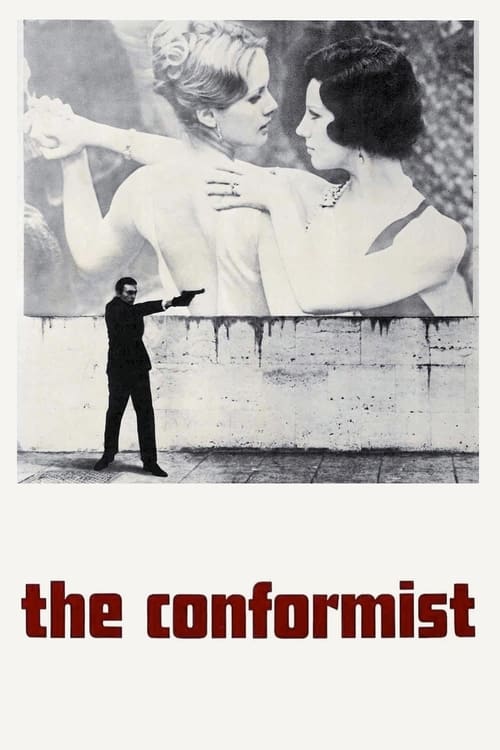
Storaro's work here is the reference point that a generation of American cinematographers openly copied, from the slatted shadows to the wide-angle architectural compositions. Fascist-era interiors are shot with enormous negative space so the characters are dwarfed by ideology made concrete. Camera movement is fluid and often unmotivated by character, which produces unease rather than reassurance. Colour is used symbolically and consistently, not as decoration. Production designer Ferdinando Scarfiotti collaborated closely with Storaro to ensure sets were built with negative space and geometry already baked into the architecture, so lighting decisions followed the design rather than compensating for it. Editor Franco Arcalli cut on movement and rhyme rather than continuity logic, allowing dream sequences to bleed into memory without conventional transitions. The film's influence runs directly through Coppola and Storaro's later collaboration, making it essential comparative viewing alongside Apocalypse Now. Anyone studying architectural staging should note how rarely the camera settles on a neutral composition.
What to watch for
Watch the use of blue window light against warm interiors and how the widest lenses appear at the moments of greatest moral compromise.
This product uses the TMDB API but is not endorsed or certified by TMDB.
Affiliate disclosure. Links on this page are affiliate links. As an Amazon Associate, Occupy Cinema earns from qualifying purchases, at no extra cost to you. Read the full policy.