Films › Genre craft
The Exorcist
Directed by William Friedkin, 1973
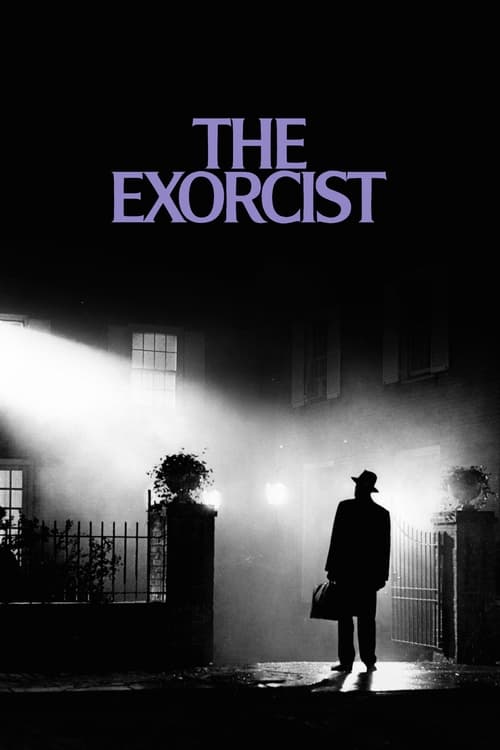
Friedkin refrigerated the bedroom set so breath was visible in camera, and used practical rigs for every physical effect. Subliminal image inserts and heavily processed sound do work that the visuals alone could not. The first hour is a slow medical procedural, which is what makes the horror land. Sound design credited to Ken Nordine and others is arguably the film's true special effect. Owen Roizman's cinematography keeps the Georgetown house naturalistic and warmly lit early on, so the eventual disruption of that normalcy carries real shock. Friedkin reportedly used unconventional methods on set, including firing guns to provoke authentic actor reactions, a controversial approach still debated in craft circles. Studying the film means separating its genuinely disciplined technical choices from its more reckless production myths. The sound mix layers processed animal noises beneath Mercedes McCambridge's vocal performance for the demon, blending human and inhuman registers so neither reads as artificial.
What to watch for
Watch the medical examination sequences and note how documentary technique sets up the supernatural.
This product uses the TMDB API but is not endorsed or certified by TMDB.
Affiliate disclosure. Links on this page are affiliate links. As an Amazon Associate, Occupy Cinema earns from qualifying purchases, at no extra cost to you. Read the full policy.