Films › Directing
The General
Directed by Clyde Bruckman, Buster Keaton, 1926
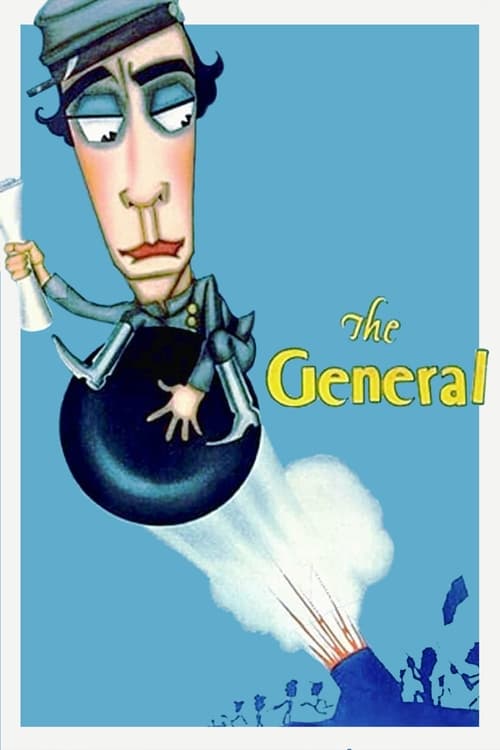
Keaton directed, edited and performed his own stunts on a moving locomotive with zero rear projection or process shots, staging the collapse of the Rock River bridge with a real train dropped into a real ravine, the single most expensive shot of the silent era and captured in one continuous wide take so audiences could verify nothing was faked. Keaton favored the wide static frame over cutting for effect because a gag only works comedically if the audience can see the entire mechanism of danger and timing in unbroken space. His gags are built like engineering problems, with setups planted early and paid off two reels later through precise physical staging rather than editing tricks. For directors working in physical comedy or action, the discipline here is resisting the urge to cut in for safety or emphasis, since the wide shot is what makes the risk and the joke legible at once. Keaton also insisted on shooting on genuine period narrow gauge track in Oregon rather than a backlot, since real rail geography dictated the timing of every chase gag more reliably than any painted set could.
What to watch for
Watch how often Keaton holds a wide static shot through an entire stunt instead of cutting closer for impact.
This product uses the TMDB API but is not endorsed or certified by TMDB.
Affiliate disclosure. Links on this page are affiliate links. As an Amazon Associate, Occupy Cinema earns from qualifying purchases, at no extra cost to you. Read the full policy.