Films › Cinematography
The Milk of Sorrow
Directed by Claudia Llosa, 2009
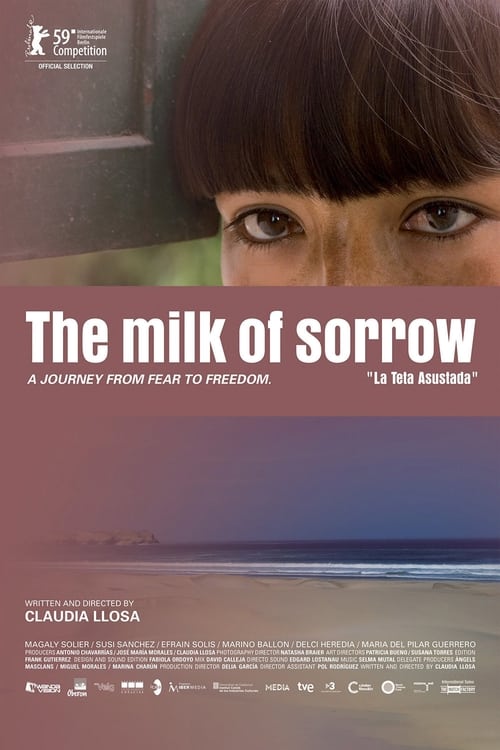
Claudia Llosa and cinematographer Natasha Braier build the film's visual argument around color separation, staging the protagonist Fausta's interior world in muted earth tones against the saturated pastels of the wealthy household where she works, making class difference legible before any dialogue states it. Braier favors static, symmetrical compositions with the camera positioned at a deliberate remove from Fausta's body, formally reinforcing the character's own defensive withdrawal after inherited trauma. Llosa integrates Andean folk song as literal plot device rather than ornamental texture, since Fausta's ability to sing becomes both currency and voice, tying sound design directly to character agency. The potato Fausta keeps as protection recurs as a physical prop rather than a symbolic aside, keeping the magical realist premise tethered to bodily specificity. Editing paces revelations slowly, letting silence and unresolved tension sit rather than resolving trauma through explanatory dialogue. Anyone directing a film about generational trauma should study how Llosa translates a metaphor into consistent, literal staging choices rather than abstract visual poetry.
What to watch for
Watch how physical distance between Fausta and other characters in frame narrows only in scenes tied directly to her singing.
This product uses the TMDB API but is not endorsed or certified by TMDB.
Affiliate disclosure. Links on this page are affiliate links. As an Amazon Associate, Occupy Cinema earns from qualifying purchases, at no extra cost to you. Read the full policy.