Films › Production design
The Tale of the Princess Kaguya
Directed by Isao Takahata, 2013
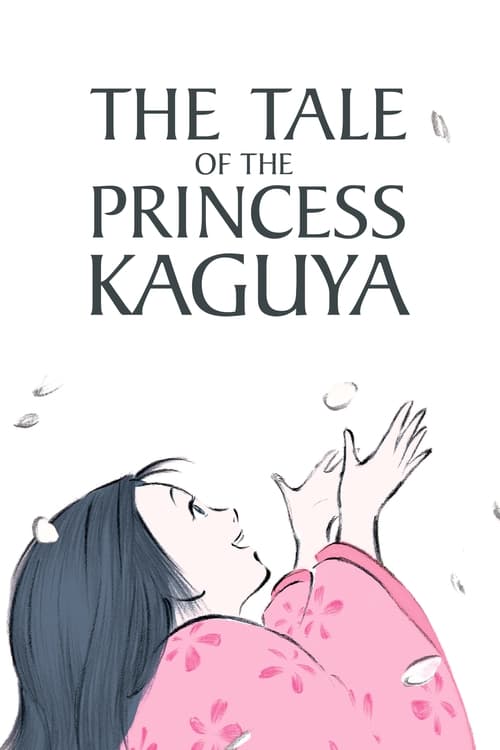
Isao Takahata abandoned finished cel line work entirely for this production, directing animators to leave visible pencil strokes, unfinished edges and watercolor bleed on screen, a deliberate rejection of the polish that defines most feature animation. This was executed by animation director Osamu Tanabe and character designer Kenichi Konishi, who built movement that intensifies in linework density during emotional peaks, meaning the drawing itself becomes agitated rather than the camera or the music. Takahata's decision forces every department, backgrounds, character animation, coloring, to communicate feeling through mark-making rather than compositing tricks, an approach that took the studio nearly eight years because it could not be systematized. The famous running sequence, where Kaguya flees the palace as her own portrait dissolves into raw charcoal gesture, is the clearest thesis: form degrades exactly when the character's control collapses. Animators should study how Takahata linked stylistic intensity directly to emotional state rather than treating style as a fixed identity applied uniformly.
What to watch for
Watch the palace flight sequence for how the linework itself becomes raw and unfinished as Kaguya's emotional control breaks.
This product uses the TMDB API but is not endorsed or certified by TMDB.
Affiliate disclosure. Links on this page are affiliate links. As an Amazon Associate, Occupy Cinema earns from qualifying purchases, at no extra cost to you. Read the full policy.