Films › Cinematography
The Third Man
Directed by Carol Reed, 1949
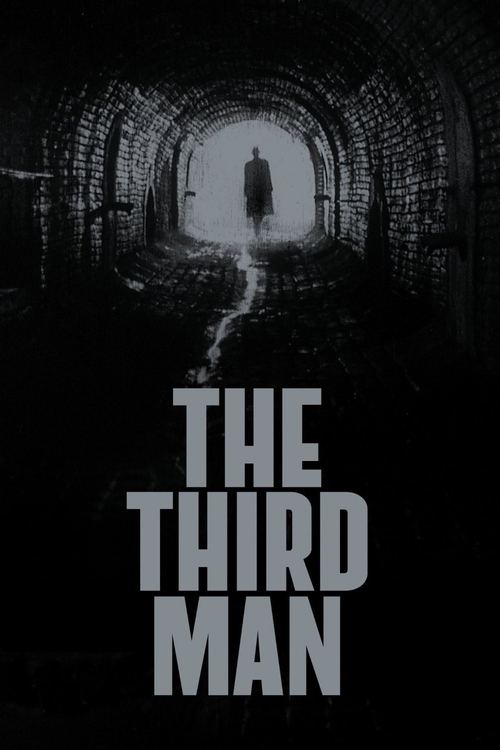
Robert Krasker photographed postwar Vienna in wet cobblestone reflections and canted Dutch angles that tilt the whole moral world. Night exteriors are lit with hard low sources that throw enormous distorted shadows on walls, using the city as a projection surface. The sewer chase is a pure exercise in geometry, light and running water. Anton Karas plays the entire score on a single zither, which should be studied alongside the images. Production designer Vincent Korda oversaw construction of bombed Vienna street sets that matched the real ruins Krasker shot on location, so day and studio work would cut together without a visible seam. Editor Oswald Hafenrichter cut the sewer chase to the rhythm of Karas's zither score rather than to strict spatial logic, letting music dictate shot length. The canted angles were reportedly a point of dispute between Reed and producer David O. Selznick, yet the choice became the film's most studied signature. Cinematographers working with practical night exteriors should note how few lighting units were needed once shadow was treated as the primary compositional element.
What to watch for
Watch the doorway reveal and how a single practical lamp does the work of an entire lighting package.
This product uses the TMDB API but is not endorsed or certified by TMDB.
Affiliate disclosure. Links on this page are affiliate links. As an Amazon Associate, Occupy Cinema earns from qualifying purchases, at no extra cost to you. Read the full policy.