Occupy Cinema › Exhibition
How a 43-Seat Micro-Cinema in an Abandoned Japanese Kindergarten Became a Global Destination
Built by hand over two years with vintage Detroit audio gear, CineYama in Yamanashi shows how artisanal micro-theaters are reinventing art-house exhibition.
By Occupy Cinema ·
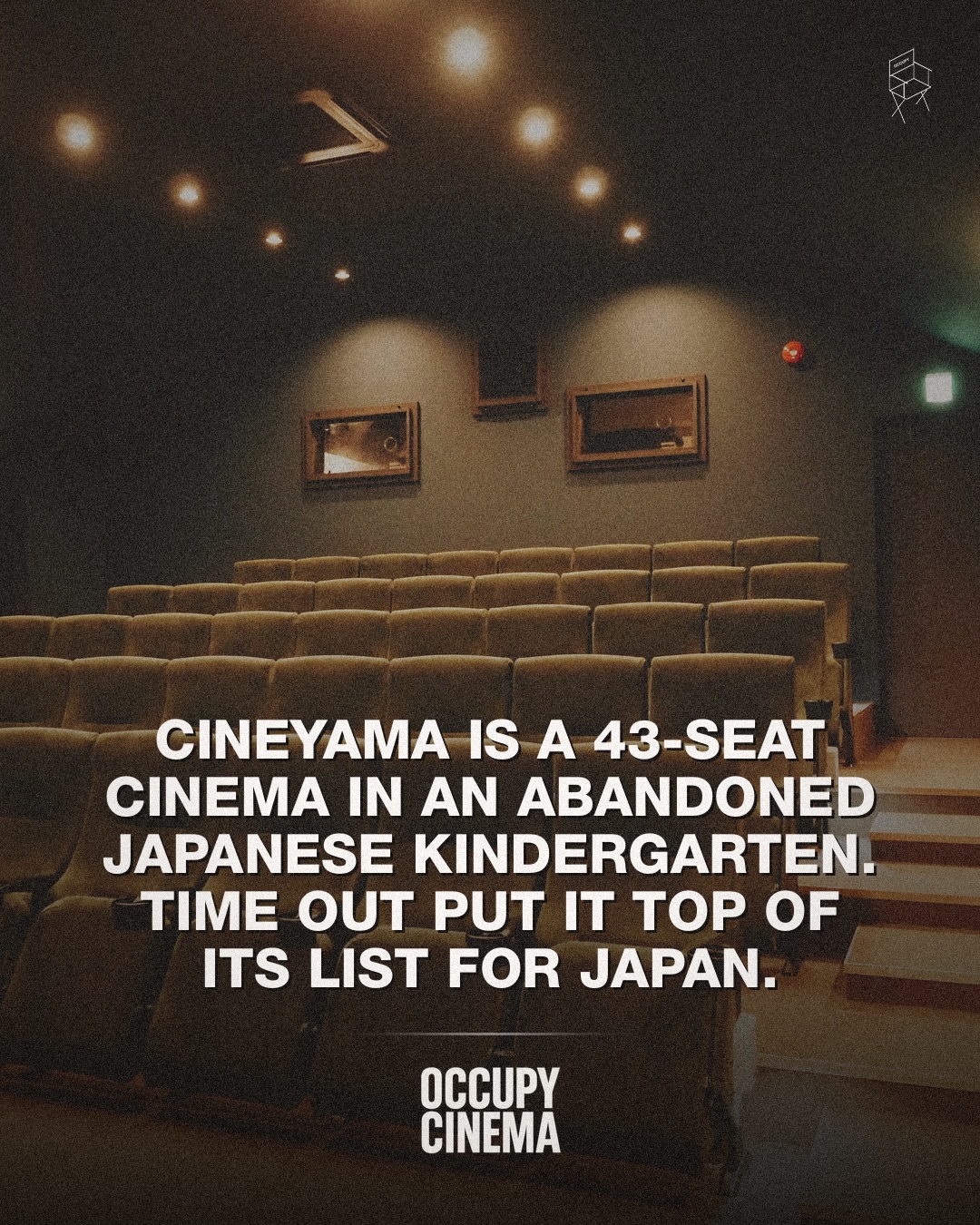
Forty-three seats. One hour west of Tokyo on the Chuo Line. Zero corporate studio backing. CineYama, an independent micro-cinema constructed inside a long-abandoned kindergarten in Uenohara, Yamanashi, has secured the top spot on Time Out Tokyo's list of essential summer destinations in Japan. The recognition highlights a decisive shift in global film culture. While traditional commercial multiplexes continue to navigate fluctuating attendance, hyper-curated single-screen destinations are carving out a distinct, highly resilient model for cinephiles.
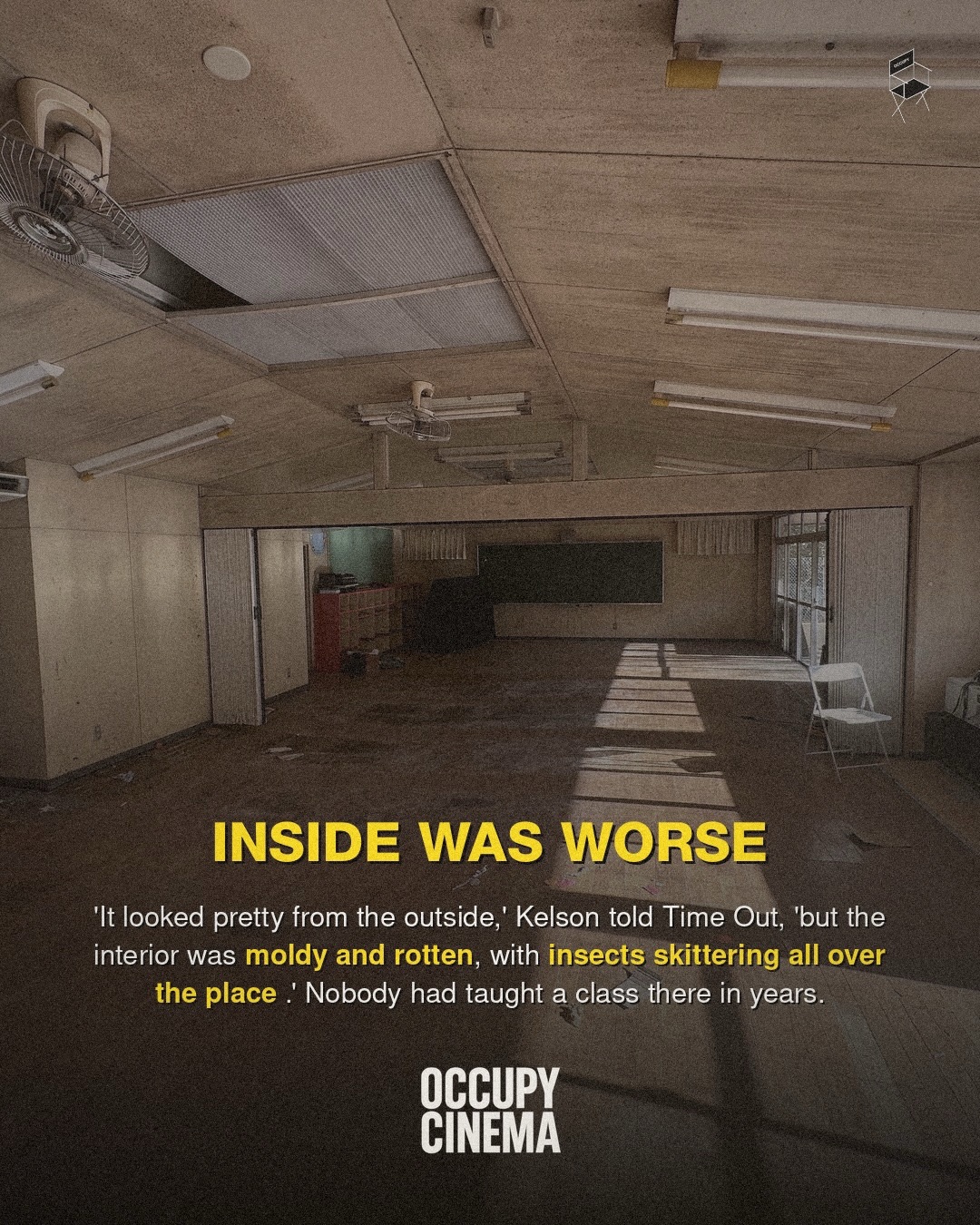
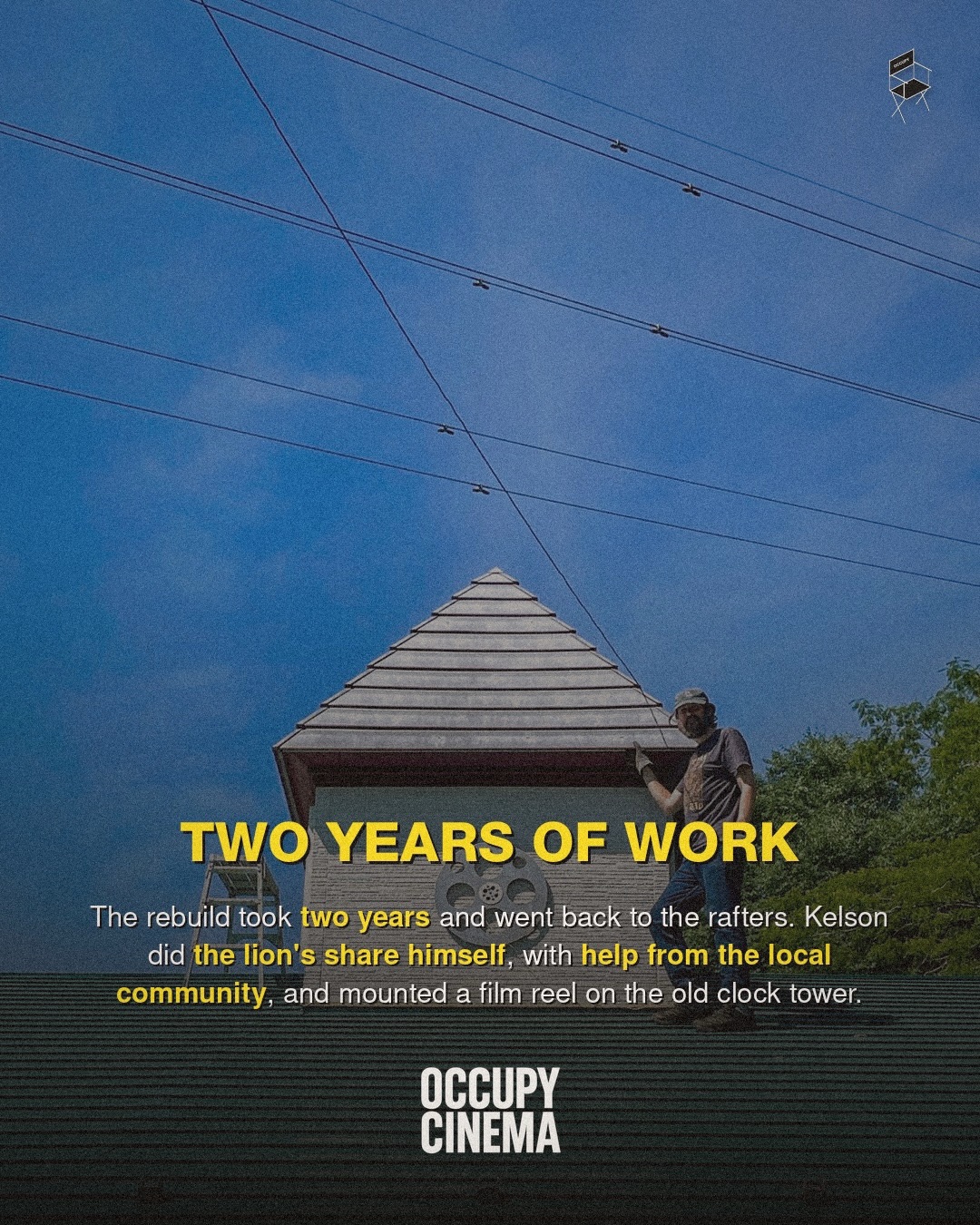
Founder Matthew Kelson discovered the former Sawamatsu Kindergarten in a severe state of disrepair. The abandoned facility was filled with mold, moisture, and insects after years of sitting vacant in the forested foothills outside Tokyo. Rather than demolishing the structure, Kelson spent two years restoring the property largely on his own. The physical transformation required structural overhaul, custom acoustic dampening, and complex international freight logistics to turn a derelict educational site into a modern projection sanctuary.
Detroit Steel Meets Yamanashi Timber
The core sonic identity of CineYama relies on vintage cinema hardware imported directly from Michigan. Kelson sourced original Altec Voice of the Theatre speaker systems from Detroit, shipping the massive horn-loaded enclosures across the Pacific to anchor the venue soundscape. Introduced in the mid twentieth century by Lansing Manufacturing, Altec Voice of the Theatre systems remain iconic among audio engineers and film purists for their exceptional mid-range clarity and physical warmth. Coverage of boutique exhibition trends by IndieWire has long noted that unique audio-visual setups are becoming critical differentiators for independent operators facing stiff competition from high-end home theater setups.
This artisanal approach arrives at a pivotal moment for Japanese cinema culture. Japan's storied network of independent art-house venues, known locally as mini-theaters, has faced persistent operational pressures in recent years. Soaring real estate costs in core Tokyo districts like Shibuya and Shinjuku have forced historic single-screen operators into difficult financial positions. According to industrial reporting from The Hollywood Reporter, independent exhibitors across Asian markets have had to radically rethink space utilization to maintain long-term viability. CineYama offers a compelling alternative template: eliminate exorbitant downtown rent by establishing venues along suburban transit corridors.
The Economics of the Regional Micro-Theater
The strategic move to Uenohara taps into an evolving viewing habit among dedicated moviegoers. Audiences increasingly treat film attendance as an intentional event rather than a spontaneous weeknight activity. Prominent Japanese filmmakers, including Oscar-winning director Ryusuke Hamaguchi, have frequently championed the necessity of diverse regional exhibition spaces to keep independent cinema vibrant outside major metropolitan centers. Positioned roughly sixty minutes from Shinjuku Station, CineYama operates at the intersection of local community gathering spot and destination cinema.
The success of CineYama demonstrates that theatrical exhibition does not require massive multi-plex footprints to capture cultural momentum. By combining tactile vintage engineering, DIY architectural recovery, and lean operational strategy, micro-cinemas are redefining how audiences experience movies on the big screen. In an industry increasingly dominated by home streaming algorithms, the future of art-house exhibition may very well rely on small, meticulously built venues hidden just beyond the city limits.







Related reading: Cinema Treasures: A New Look at Classic Movie Theaters.