Occupy Cinema › Box Office
The Micro-Sized Masterclass: How A Bug’s Life Solidified Pixar’s Empire
Arriving under the heavy shadow of the sophomore slump, Pixar’s 1998 insect epic turned high-stakes rivalry and technical innovation into a $363 million juggernaut.
By Occupy Cinema ·
When A Bug’s Life rolled into theaters over Thanksgiving weekend in 1998, Pixar Animation Studios faced the most precarious hurdle in commercial cinema: the sophomore feature. Three years after Toy Story permanently disrupted Hollywood by grossing $373 million and proving computer animation could sustain feature storytelling, the fledgling studio needed to prove its success was a repeatable model rather than a freak technological novelty. The industry watched closely, particularly because DreamWorks Animation had rushed its own rival project, Antz, into theaters just seven weeks earlier to undercut the Emeryville powerhouse.
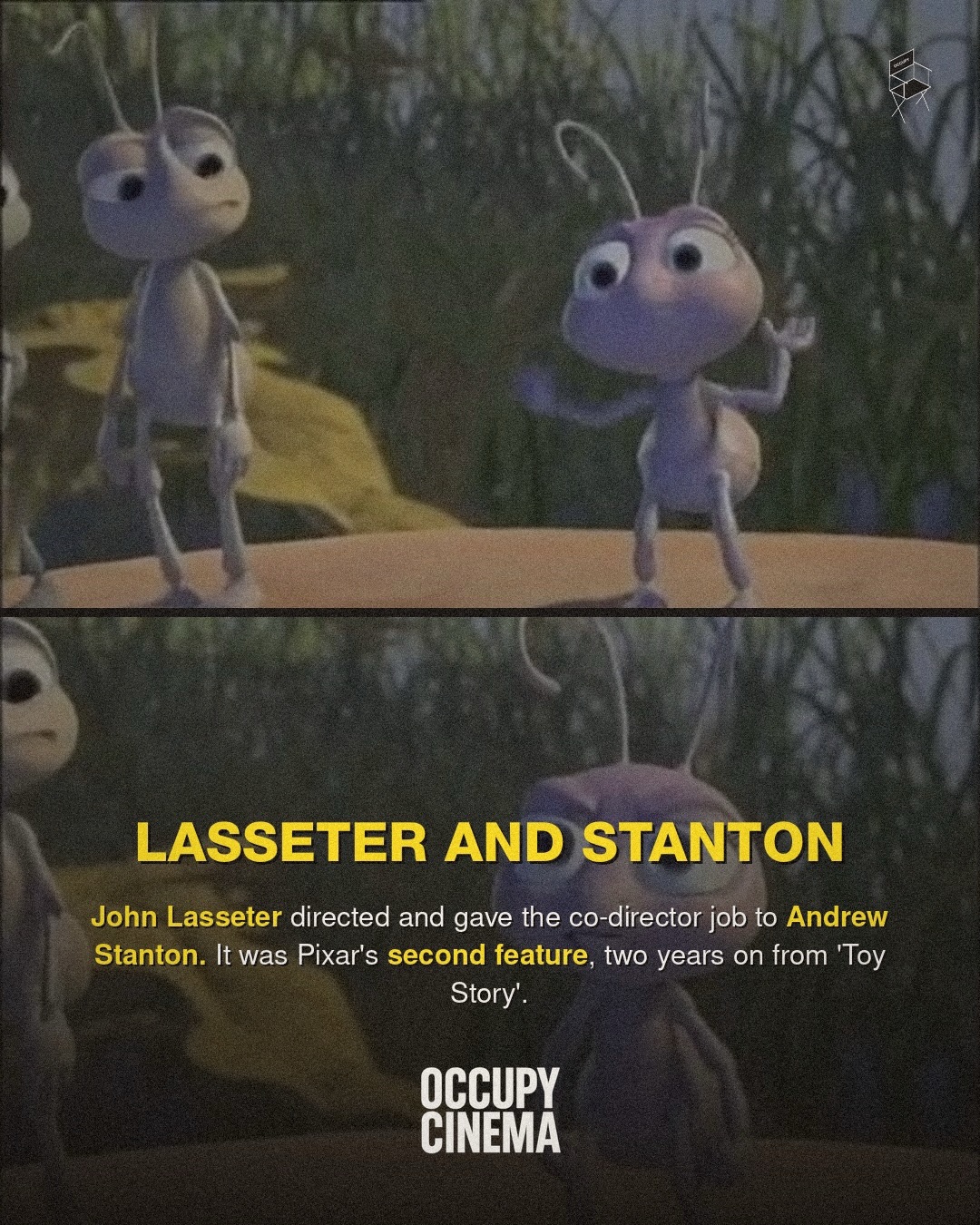
The box office responded with absolute clarity. Directed by John Lasseter and co-directed by Andrew Stanton, the film generated $46.5 million across its five-day holiday debut before climbing to $162.8 million domestically and $363.3 million worldwide. Those metrics easily outpaced Antz ($171.8 million global) and affirmed that family audiences preferred Pixar’s vibrant, wide-canvas heroism over Jeffrey Katzenberg’s neurotic, adult-leaning satire. For distributor Walt Disney Pictures, the release established a lucrative late-November corridor that the studio would milk for decades to come, as tracked across historic studio reports in Variety.
Engineering Macro Cinematography and High-Stakes Ensembles
Beneath the box office receipts lay an astonishing leap in computer graphics. Animating insects required Pixar to abandon the clean, plastic surfaces of toy bedrooms in favor of translucent vegetation, organic soil textures, and complex atmospheric lighting. The production team built an automated camera system called the "Bugcam" to capture reference video from a blade-of-grass perspective, giving the digital cinematography an authentic shallow depth of field. Furthermore, the film pioneered software capable of controlling over eight hundred individual background ants simultaneously in crowd sequences, a technical milestone that laid the groundwork for future battle sequences throughout Hollywood animation.
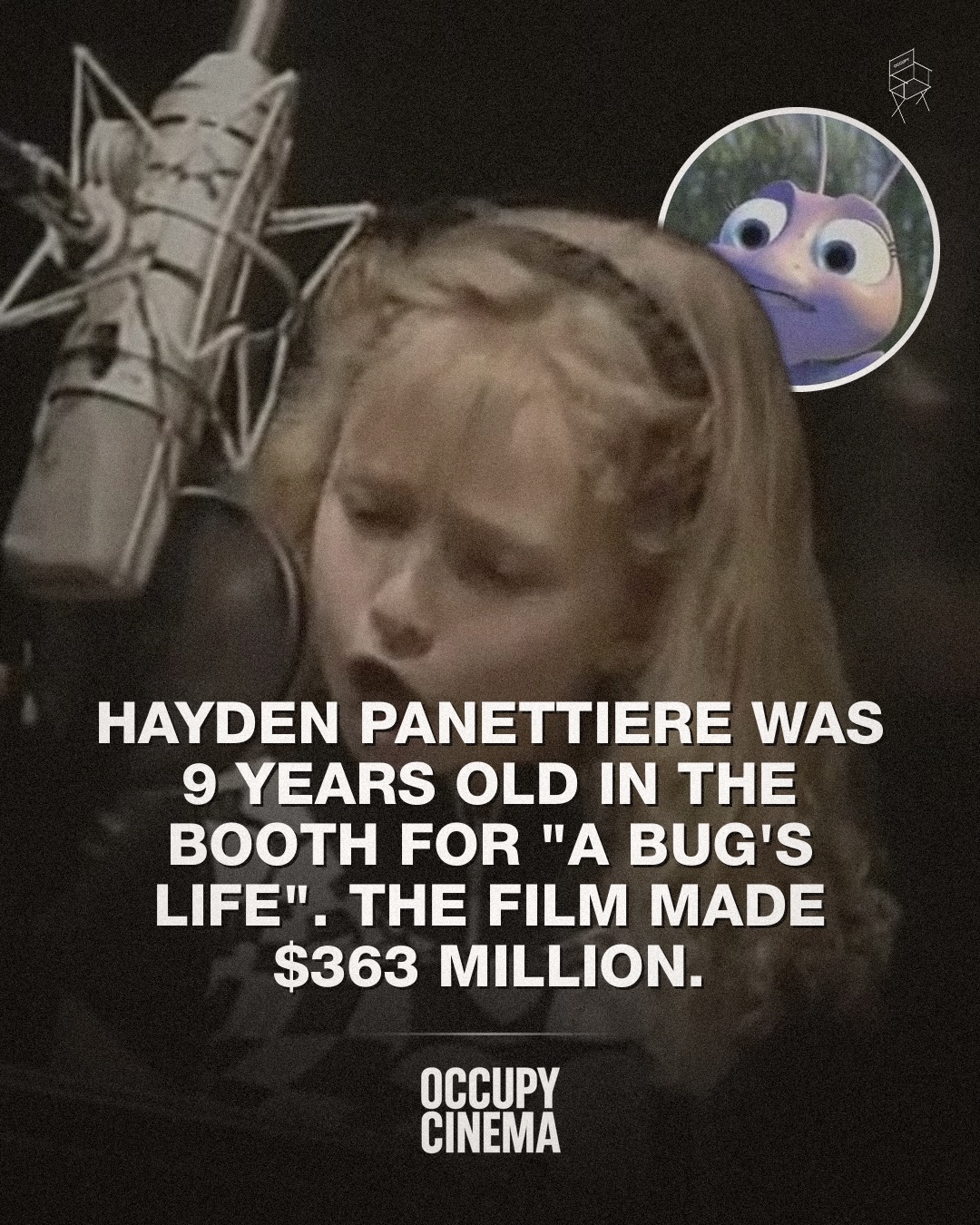
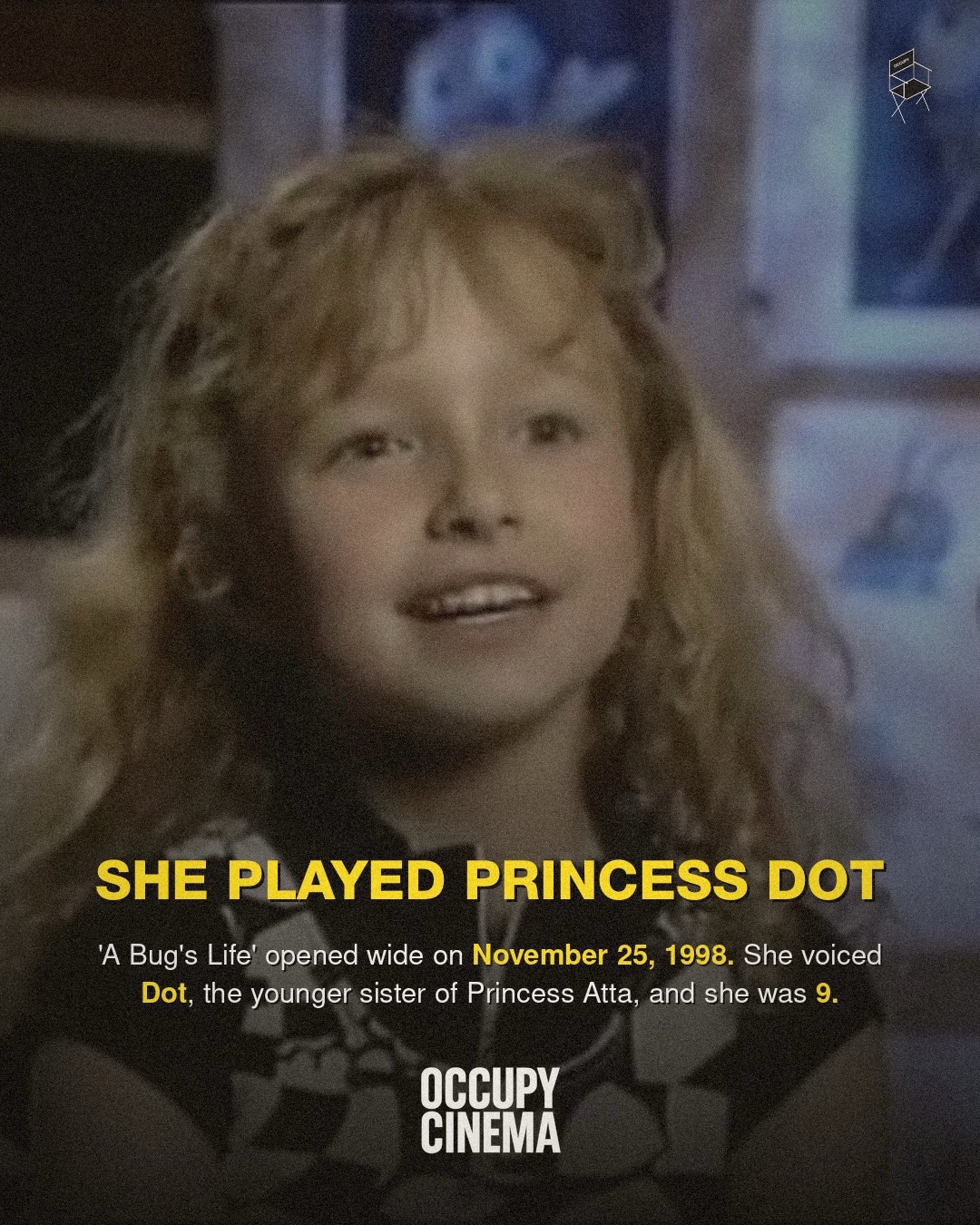
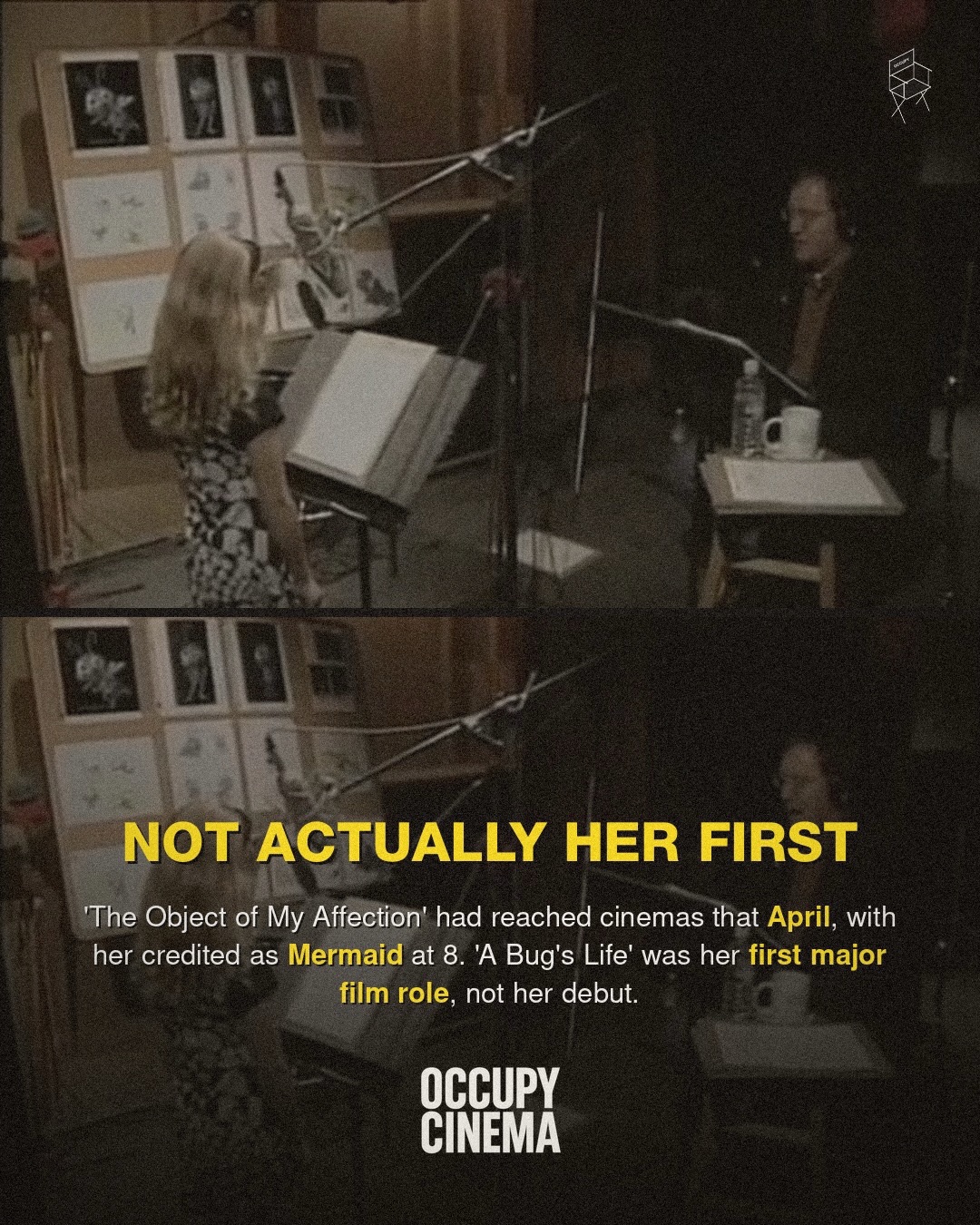
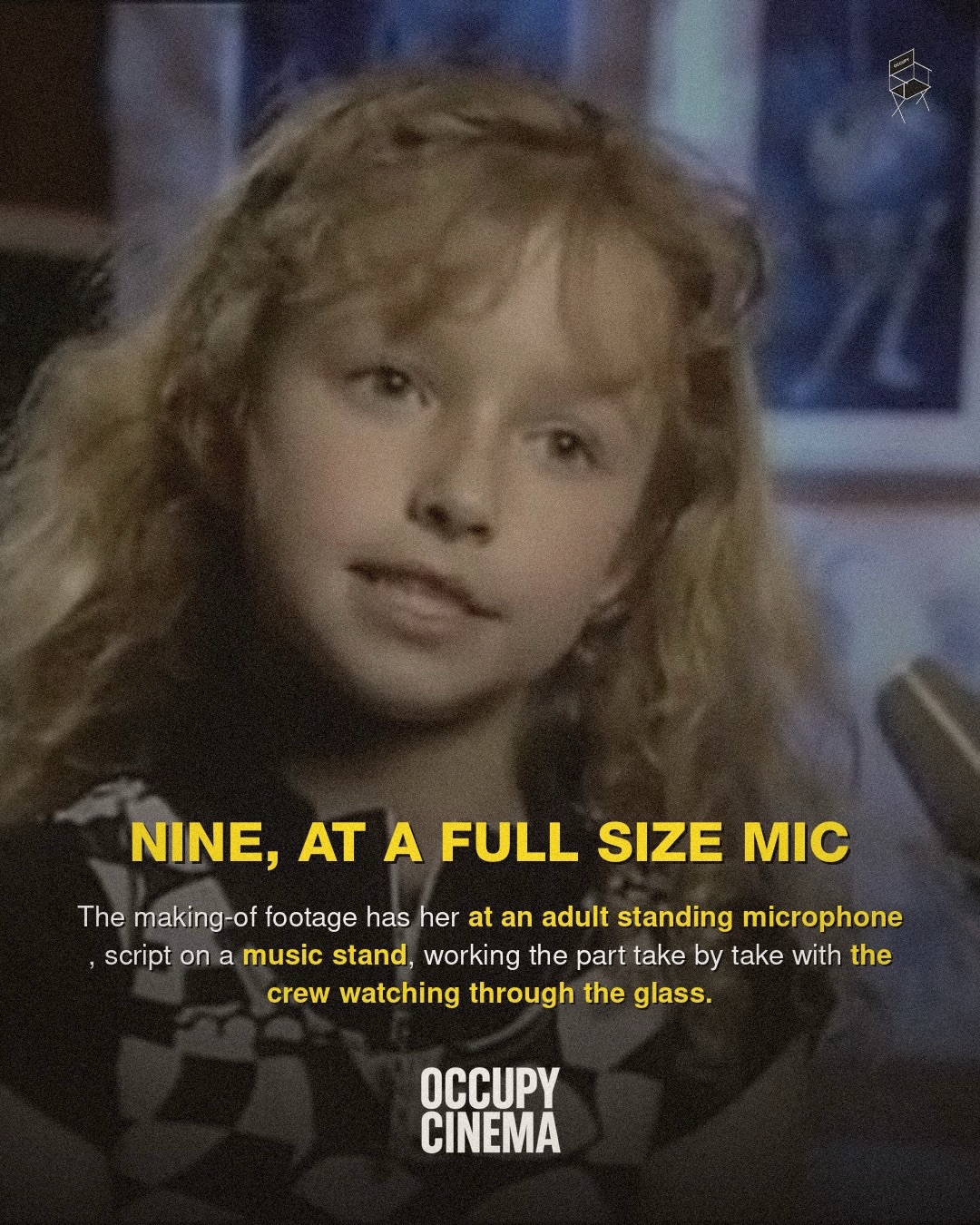
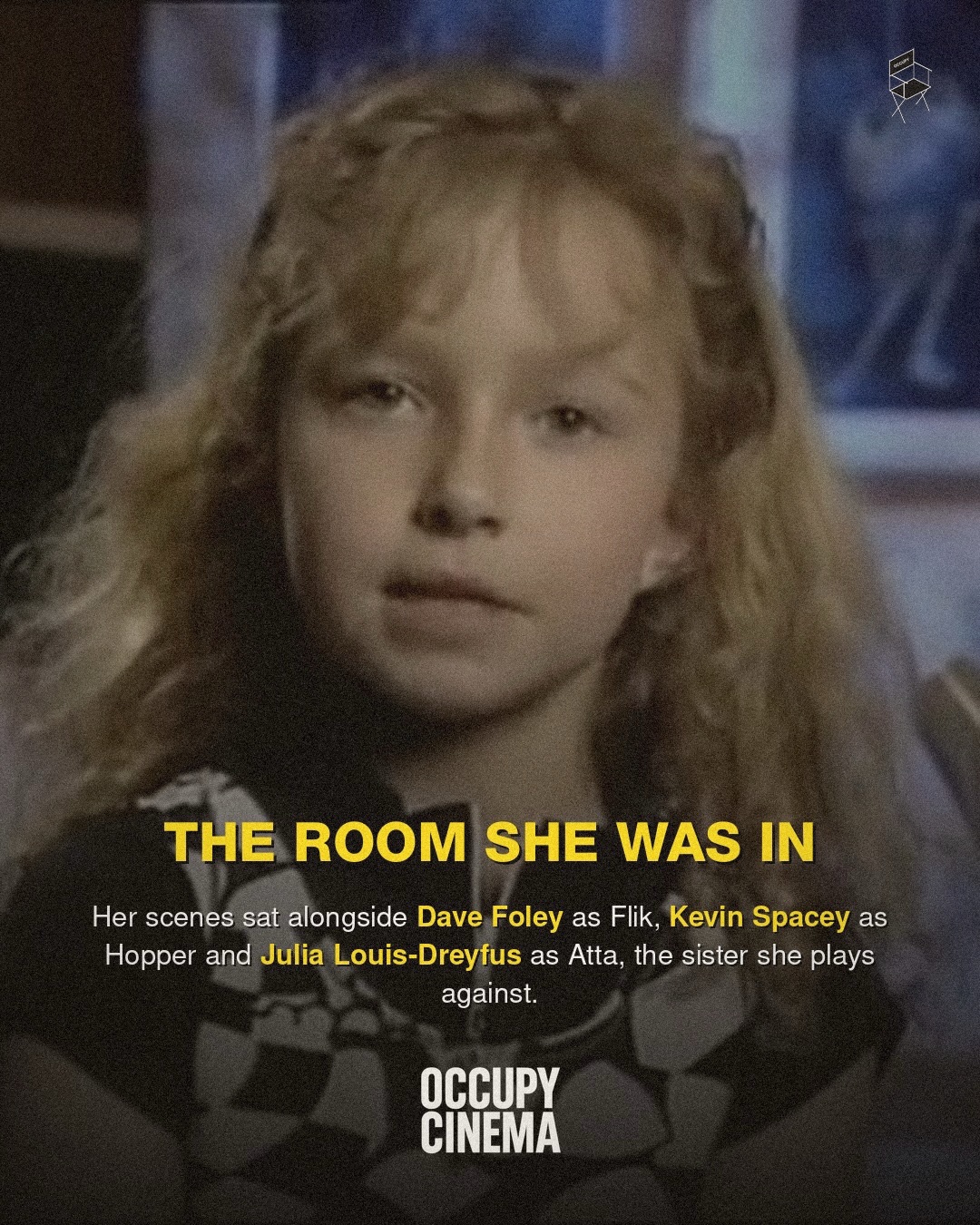
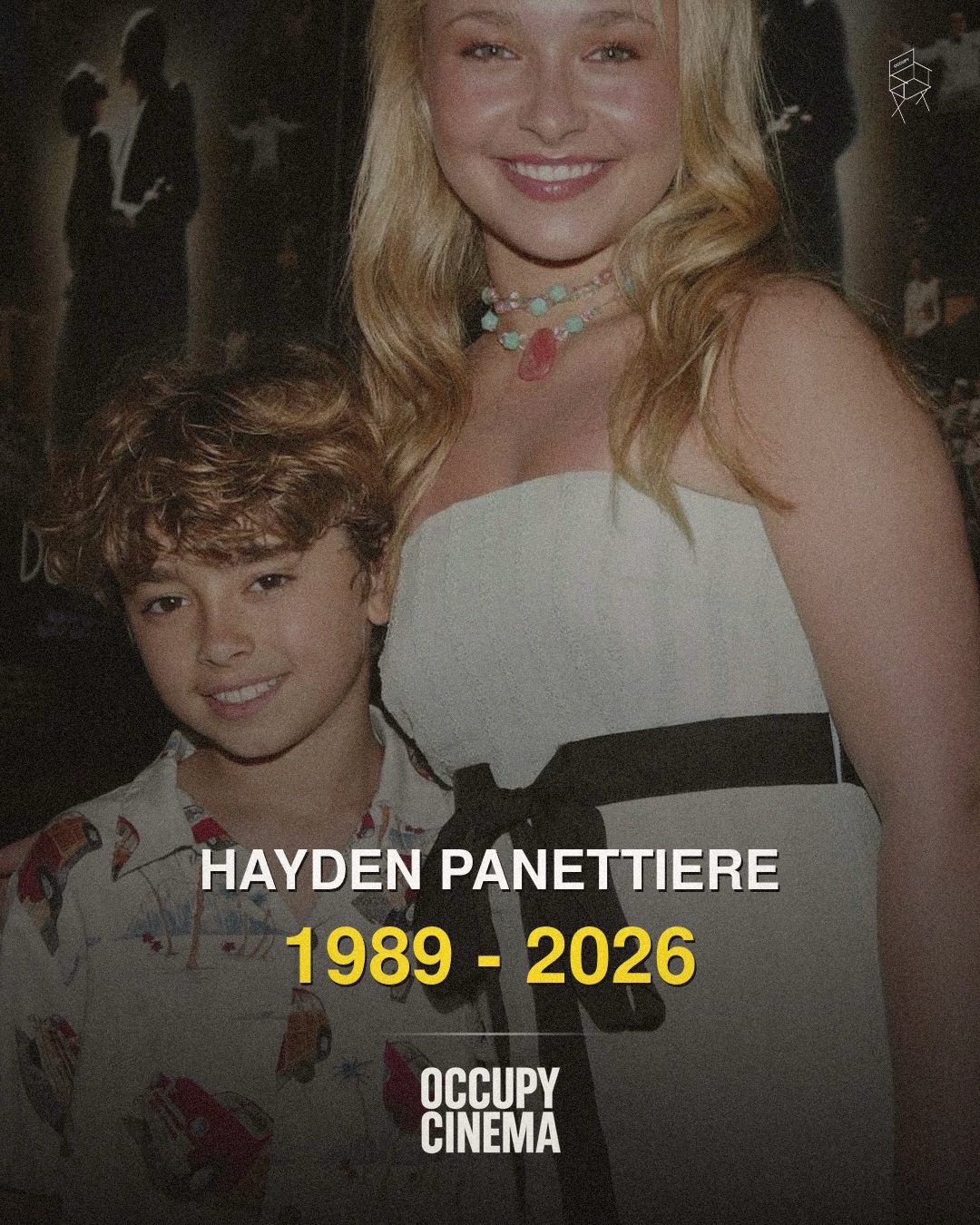
The vocal casting anchored that technical virtuosity in classical narrative structure. Loosely adapting Akira Kurosawa’s Seven Samurai and Aesop’s fables, the story surrounded Dave Foley’s inventive outcast Flik with an eclectic ensemble featuring Julia Louis-Dreyfus, Kevin Spacey, and Phyllis Diller. Among the standout performances was eight-year-old Hayden Panettiere as Princess Dot, the diminutive royal whose struggle with flight served as the emotional mirror to Flik’s own crisis of self-worth. Panettiere brought an unforced, defiant sincerity to the role, later earning a YoungStar Award nomination and anchoring a companion read-along album that secured a Grammy nomination in the spoken word category for children.
The Proving Ground for Original Animation
At the time, industry analysts covered by The Hollywood Reporter routinely questioned whether Pixar’s brand identity could survive outside the perimeter of Woody and Buzz Lightyear. A Bug’s Life answered that dilemma by codifying the studio’s core structural formula: an idiosyncratic world governed by distinct societal rules, paired with Randy Newman’s orchestral Americana and a story engine driven by empathy rather than spectacle alone. It transformed the studio from an eccentric Silicon Valley experiment into an institutional titan capable of generating original, globally resonant intellectual property from scratch.
More than a quarter-century later, the film’s financial footprint and technological ingenuity remain foundational. It proved that Pixar was not merely a pioneer of digital tools, but a disciplined narrative machine capable of defending its turf against direct studio sabotage while raising the artistic baseline for commercial family entertainment.

Related reading: Toy Story 4-Movie Collection [4K UHD + Blu-ray].