Occupy Cinema › Box Office
How Kane Parsons Turned YouTube Analog Horror Into A24's Historic Box Office Juggernaut
At just twenty years old, Kane Parsons has shattered indie records with The Backrooms, turning internet-born analog dread into a nearly $400 million theatrical phenomenon.
By Occupy Cinema ·
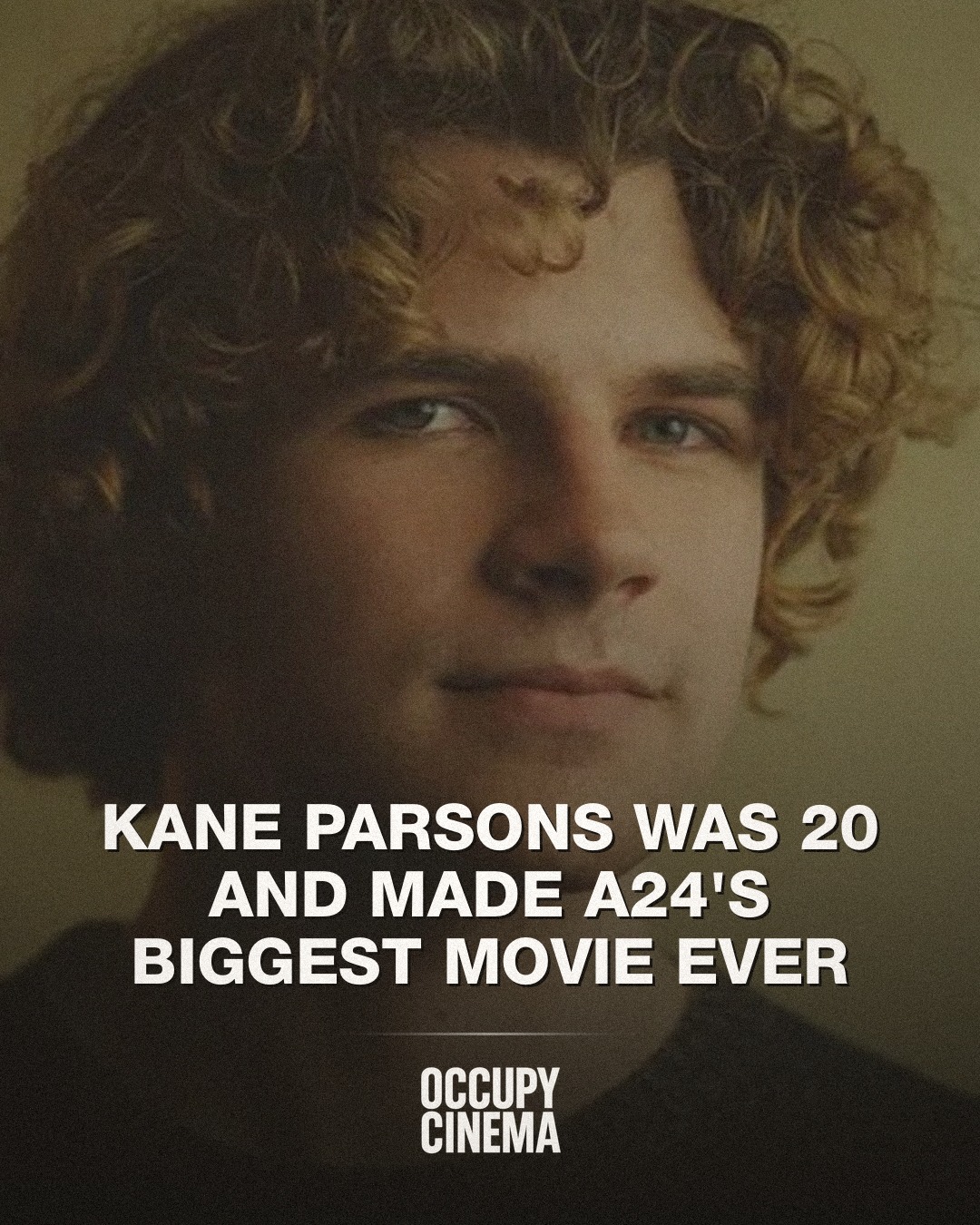
When independent distributor A24 secured its historic sweep at the Academy Awards with Everything Everywhere All at Once, the film closed its global theatrical run at roughly 143 million dollars. That was widely regarded as the commercial ceiling for a boutique art-house label operating outside the traditional studio system. That ceiling just collapsed entirely. Kane Parsons, the twenty-year-old visual effects prodigy who birthed the YouTube series from his bedroom, has steered the feature adaptation of The Backrooms past 393 million dollars worldwide. In doing so, he has delivered the single highest-grossing release in A24 history and become the youngest director to open a title at number one at the North American box office.
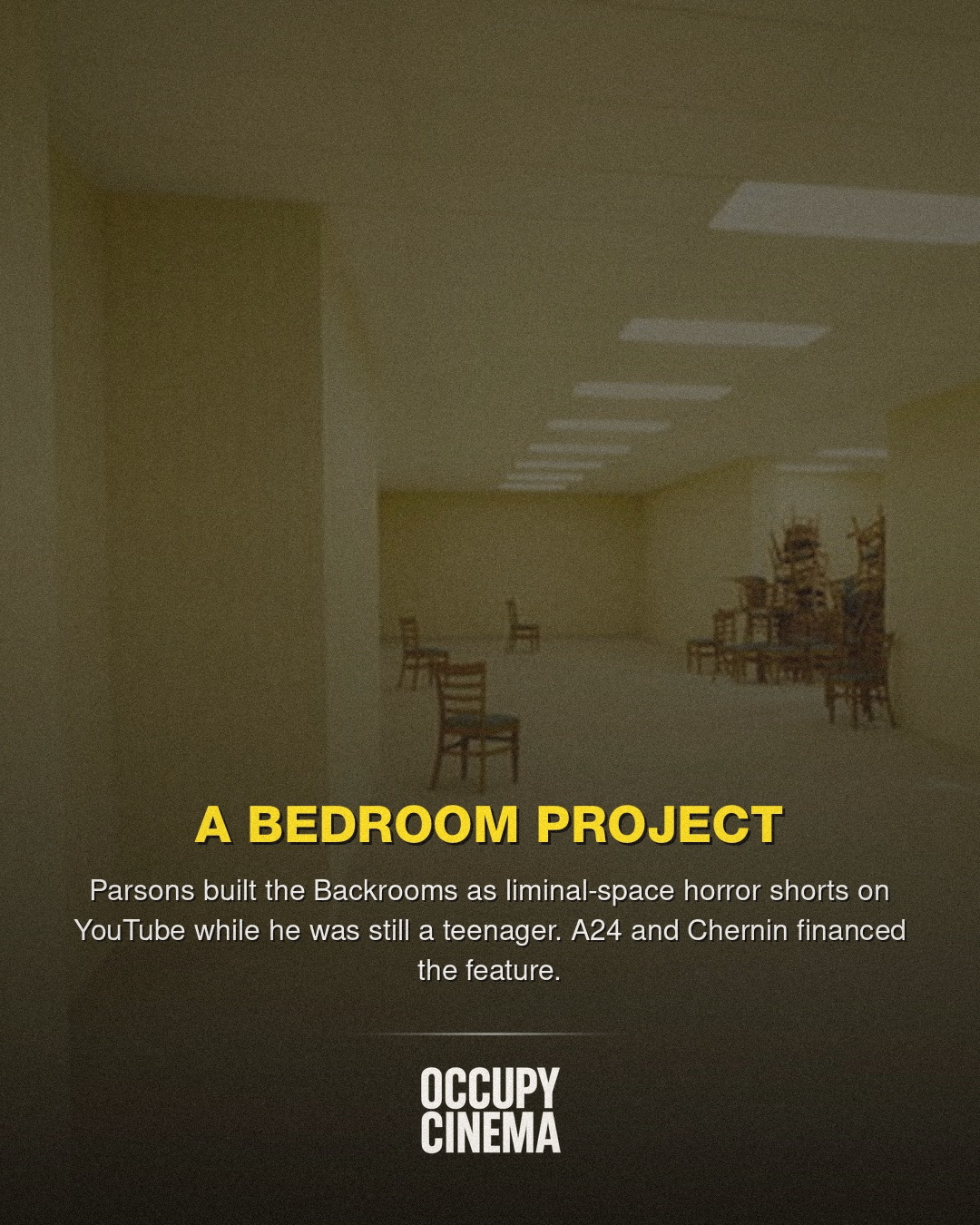
The scale of this commercial victory represents a seismic recalibration for theatrical genre filmmaking. Produced in tandem with Chernin Entertainment, the project originated not from a legacy comic book or an exhausted studio franchise, but from a viral piece of internet creepypasta expanded through Parsons' meticulously rendered Blender animations. While the original short films operated on minimalist VHS degradation and ambient sound design, the feature scaled those atmospheric foundations into a relentless theatrical experience that drove Gen Z and millennial moviegoers to cinemas in historic numbers according to recent box office tracking.
Prestige Performance Meets Creepypasta Lore
A significant portion of the film's success stems from its calculated refusal to treat the source material as a novelty. Screenwriter Roberto Patino grounded the sprawling, liminal labyrinth in human terms, supported by an unexpectedly decorated ensemble. Chiwetel Ejiofor leads the cast alongside Cannes standout Renate Reinsve, indie stalwart Mark Duplass, and rising talent Finn Bennett. This collision of art-house performance pedigree and online lore legitimised the concept, transforming what could have been a fleeting gimmick into an unsettling psychological thriller.
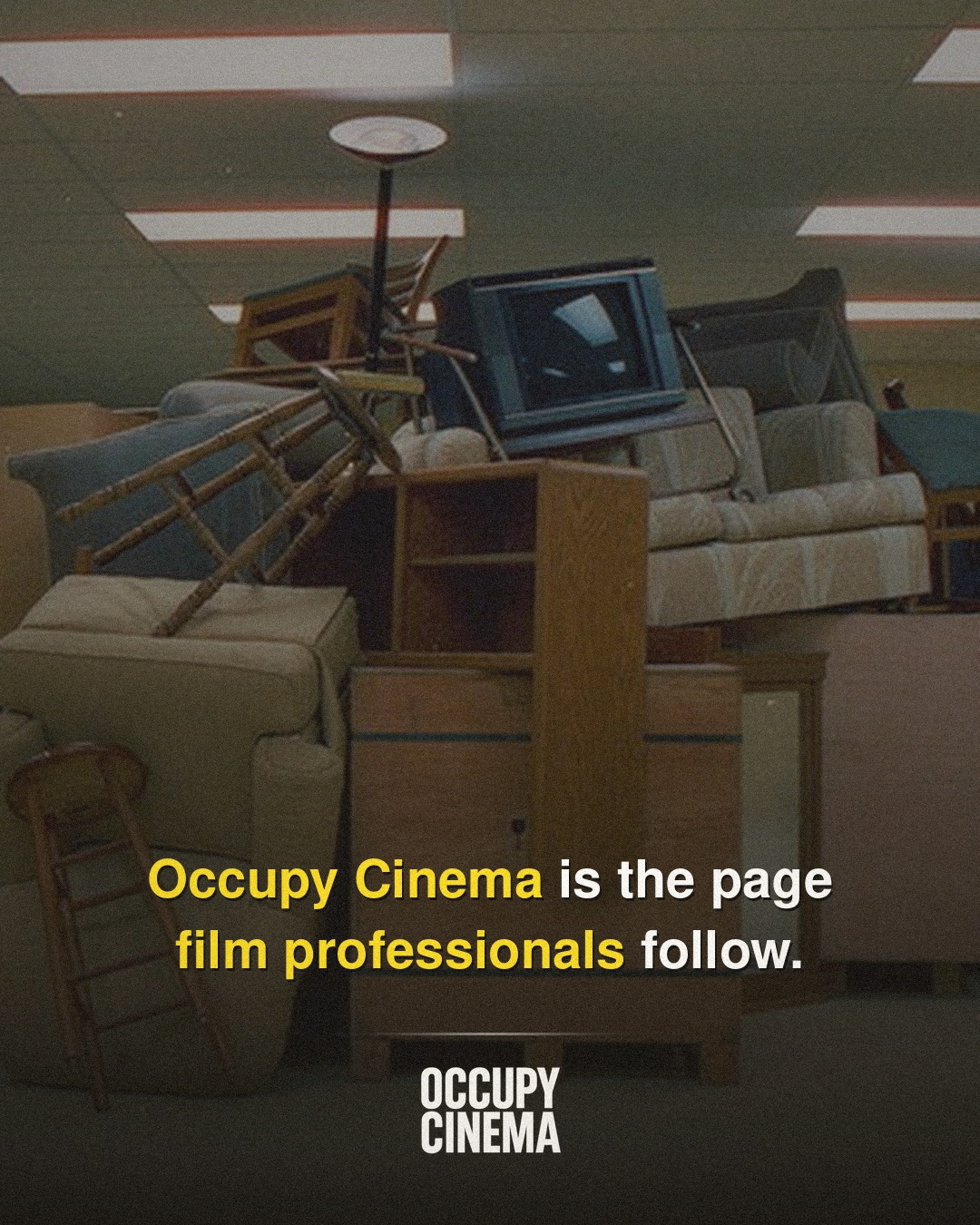
Behind the lens, Parsons avoided the trap of flattening his distinct aesthetic into polished studio homogeny. Working closely with seasoned heads of department, the director preserved the disorienting, claustrophobic visual language that made his early YouTube shorts viral hits. The production design leaned into oppressive, non-Euclidean geometry, endless corridors of damp industrial carpet, and the maddening hum of monotone fluorescent lighting. The soundscape was treated not as background texture, but as an active narrative antagonist, creating a visceral sense of spatial dread that demanded a premium theatrical sound system.
A New Paradigm for Theatrical Discovery
For Hollywood executives struggling to draw younger audiences into multiplexes, the trajectory of The Backrooms provides an undeniable blueprint. As reported by industry analysts, theatrical attendance among younger demographics has increasingly migrated away from manufactured legacy blockbusters toward self-generated internet culture with built-in community participation. Parsons did not merely pitch a movie; he arrived with an audience that had spent years dissecting hidden frames, decoding audio frequencies, and mapping the lore of his digital architecture.
By trusting a teenage creator with the steering wheel of a studio-backed budget, A24 and Chernin bypassed the committee-driven compromises that routinely dilute digital properties when they transition to the big screen. The near 400 million dollar haul proves that online horror subgenres are no longer peripheral curiosities. They are the new cinematic frontier, and Hollywood's next generation of auteurs is already building their universes on desktop software.
Related reading: Sound Design (Sonnenschein).