Occupy Cinema › Craft
Brazilian Short 'Esconde-Esconde' Captures Intimacy on 16mm, Signals New Talent
Vitória Vasconcellos's 'Esconde-Esconde' is making waves on the festival circuit, earning accolades for its raw, intimate portrayal of family secrets through a unique first-person lens.
By Occupy Cinema ·
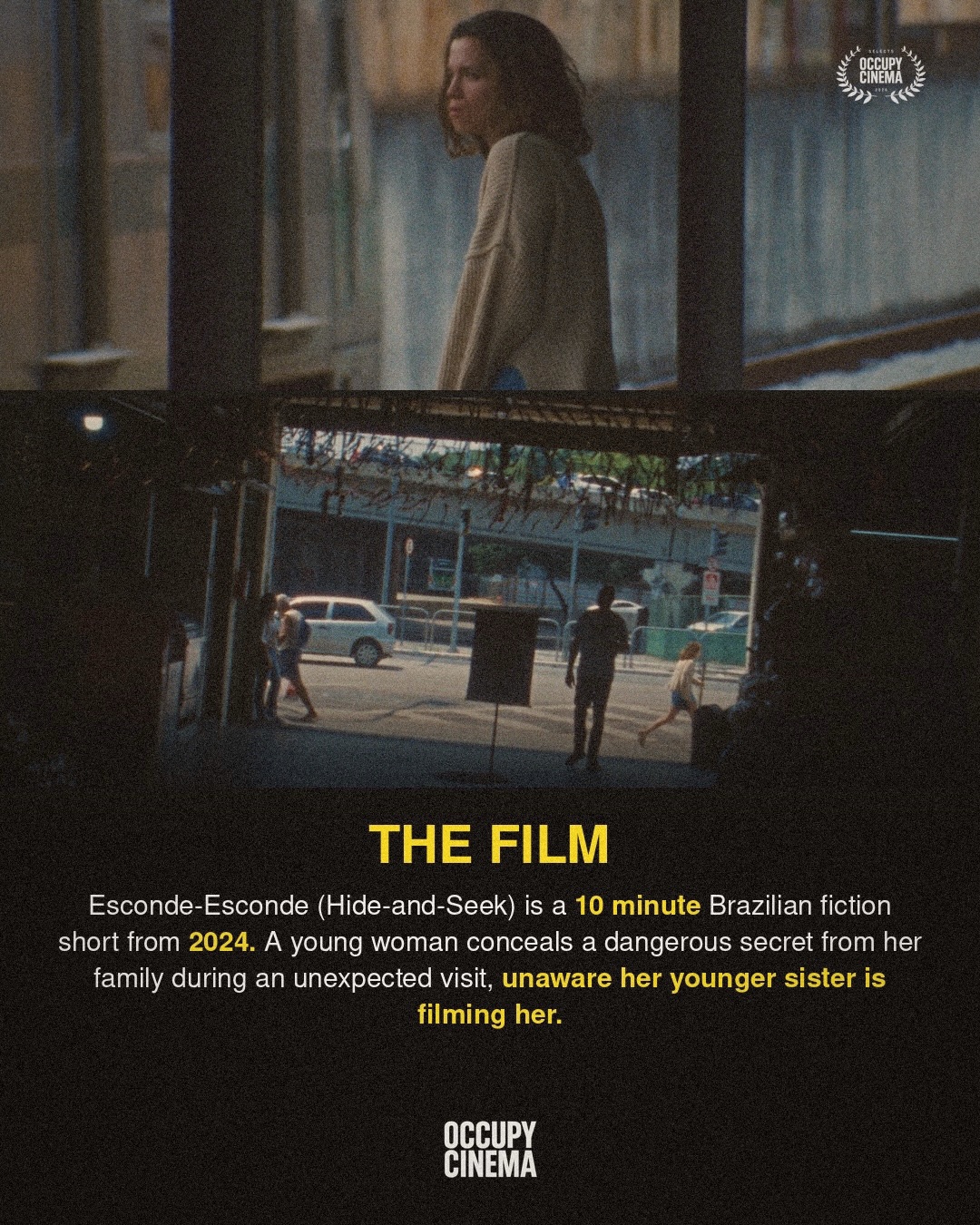
A new Brazilian short film is drawing significant attention on the festival circuit, signaling the arrival of a compelling new voice in international cinema. Esconde-Esconde, or Hide-and-Seek, from writer, director, and star Vitória Vasconcellos, has quickly amassed critical praise, including multiple awards at CINE PE. This 10-minute piece, completed in 2024, is not just a festival darling; it is a masterclass in immersive storytelling, leveraging its technical choices to amplify its emotional core.
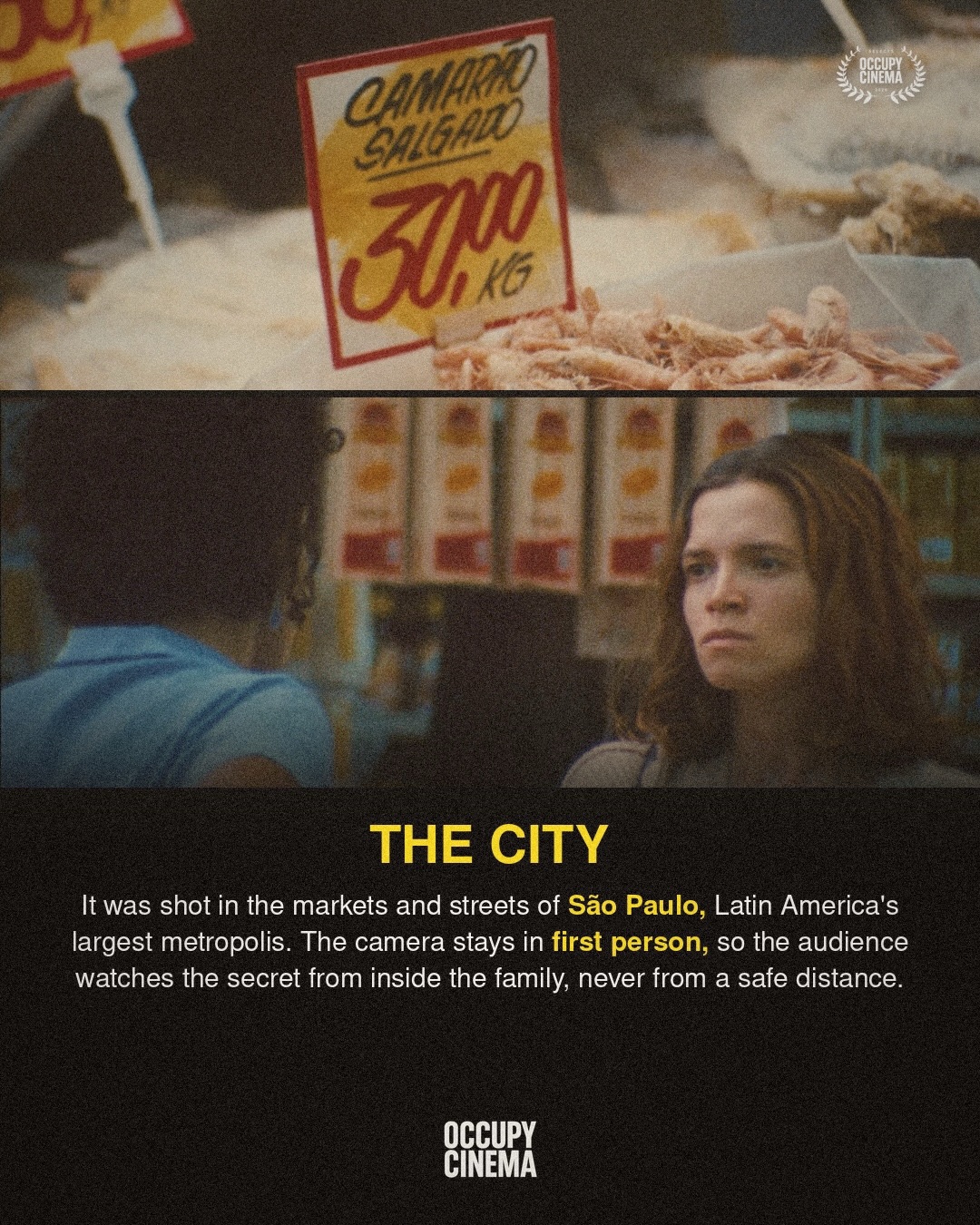
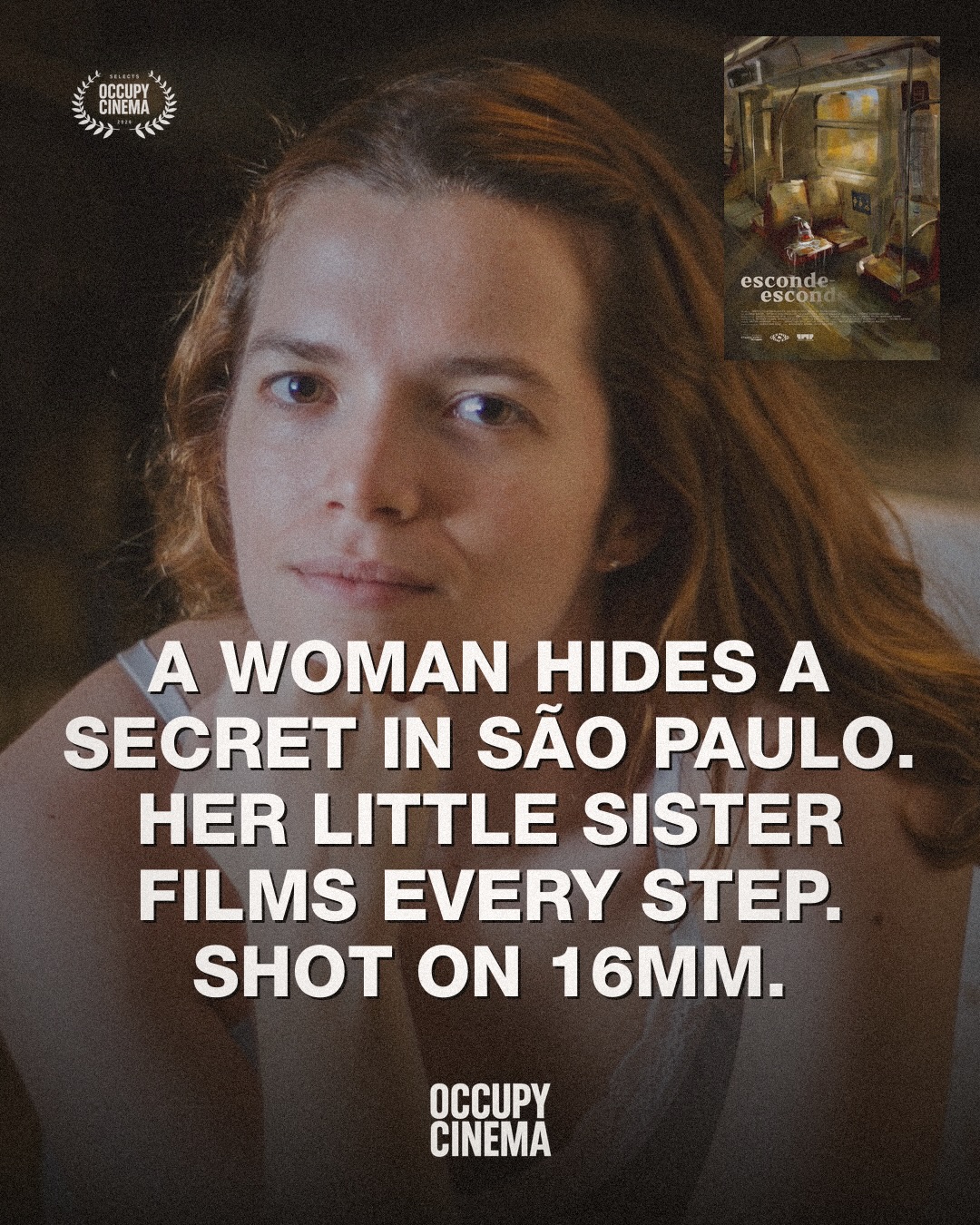
The film plunges viewers directly into the intimate space of a São Paulo family reunion. Vasconcellos plays a young woman returning home, burdened by an unspoken secret. The narrative unfolds entirely from the perspective of her younger sister, who documents the visit with a video camera. This bold stylistic choice eliminates observational distance, placing the audience squarely within the family dynamic, experiencing the tension and unspoken anxieties firsthand. It is a directorial decision that pays dividends, fostering an immediate, almost uncomfortably close connection to the protagonist's internal struggle.
The Tactile Power of 16mm
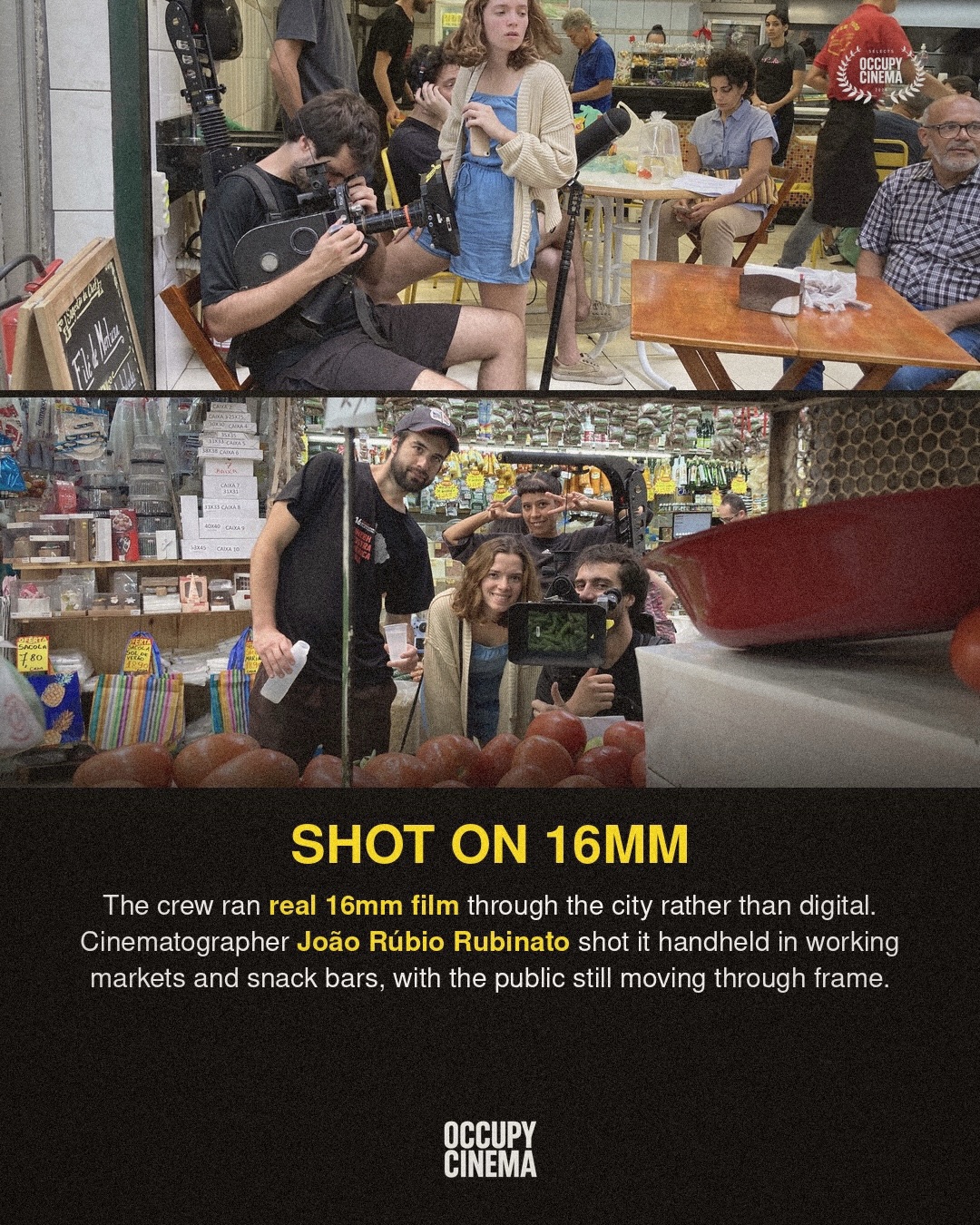
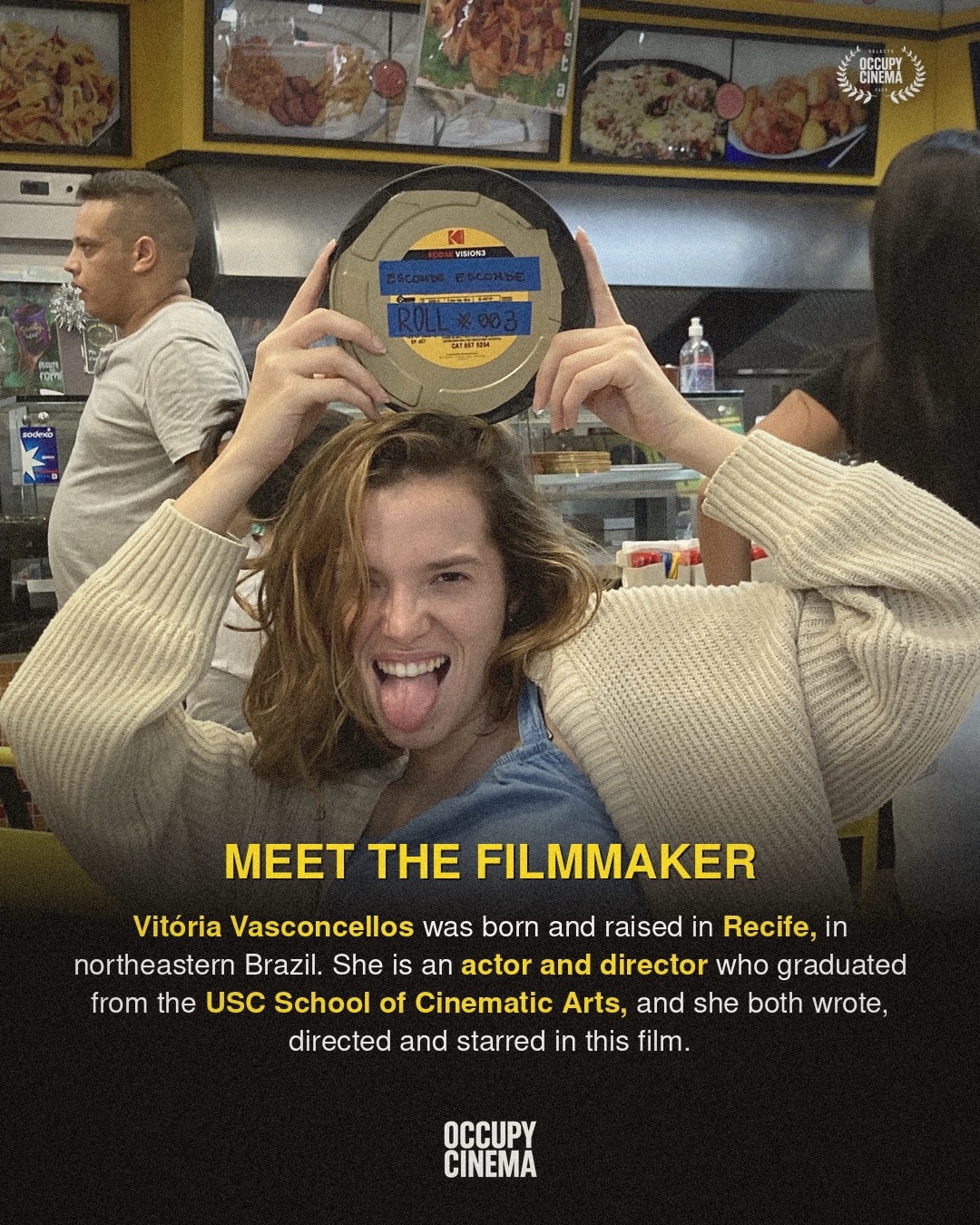
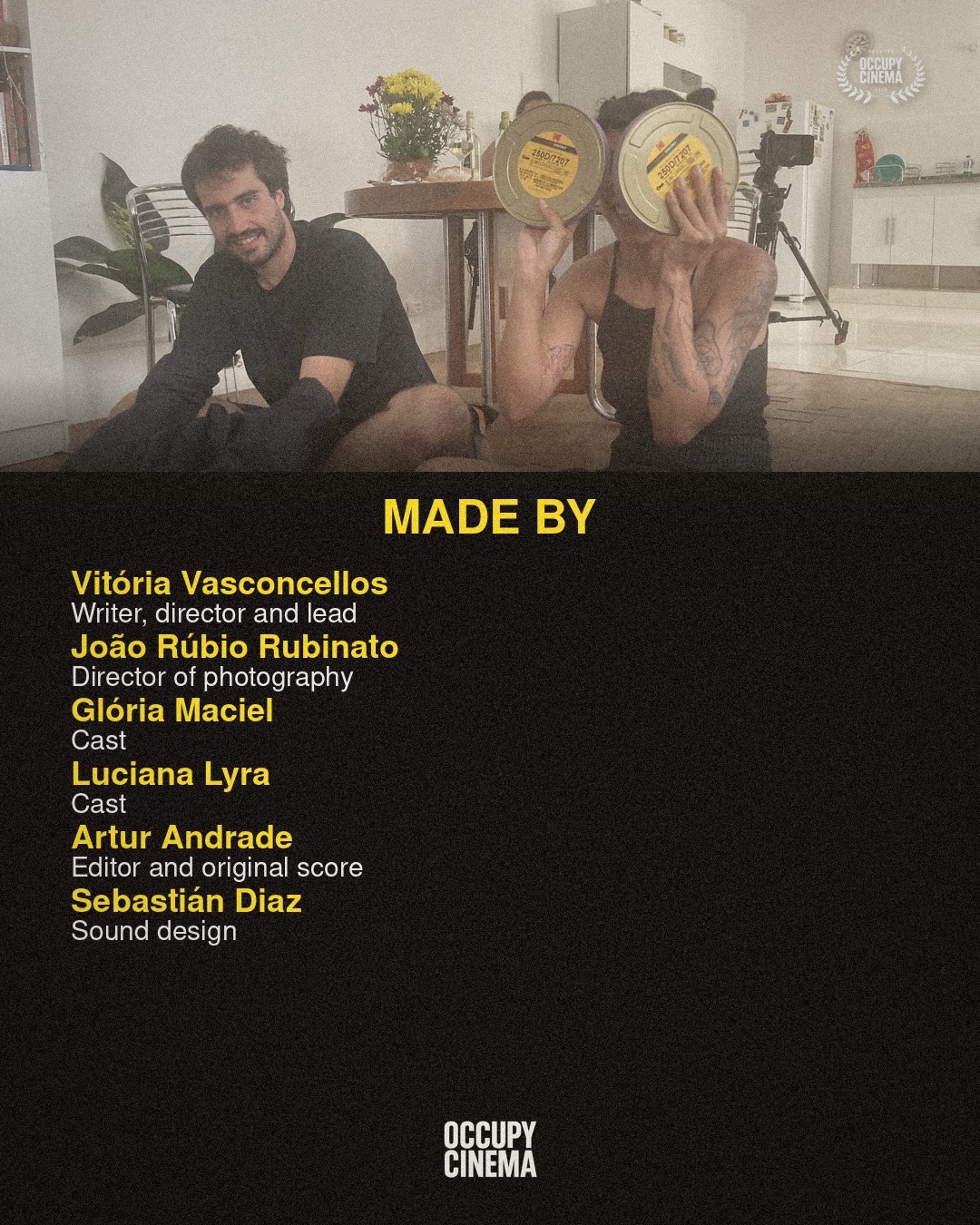
The visual texture of Esconde-Esconde is as fundamental to its impact as its narrative structure. Vasconcellos, a graduate of the USC School of Cinematic Arts, collaborated with cinematographer João Rúbio Rubinato to shoot the entire film on real 16mm stock. This choice is far from an aesthetic affectation; it is integral to the film's authenticity. The grain, the slight imperfections, and the distinct color palette of 16mm film imbue the São Paulo setting with a tangible, lived-in quality. Crucially, the crew integrated the production seamlessly into real-world environments, filming in active markets and snack bars. This approach allowed the public to move freely through frames, lending an unvarnished realism that digital formats often struggle to replicate. The resulting imagery feels less like staged cinema and more like a captured memory, perfectly aligning with the film's first-person perspective.
The logistics of shooting on film, particularly in uncontrolled public spaces, present considerable challenges. It demands precision, quick decision-making, and an intimate understanding of the medium's limitations and strengths. That Vasconcellos and Rubinato executed this vision so effectively in a short format speaks volumes about their craft. The film’s ability to evoke a sense of place and atmosphere without resorting to overt exposition is a testament to this commitment to analogue filmmaking. It is a powerful argument for the continued relevance of physical film in an increasingly digital landscape, demonstrating how medium can be message.
Festival Acclaim and Industry Impact
Esconde-Esconde has already garnered significant attention on the festival circuit. Its selections at prestigious events like Palm Springs International ShortFest and the Edinburgh International Film Festival underscore its international appeal and artistic merit. The film’s triple win at CINE PE, Best Short Film, Best Director, and Best Cinematography, provides concrete validation of its technical and narrative strengths. These accolades are not merely ceremonial; they are crucial endorsements that can propel a short film, and its creators, onto larger stages, including potential Oscar qualification or increased visibility for feature-length projects. For emerging filmmakers, a strong short is often the most direct path to securing financing and industry backing for future endeavors.
The success of Esconde-Esconde highlights a vibrant moment in Brazilian independent cinema. Filmmakers from the region continue to explore complex social and personal narratives with innovative formal approaches. Vasconcellos’s film, with its intimate scale and bold stylistic choices, stands as a prime example of this trend. It demonstrates that powerful storytelling does not require sprawling budgets or extensive runtimes. Instead, a clear vision, precise execution, and a willingness to embrace challenging production methods can yield profoundly affecting results. The film’s ability to resonate with diverse festival audiences suggests a universal appeal in its exploration of family, secrets, and the often-unspoken burdens we carry home. For more on festival circuit standouts, visit Variety's festival coverage.
This short serves as a compelling calling card for Vitória Vasconcellos, establishing her as a director with a keen eye for emotional nuance and a firm grasp of cinematic language. Her ability to blend personal narrative with a distinct visual style positions her as a talent to watch. The film’s success also reiterates the enduring power of short-form storytelling as a vital incubator for cinematic innovation. As Esconde-Esconde continues its festival run, it solidifies its place as a significant entry in contemporary Brazilian cinema, proving that even the briefest of narratives can leave a lasting impression.