Occupy Cinema › FEATURED
Nora Ephron's Enduring Legacy: Heroine of Her Own Narrative
Twenty-eight years after delivering a prescient commencement address at Wellesley College, Nora Ephron's message of self-authorship resonates more than ever, defining a career that reshaped romantic comedies and empowered a generation.
By Occupy Cinema ·
Ephron's Enduring Influence: From Wellesley to Hollywood
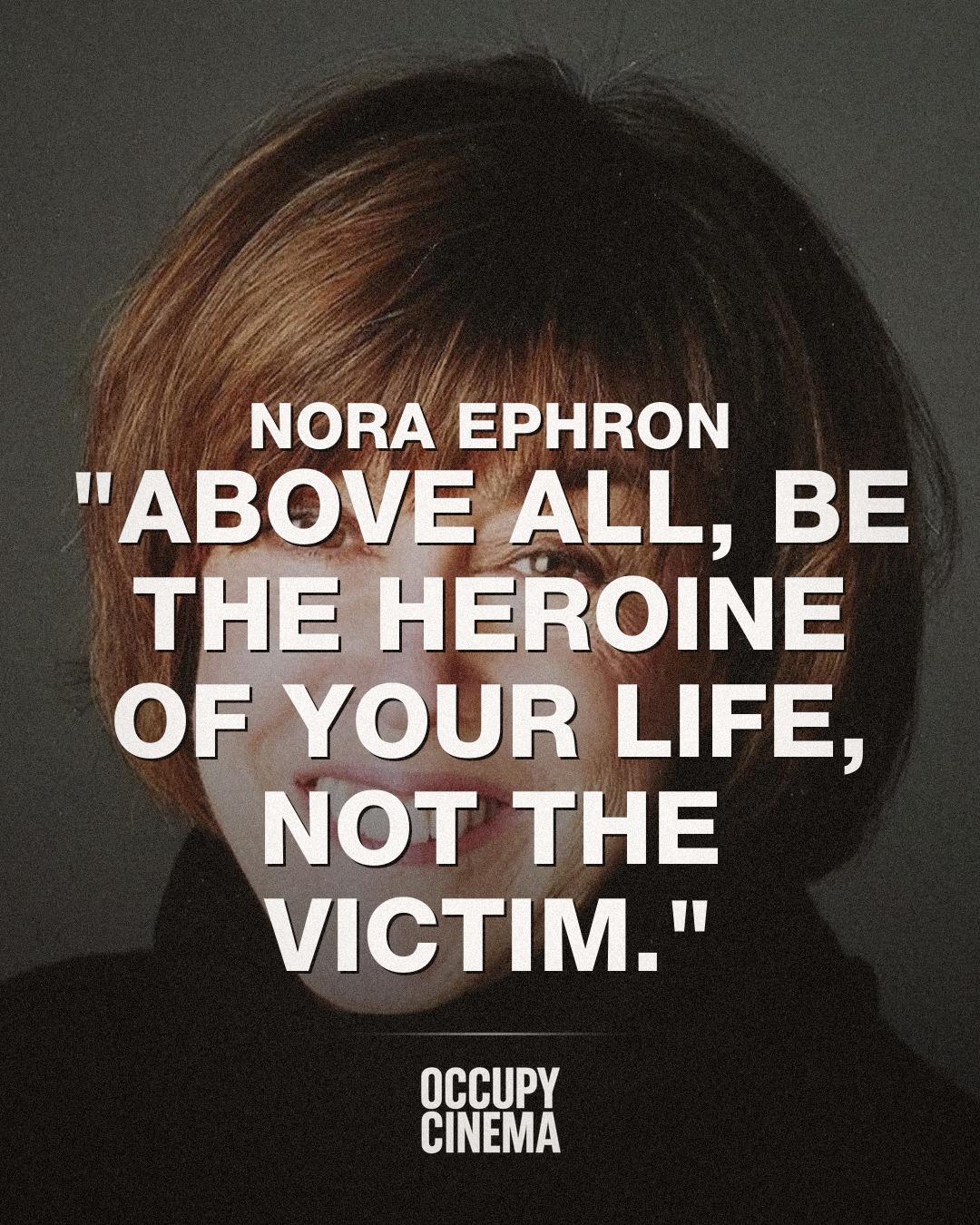
Nora Ephron, the screenwriter, director, and essayist, famously told the Wellesley College class of 1996 to "be the heroine of your life, not the victim." This directive, delivered in a commencement speech now widely circulated, was more than aspirational advice; it was a blueprint for her own career and an enduring manifesto for generations of women in and out of Hollywood. At the time of her address, Ephron was already a formidable force, having penned the iconic screenplay for When Harry Met Sally.. and directed box office hits. Her words from that day continue to echo, providing a lens through which to view her profound impact on cinema and the industry at large.
Ephron's career trajectory was anything but conventional, mirroring the very philosophy she espoused. She navigated a male-dominated film landscape by writing and directing stories that often centered on complex, intelligent women, carving out a distinct niche that proved to be incredibly lucrative. Films like Sleepless in Seattle, which grossed over $227 million worldwide on a modest $21 million budget in 1993, demonstrated the commercial viability of sophisticated romantic comedies, cementing her status as a bankable filmmaker. Her subsequent project, You've Got Mail, released two years after her Wellesley speech, would further solidify this reputation, becoming another critical and commercial success.
The financial success of her films wasn't just about personal triumph; it was a statement. It proved that stories driven by female perspectives, written with wit and intelligence, could attract massive audiences and generate significant revenue. This was a critical lesson for studios often hesitant to invest in such projects. Ephron's ability to consistently deliver both critical acclaim and impressive box office numbers gave her unparalleled creative control, allowing her to shape narratives that reflected her unique voice and vision.
Crafting the Modern Rom-Com: Beyond the Numbers
Beyond the impressive box office figures, Ephron's craft redefined the romantic comedy genre. She infused it with a sharp, observational humor and a genuine emotional depth that elevated it beyond mere escapism. Her dialogue, often rapid-fire and packed with cultural references, felt authentic and lived-in. Films like When Harry Met Sally.. and Sleepless in Seattle are not just love stories; they are examinations of friendship, loneliness, and the search for connection in a complex modern world. Her meticulous approach to screenwriting, often rooted in her background as a journalist and essayist, ensured that her characters were fully realized and her plots intricately constructed.
Ephron's directorial style was equally distinctive. She favored a clean, unfussy aesthetic that prioritized performance and storytelling. Her collaborations with stars like Tom Hanks and Meg Ryan became legendary, creating on-screen chemistry that audiences adored. She understood the power of casting, the rhythm of a scene, and the subtle nuances that bring a story to life. This acute understanding of cinematic language allowed her to translate her incisive scripts into equally compelling visual narratives, making her a true auteur in the commercial space. Her passing in 2012 left a void, but her influence on screenwriting and directing, particularly for women, remains palpable.
The cultural impact of Ephron's work extends far beyond critical accolades and financial returns. She inspired a generation of writers and directors to pursue their own visions, demonstrating that intelligence and humor could be powerful cinematic tools. Her films became touchstones for discussions about gender roles, relationships, and the challenges of modern life. She showed that commercial cinema could also be smart cinema, that popular entertainment could also be intellectually stimulating. Her legacy is visible in the enduring popularity of her films and the continued efforts of filmmakers who strive to capture the same blend of wit and heart.
In an industry often criticized for its lack of diverse voices, Nora Ephron stood as a beacon of female authorship and agency. Her Wellesley message was not just for the graduates in attendance; it was a rallying cry for anyone seeking to define their own narrative. She didn't just tell stories; she crafted a career that exemplified the very heroism she advocated, leaving an indelible mark on Hollywood and inspiring countless individuals to pick up the pen, step behind the camera, and be the heroine of their own lives. Her work remains a testament to the power of a singular vision and the enduring appeal of genuine human connection on screen.