Occupy Cinema › FEATURED
AMC Theatres Launches Leawood Films: A New Chapter for Exhibition and Distribution
The nation's largest exhibitor, AMC Theatres, is entering the distribution game with Leawood Films. This move redefines the theatrical landscape, harkening back to a pre-Paramount Decrees era.
By Occupy Cinema ·
AMC Diversifies, Eyes Indie Market Share
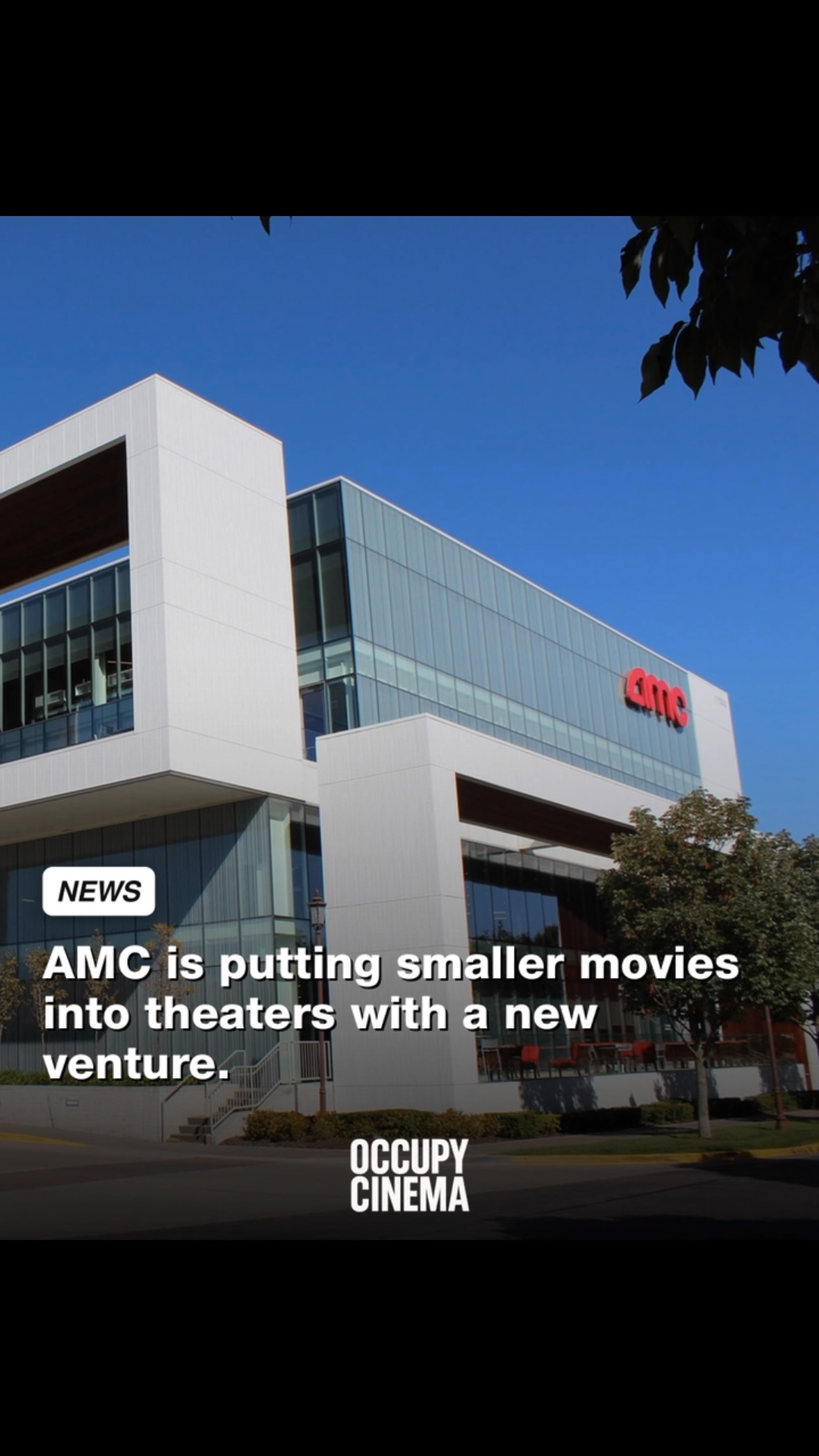
AMC Theatres, the dominant exhibitor in the United States, has formally announced its foray into film distribution with the launch of Leawood Films. This strategic pivot marks a significant shift in the industry, with the nation's largest cinema chain now poised to acquire and release its own slate of pictures. Named for AMC's headquarters in Leawood, Kansas, the new label will focus on small to mid-budget films, targeting a segment often overlooked by major studios. This move is not merely a diversification of AMC's business model but a direct challenge to traditional distribution channels, signaling a potential reshaping of how independent cinema reaches audiences.
The decision to establish Leawood Films comes in the wake of the 2020 termination of the Paramount consent decrees, which for over seven decades prevented film exhibitors from owning distribution companies. This legal barrier, dismantled just four years ago, now allows for a vertical integration not seen since Hollywood's Golden Age. AMC's initiative is the most substantial move yet by a major exhibitor to capitalize on this regulatory change. Early projections suggest Leawood Films aims to acquire films already financed or completed, bypassing the complexities of pre-production funding and focusing directly on market placement. The first titles are anticipated to hit screens in 2027, setting a medium-term horizon for the label's impact.
The venture is bolstered by significant industry expertise. Former Warner Bros. chairman Toby Emmerich and ex-Disney marketing president Ricky Strauss are advising the new entity. Their combined experience in production, distribution, and strategic marketing provides immediate credibility and a deep network within Hollywood. Guiding the day-to-day distribution efforts will be Kyle Davies, who departs Bleecker Street to take the helm. Davies brings a proven track record in independent film distribution, having navigated numerous releases through a competitive market. This leadership team suggests a serious commitment from AMC, not just a tentative experiment.
The Indie Landscape and Box Office Implications
The indie film sector has faced increasing pressures in recent years. Mid-budget dramas and specialized titles often struggle to secure wide theatrical releases, frequently relegated to limited runs or direct-to-streaming platforms. Leawood Films aims to fill this void, providing a direct pipeline to AMC's vast network of screens. With over 900 locations and 10,000 screens globally, AMC offers an unparalleled platform for films that might otherwise struggle to find an audience. This guaranteed exhibition could be a game-changer for producers and filmmakers, offering greater leverage in financing and sales.
The financial implications are substantial. By acquiring films outright, AMC can potentially capture a larger share of the revenue stream, extending beyond just ticket sales to include ancillary rights and licensing. This vertical integration could create a more robust economic model for certain types of films, insulating them from the vagaries of third-party distributors who have their own slate priorities. For AMC, it represents a new revenue stream beyond concession sales and ticket revenue splits, which are often razor-thin. It's a calculated risk, but one that could yield significant returns if Leawood Films identifies and markets compelling content effectively.
The broader industry will be watching closely. Should Leawood Films prove successful, it could trigger similar moves from other major exhibitors like Cinemark or Regal. This would fundamentally alter the power dynamics between creators, distributors, and exhibitors, potentially leading to a more consolidated, vertically integrated industry. For independent filmmakers, it presents a dual-edged sword: a new avenue for distribution, but also the potential for increased control from exhibitors over creative and commercial decisions. The landscape of film finance and exhibition is currently undergoing rapid transformation, and AMC's play is a bold new chapter.
This initiative represents a strategic bet on the enduring appeal of the theatrical experience for a diverse range of cinematic content. While blockbusters remain the primary driver of box office, the middle market of cinema has always been vital for artistic innovation and audience engagement. Leawood Films seeks to reclaim some of that territory, positioning AMC not just as a venue for films, but as an active participant in bringing them to life and to screen. The success of this venture will be measured not only in financial returns but in its ability to cultivate a vibrant, accessible theatrical home for a broader spectrum of cinematic stories.
Related reading: Cinema Treasures: A New Look at Classic Movie Theaters.