Occupy Cinema › FEATURED
The Amazonian Startup Pitch That Became a Modern Meta-Cinema Masterclass
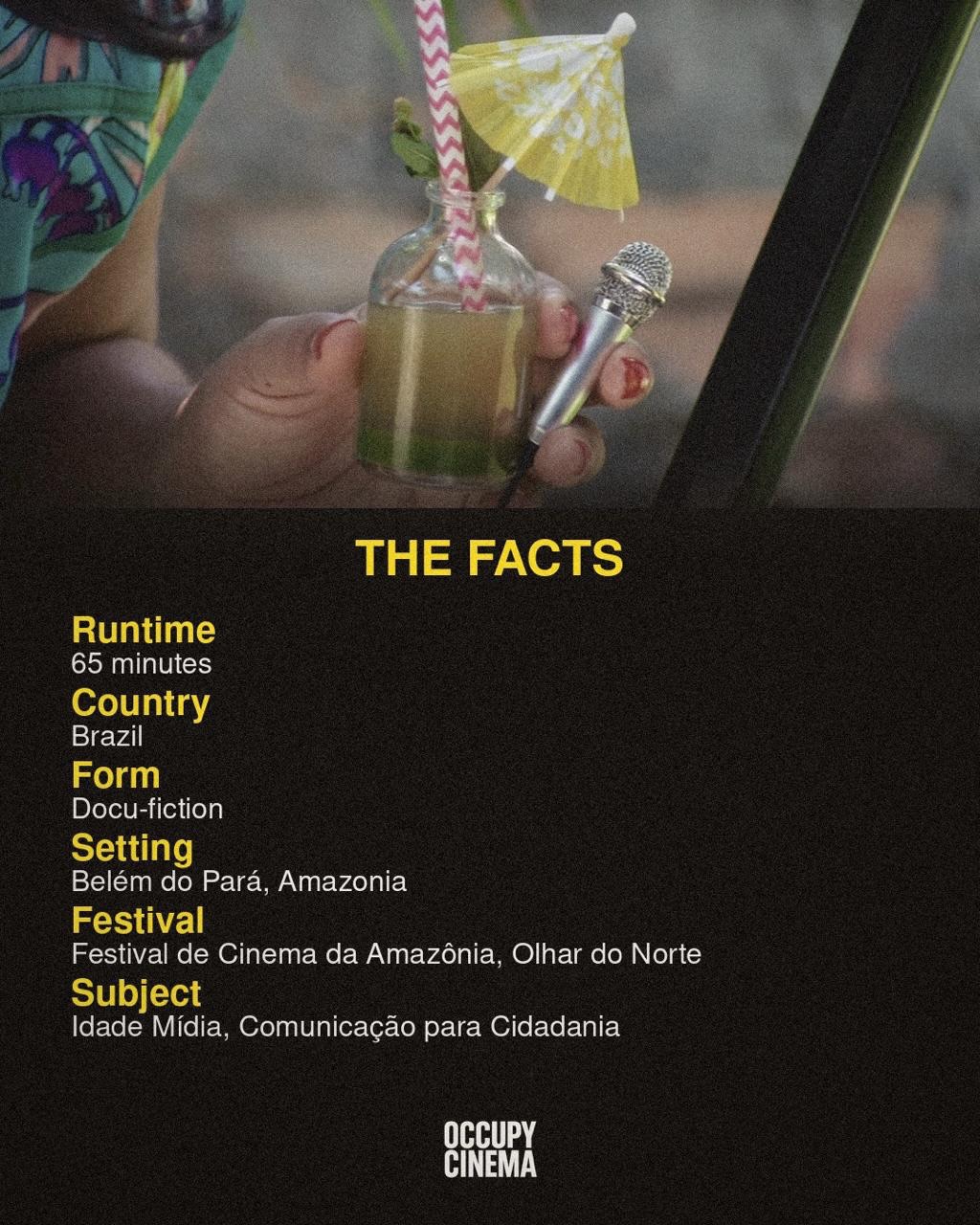
In a tight 65 minutes, director Mateus Guzzo and activist Angelo Madson Tupinambá turn grassroots web radio into an incisive docu-fiction satire on capital, media, and Amazonian self-determination.
By Occupy Cinema ·
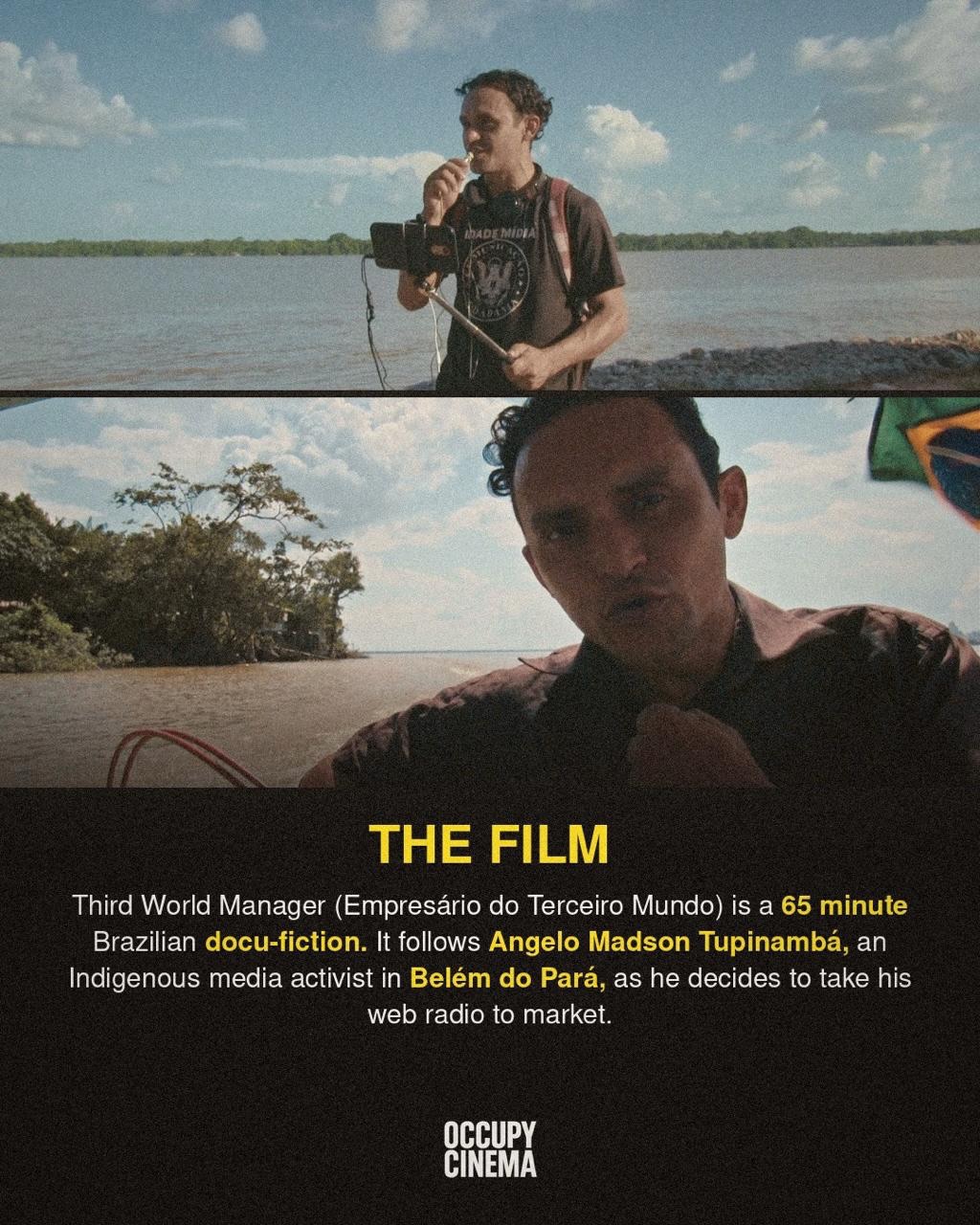
Independent Brazilian cinema is finding radical new shapes far from the traditional industry hubs of Rio de Janeiro and São Paulo. In Belém do Pará, at the mouth of the Amazon River, media activist Angelo Madson Tupinambá and director Mateus Guzzo have crafted a 65-minute hybrid docu-fiction that collapses grassroots community radio into venture capital theater. The film presents a fascinating collision of activist urgency and startup absurdity, transforming a local media initiative into an unexpected battleground for cultural sovereignty.
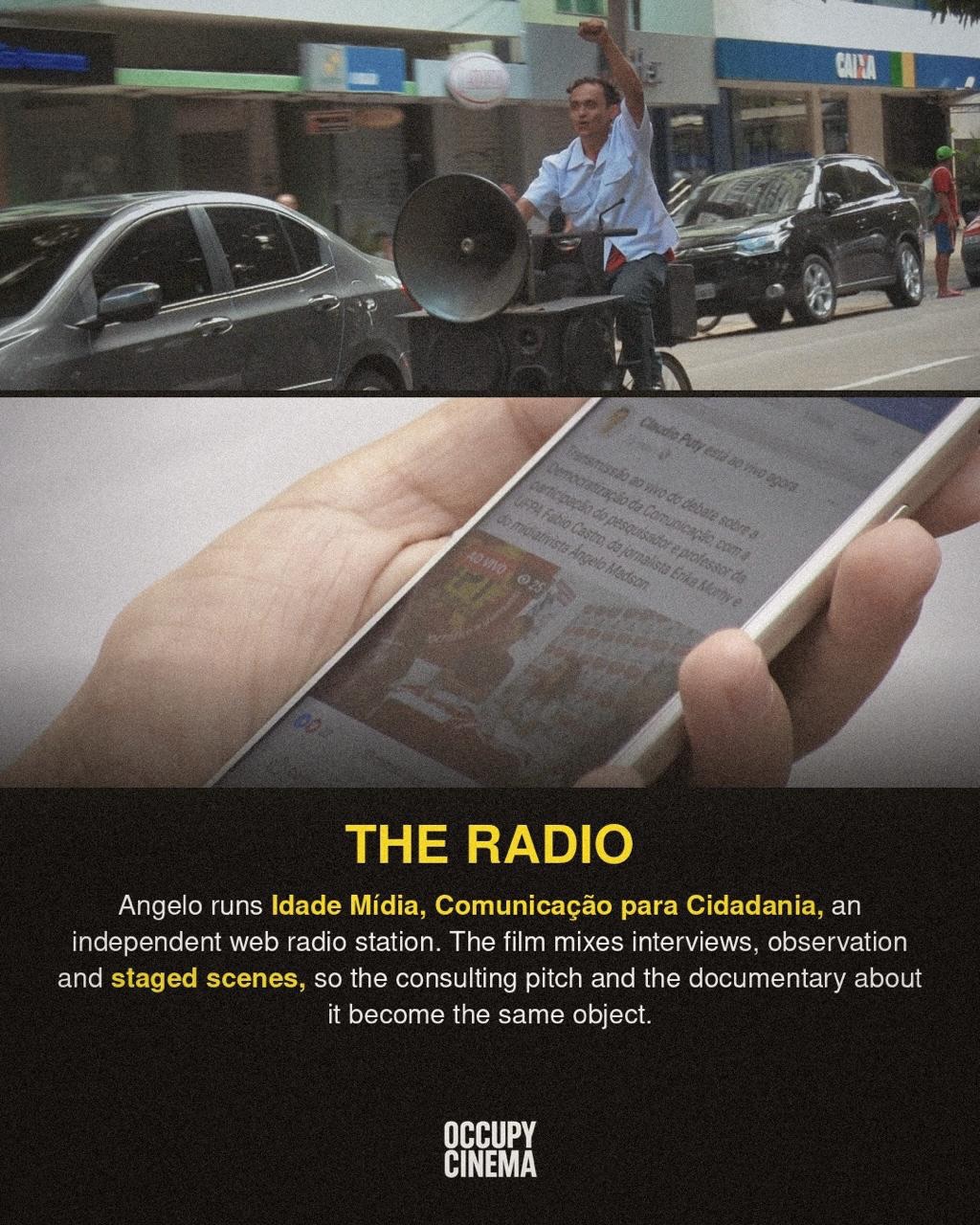
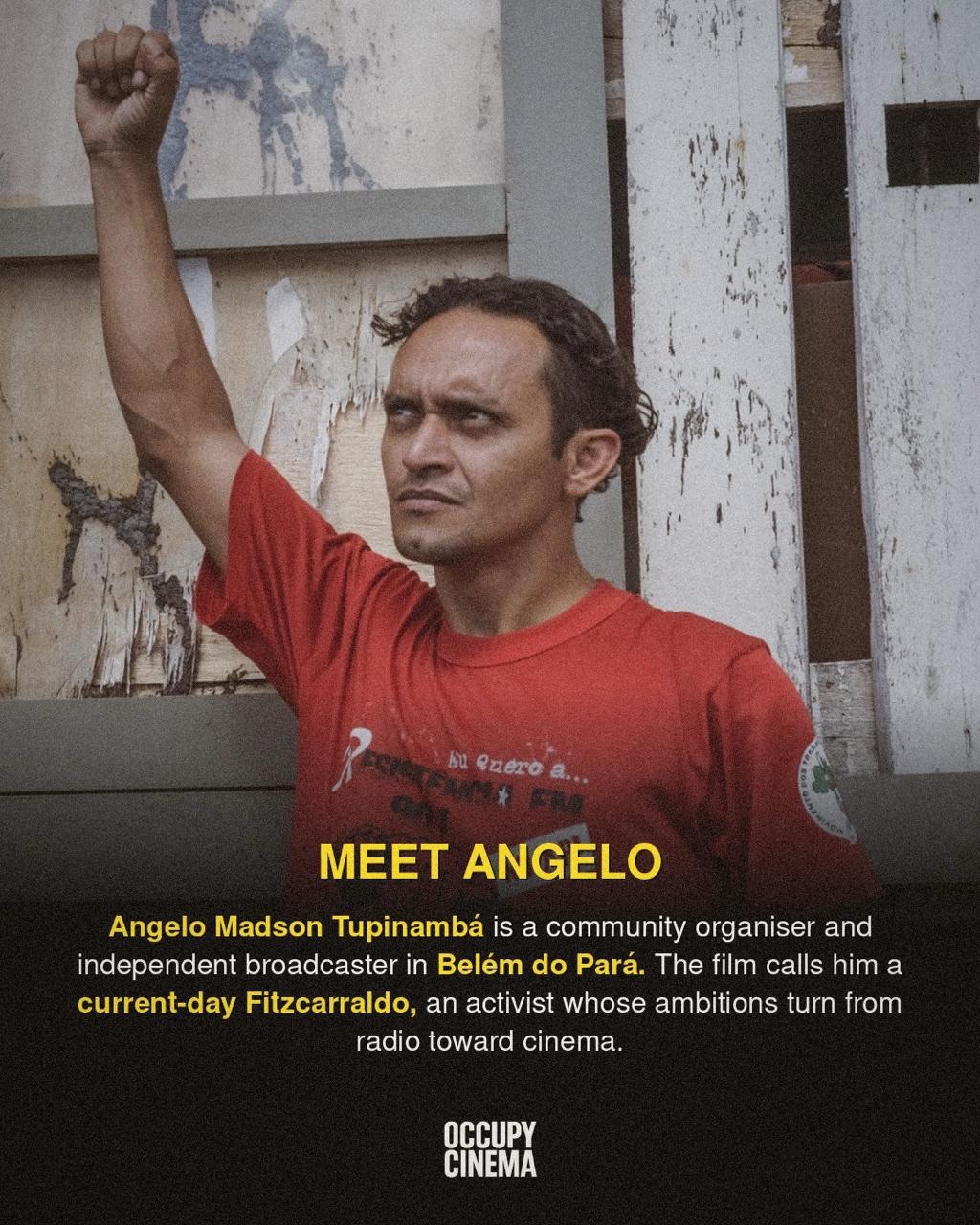
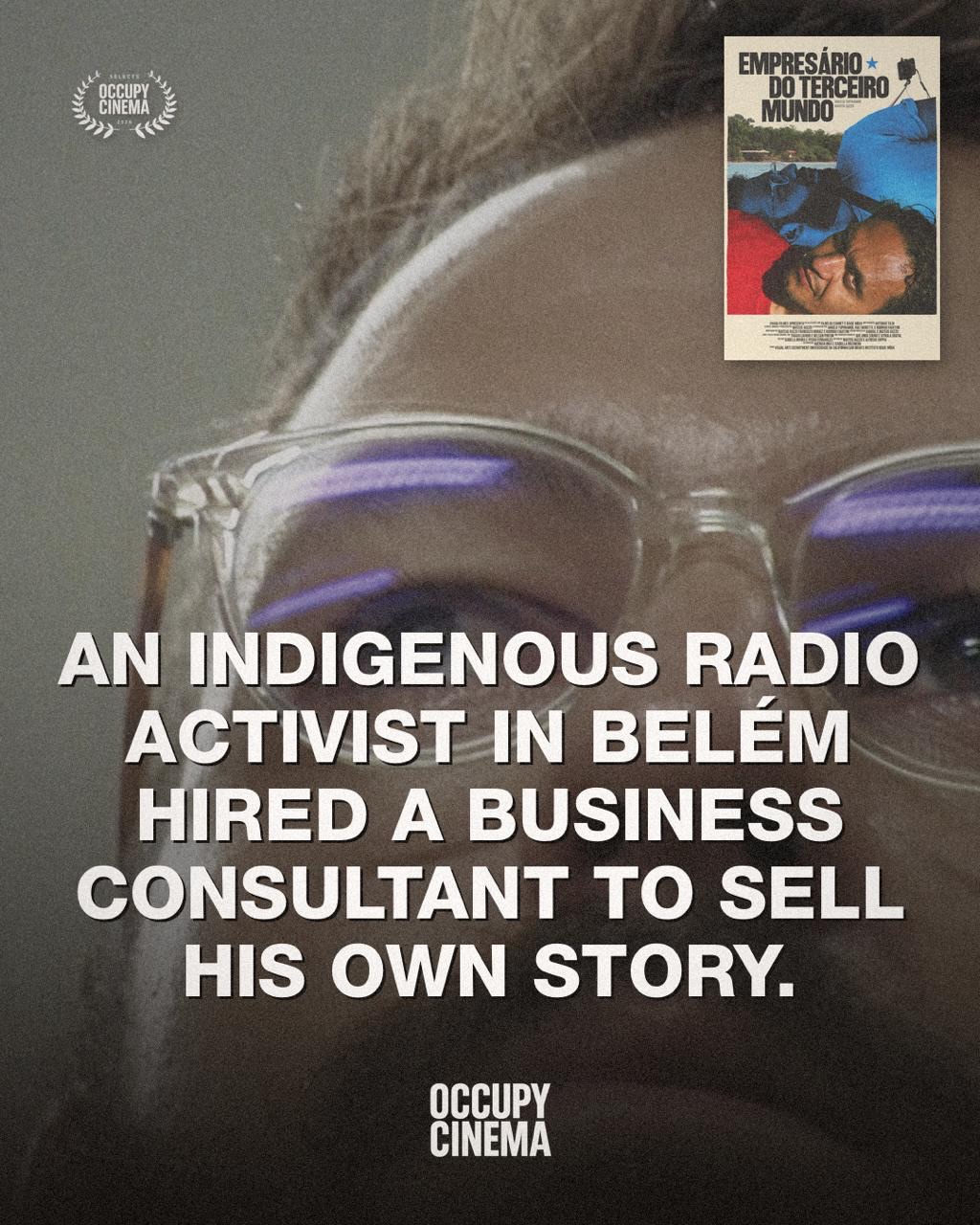
The narrative centers on Idade Mídia, Comunicação para Cidadania, an independent web radio station operating as a vital social mouthpiece in northern Brazil. Spearheaded by Tupinambá, an Indigenous media organizer with relentless vision, the station serves local communities often ignored by mainstream Brazilian outlets. However, following a presentation at a regional entrepreneurship summit in Belém, Tupinambá makes a pragmatic decision. He decides to take the activist station to the corporate market, seeking capital, scalability, and long-term institutional survival.
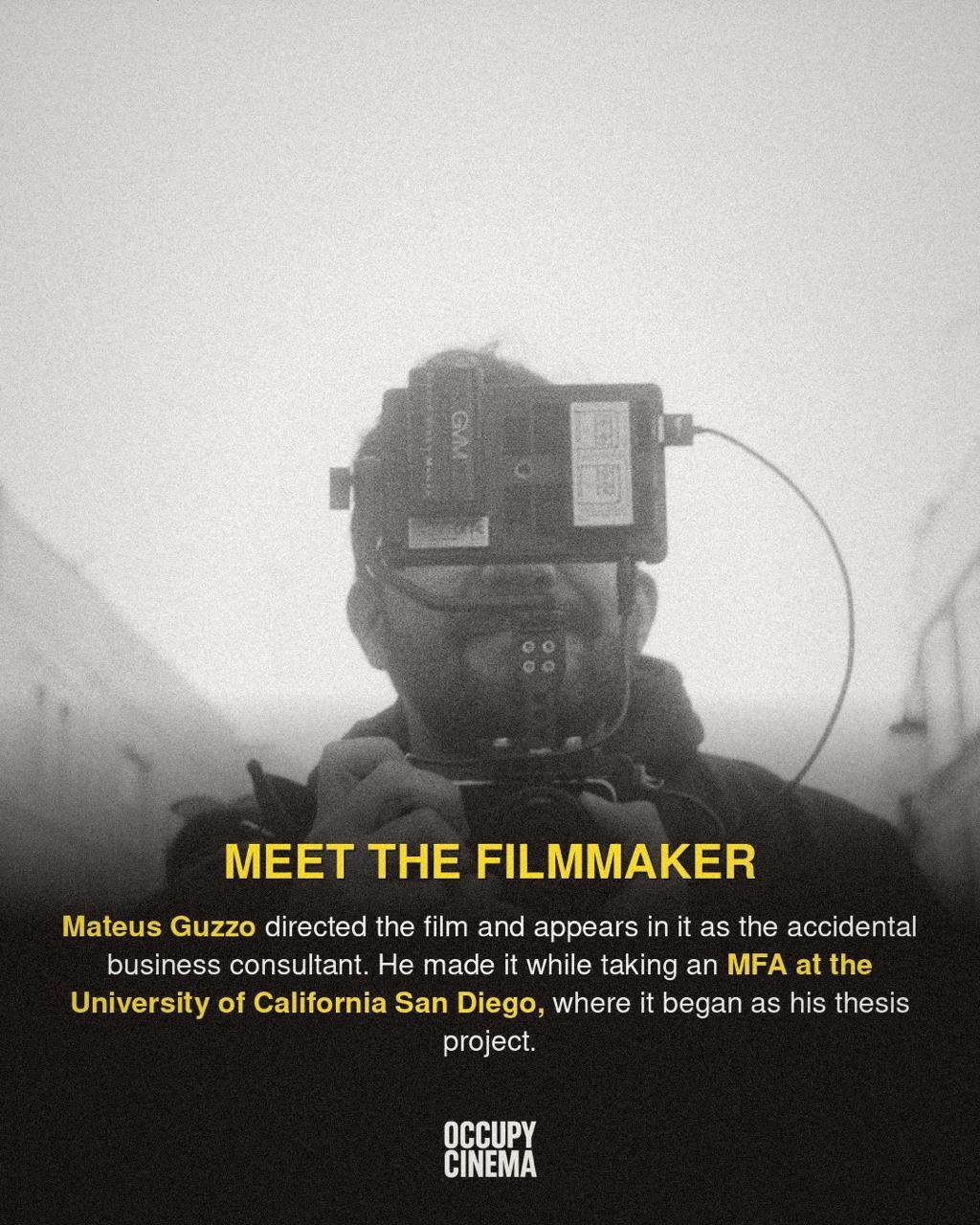
Guzzo enters the narrative not merely as a distant observer behind a camera, but as an accidental business consultant. While completing his Master of Fine Arts degree at the University of California San Diego, Guzzo began collaborating with Tupinambá to structure a viable business pitch. What emerged from this collision of activist ambition and academic theory is a tight, self-reflexive work where the consulting pitch and the documentary detailing that pitch become the exact same object.
The resulting 65-minute feature openly plays with the visual language of modern ethnographic cinema and corporate promotional media. It consciously echoes the manic ambition of Werner Herzog's 1982 epic Fitzcarraldo, though with a crucial modern twist. Where Herzog documented a European rubber baron attempting to drag a steamship over a mountain to build an opera house in the jungle, Guzzo documents an Indigenous activist trying to haul an independent radio station into the digital marketplace. The obsession remains equal, but the stakes are grounded in contemporary media equity. Industry outlets like IndieWire have long tracked how hybrid non-fiction storytelling continues to push past classical documentary bounds, and this project stands as a textbook example of that evolution.
Capital, Colonialism, and the Amazonian Pitch
Originating as Guzzo's MFA thesis project at UC San Diego, the film avoids the navel-gazing traps common to university production labs. Instead, it uses its academic background to interrogate the language of corporate incubators, venture capital decks, and buzzword-heavy pitch competitions. When Tupinambá steps into entrepreneurship spaces, the camera captures the stark dissonance between community activism and corporate metrics. Investors demand key performance indicators and monetization strategies, while Tupinambá talks about political empowerment and territorial defense.
Visually, the film rejects exoticized tropes of the Amazon. There are no sweeping aerial shots of untouched rainforest set to dramatic orchestral scores. Instead, Guzzo frames Belém as a dense, kinetic urban hub of digital infrastructure, street traffic, and makeshift broadcast studios. Handheld digital cameras capture high-contrast street light and crowded meeting rooms, emphasizing the tactile reality of modern northern Brazil. The editing weaves seamless transitions between direct interviews, observational footage, and clearly staged re-enactments where Guzzo and Tupinambá rehearse corporate pitches.
The micro-budget structure of the film reflects the very scarcity it depicts. Rather than waiting for traditional state film funds or broadcast presales, Guzzo built the film out of immediate necessity. This guerrilla approach proved effective on the festival circuit, earning a spotlight at the Festival de Cinema da Amazônia, Olhar do Norte. As reported by festival tracking platforms across Variety, regional film festivals across Latin America are increasingly prioritizing works that address local media production and environmental politics through non-traditional formats.
The Hybrid Meta-Documentary as Political Tool
By blending real social activism with staged business negotiations, the film joins a long history of Brazilian meta-cinema. It borrows from the confrontational spirit of Cinema Novo and the direct observational methods of figures like Eduardo Coutinho, while adapting those traditions for the digital creator economy. The film never reveals exactly where reality ends and performance begins. When Tupinambá delivers a polished elevator pitch to potential investors, the audience is left to wonder whether he is genuinely seeking venture capital or staging a grand satirical performance on the commodification of social movements.
That ambiguity is precisely where the power of the film lies. Activist organizations across the Global South face ongoing pressure to adopt corporate language simply to secure basic grant funding. By turning the consulting process into the narrative engine of a movie, Guzzo and Tupinambá expose the absurdity of forcing community defense projects into startup templates. The business pitch becomes both a practical attempt at financial survival and a sharp critique of the financial systems governing independent media.
As trade coverage in outlets like The Hollywood Reporter frequently demonstrates, global audiences and distributors are seeking fresh perspectives that break away from conventional documentary structures. Guzzo's work delivers exactly that, proving that a lean runtime and a sharp conceptual hook can yield far more insight than a lavishly budgeted traditional feature.
Ultimately, this 65-minute docu-fiction stands as a crucial artifact of contemporary Brazilian cinema. It demonstrates that the camera in the Amazon is no longer an extractive tool used by visiting filmmakers to capture picturesque isolation. In the hands of creators like Guzzo and activists like Tupinambá, the camera becomes an active participant in regional media strategy, proving that the struggle for economic power is inextricably bound to the struggle over who controls the narrative.