Occupy Cinema › People
The 30-Year Span: How Anthony Hopkins Built Cinema's Most Efficient Acting Legacy
From 16 minutes as Hannibal Lecter to a record, breaking win at 83, Anthony Hopkins' five, decade career remains a masterclass in craft and restraint.
By Occupy Cinema ·
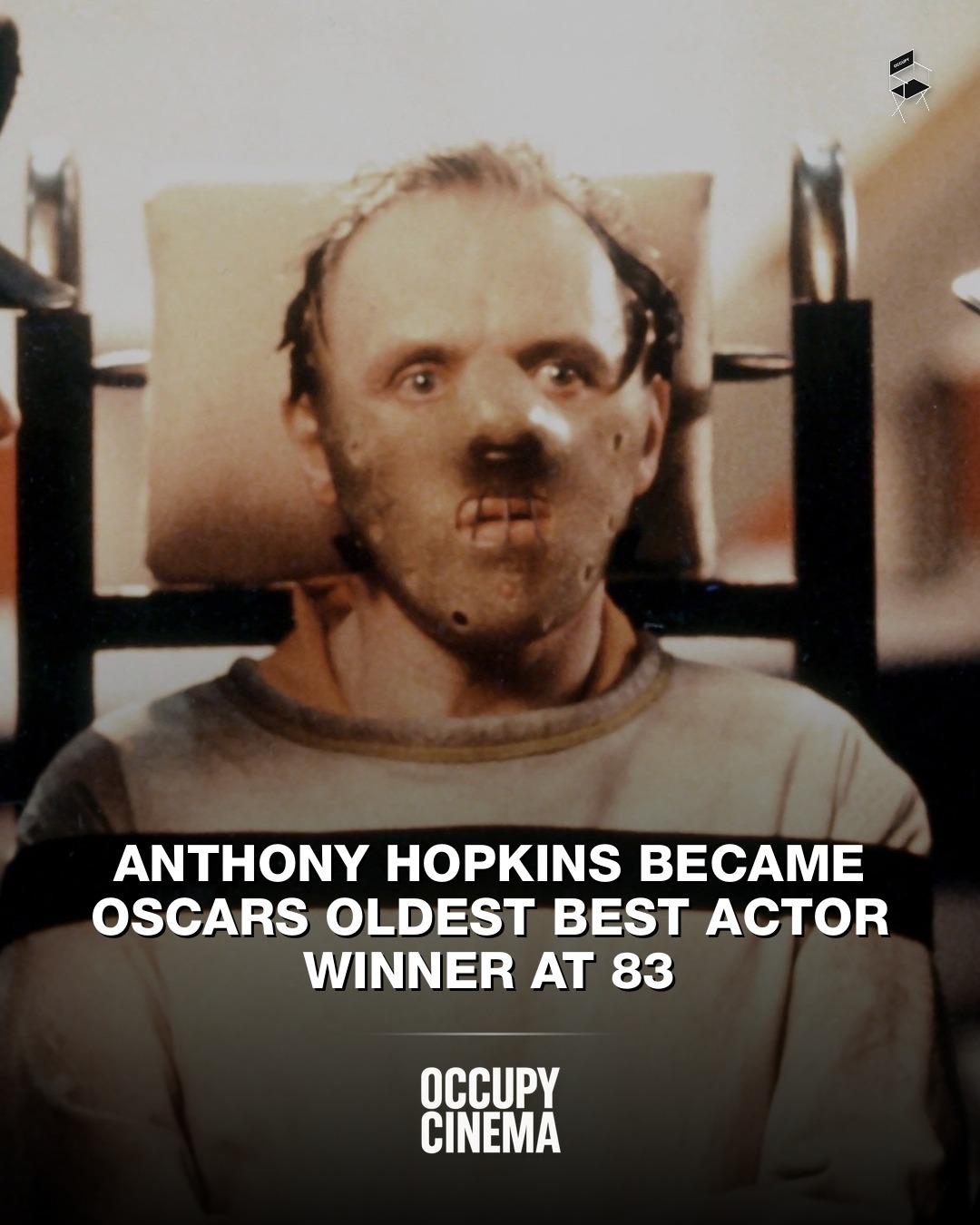
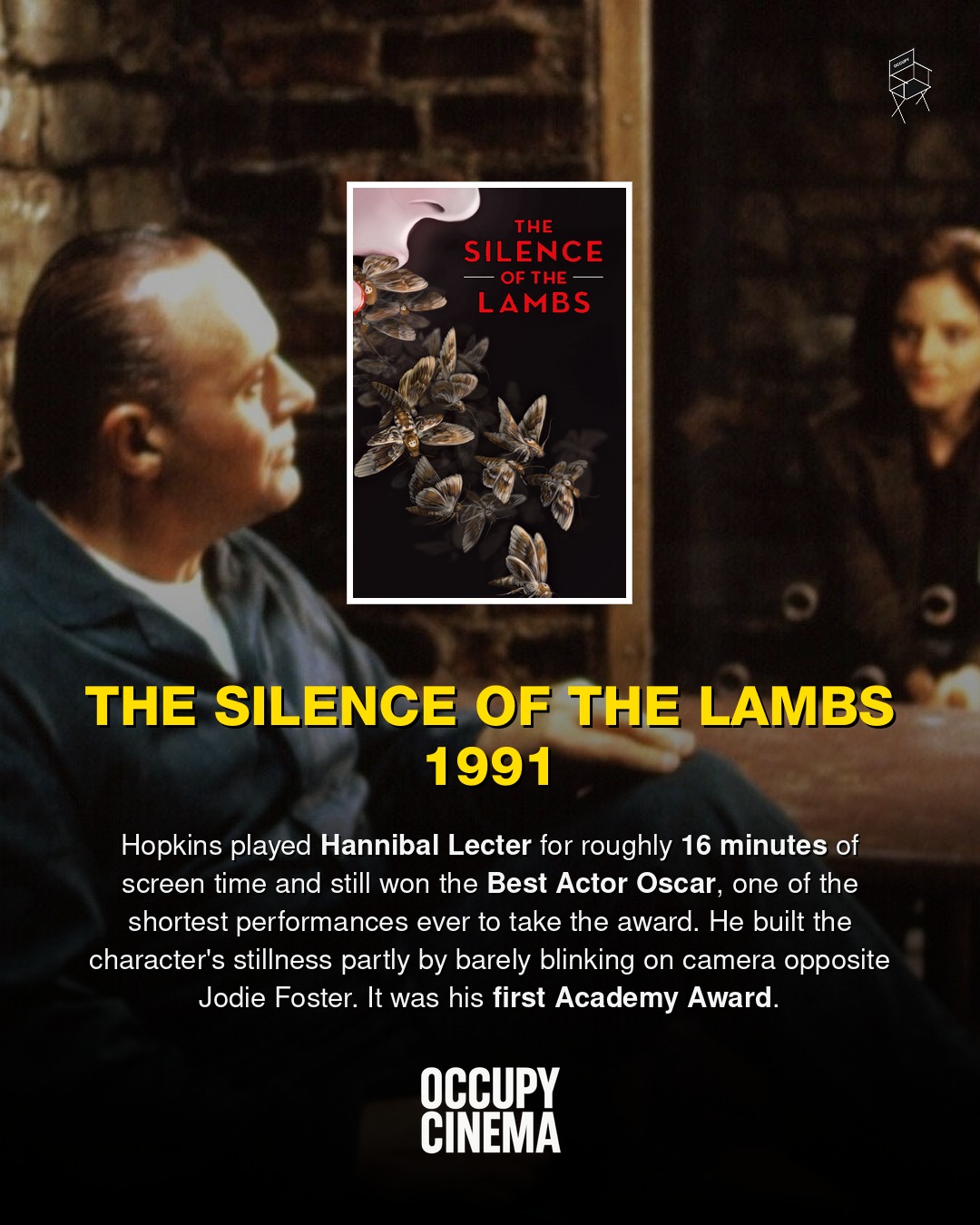
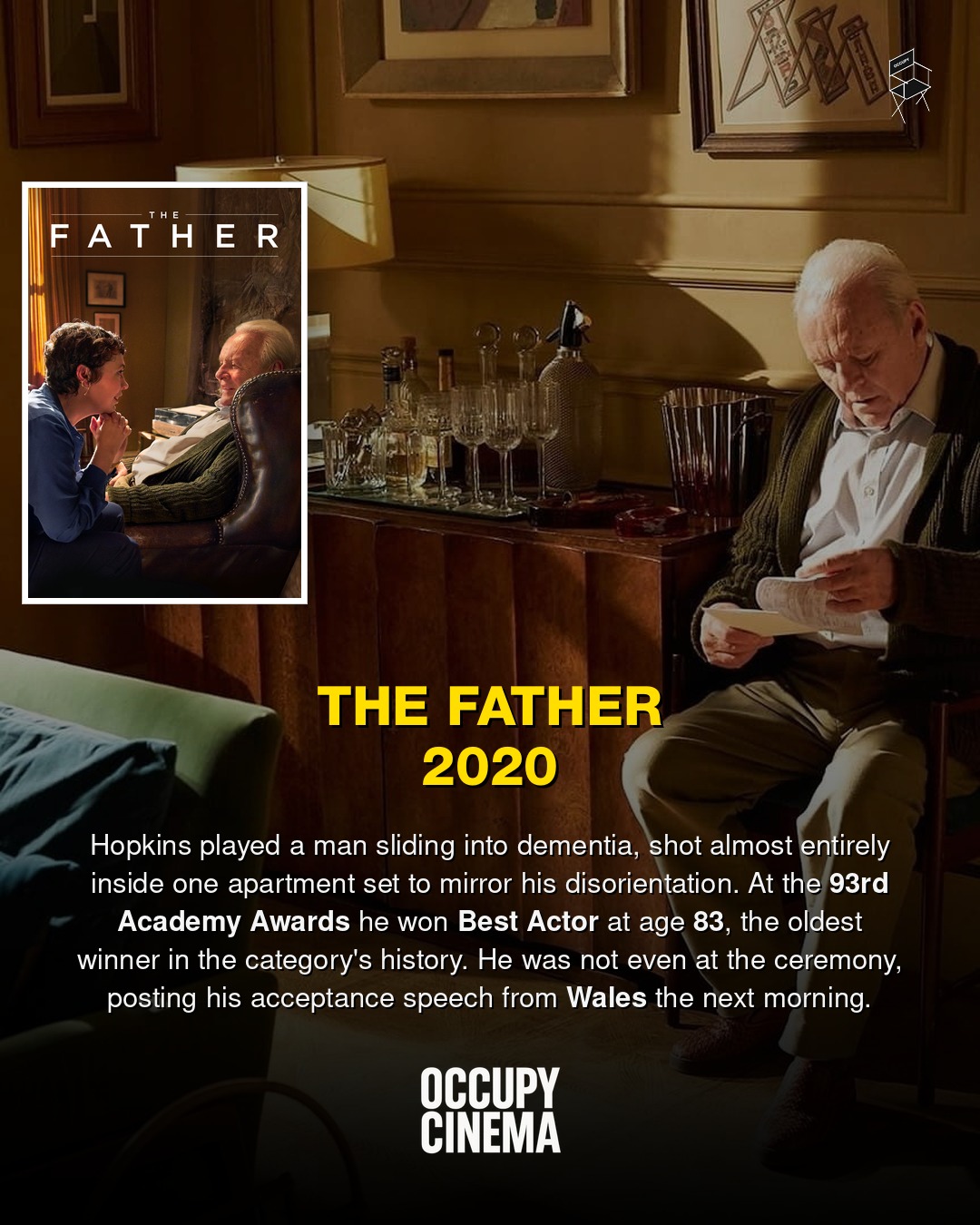
Thirty years standardly marks an entire career cycle in Hollywood. For Anthony Hopkins, it represents the precise window between his first and second Academy Award victories for Best Actor. Winning in 1992 for playing a cannibalistic psychiatrist in Jonathan Demme's The Silence of the Lambs and repeating the feat in 2021 for Florian Zeller's The Father, Hopkins achieved a rare feat in awards history. At age 83, he became the oldest performer to claim the Best Actor statuette, capping a half century run characterized by surgical precision and startling stylistic range.
The efficiency of his first win remains an industry benchmark. Hopkins claimed his lead actor Oscar with approximately 16 minutes of total screen time in a film running 118 minutes. Distributed by Orion Pictures, The Silence of the Lambs earned $272 million globally against a $19 million budget and swept the top five Oscar categories. According to retrospectives in The Hollywood Reporter, Hopkins achieved maximum psychological leverage through stillness, vocal control, and unblinking eye contact. He turned limited real estate into an indelible cultural monolith.
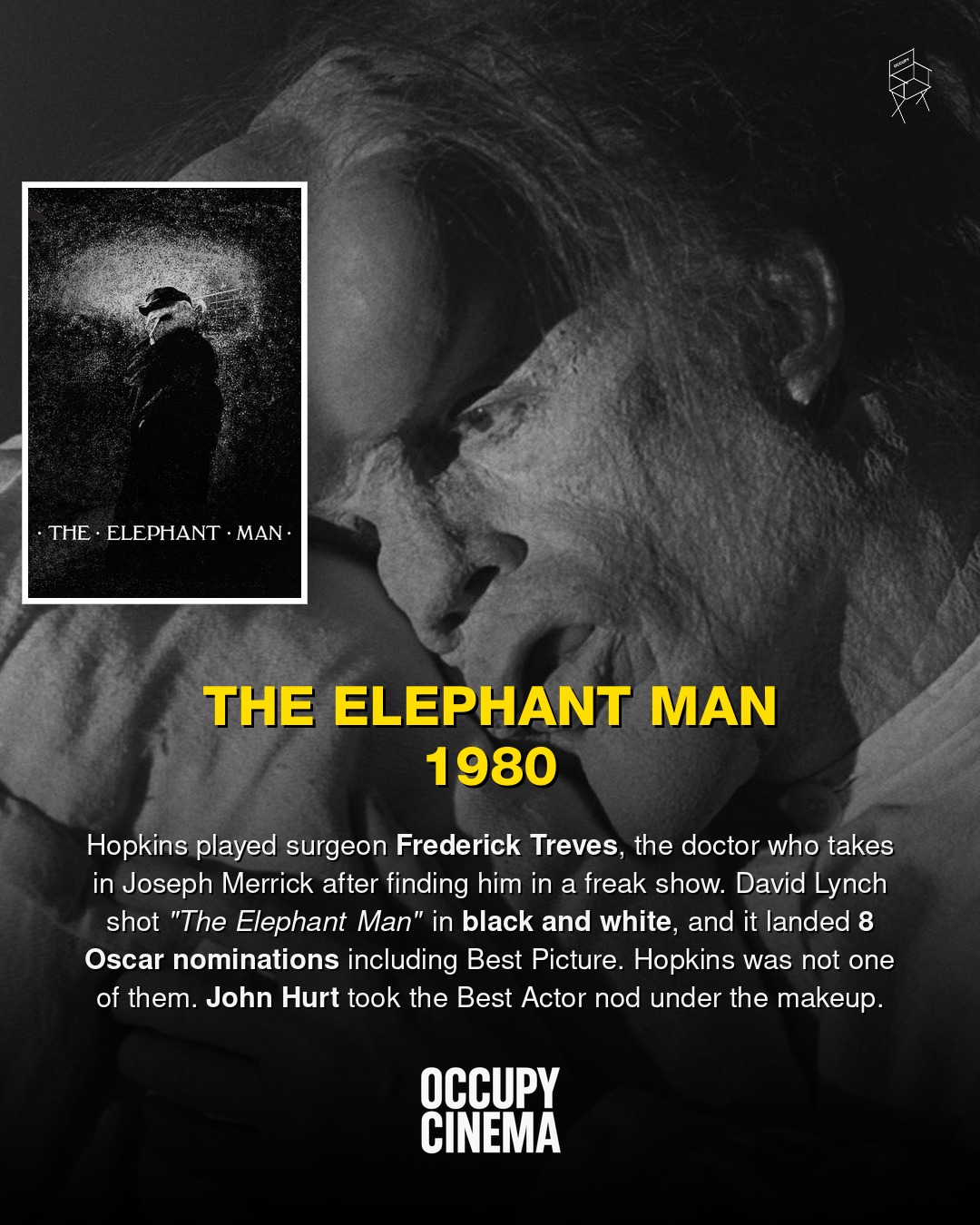
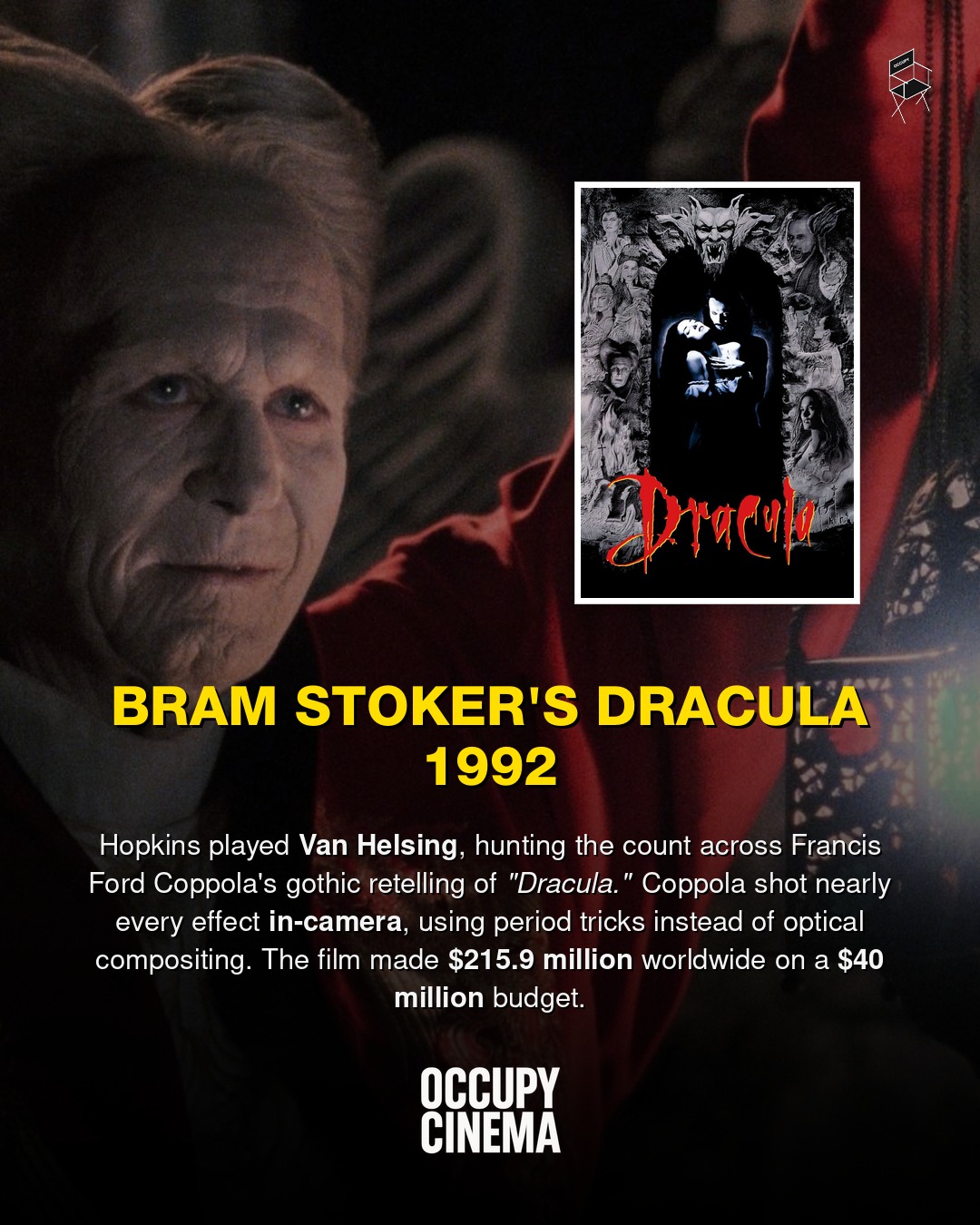
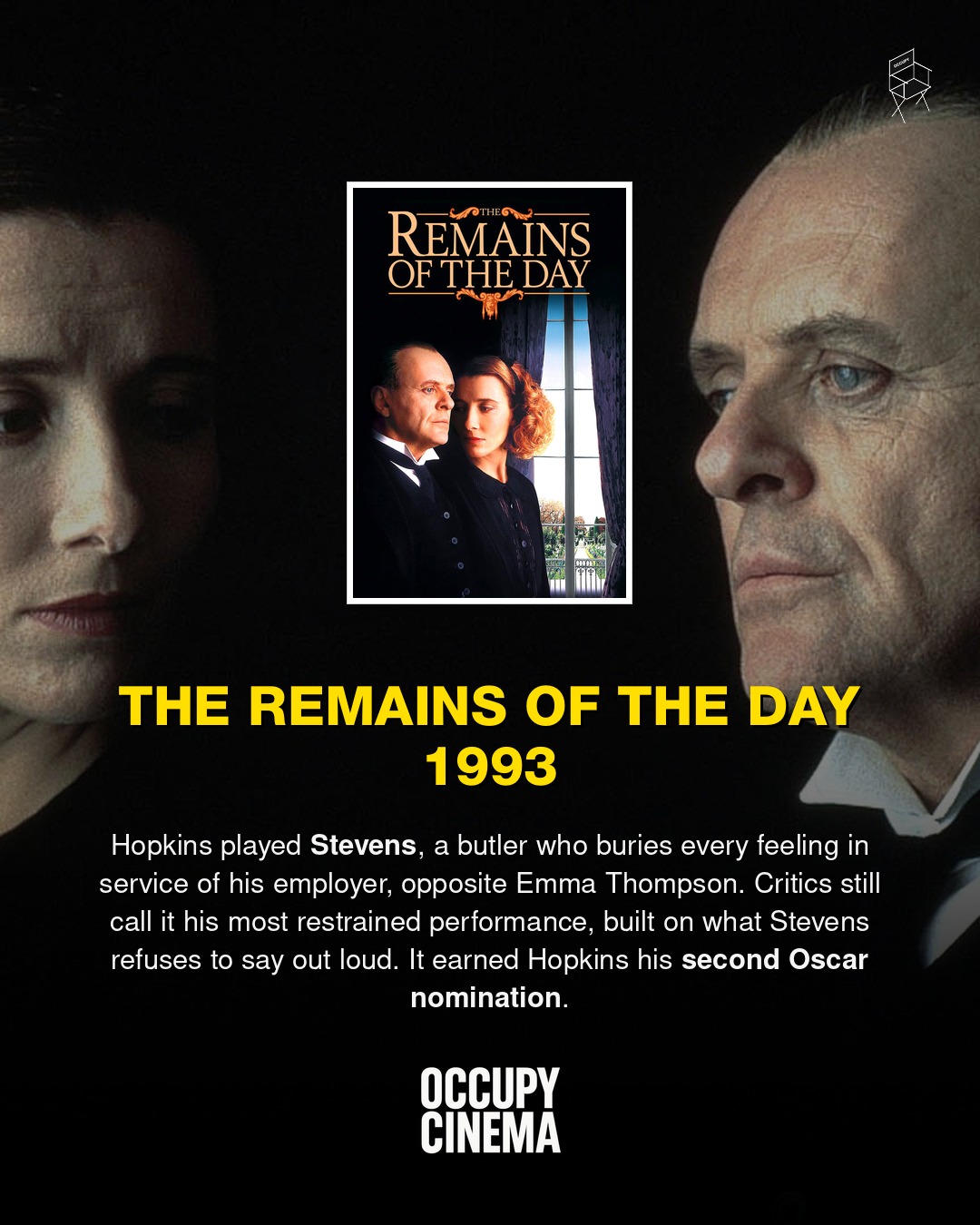
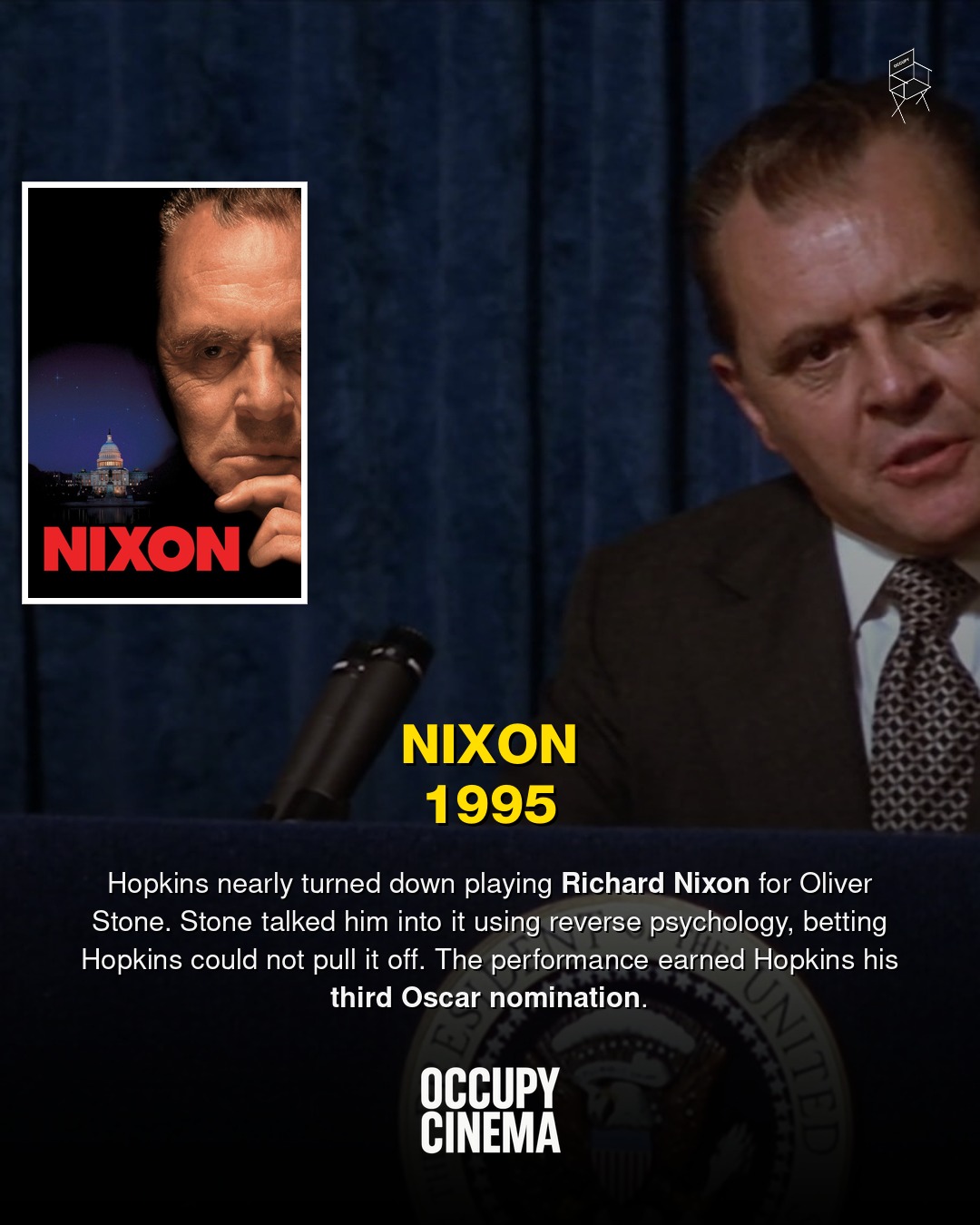
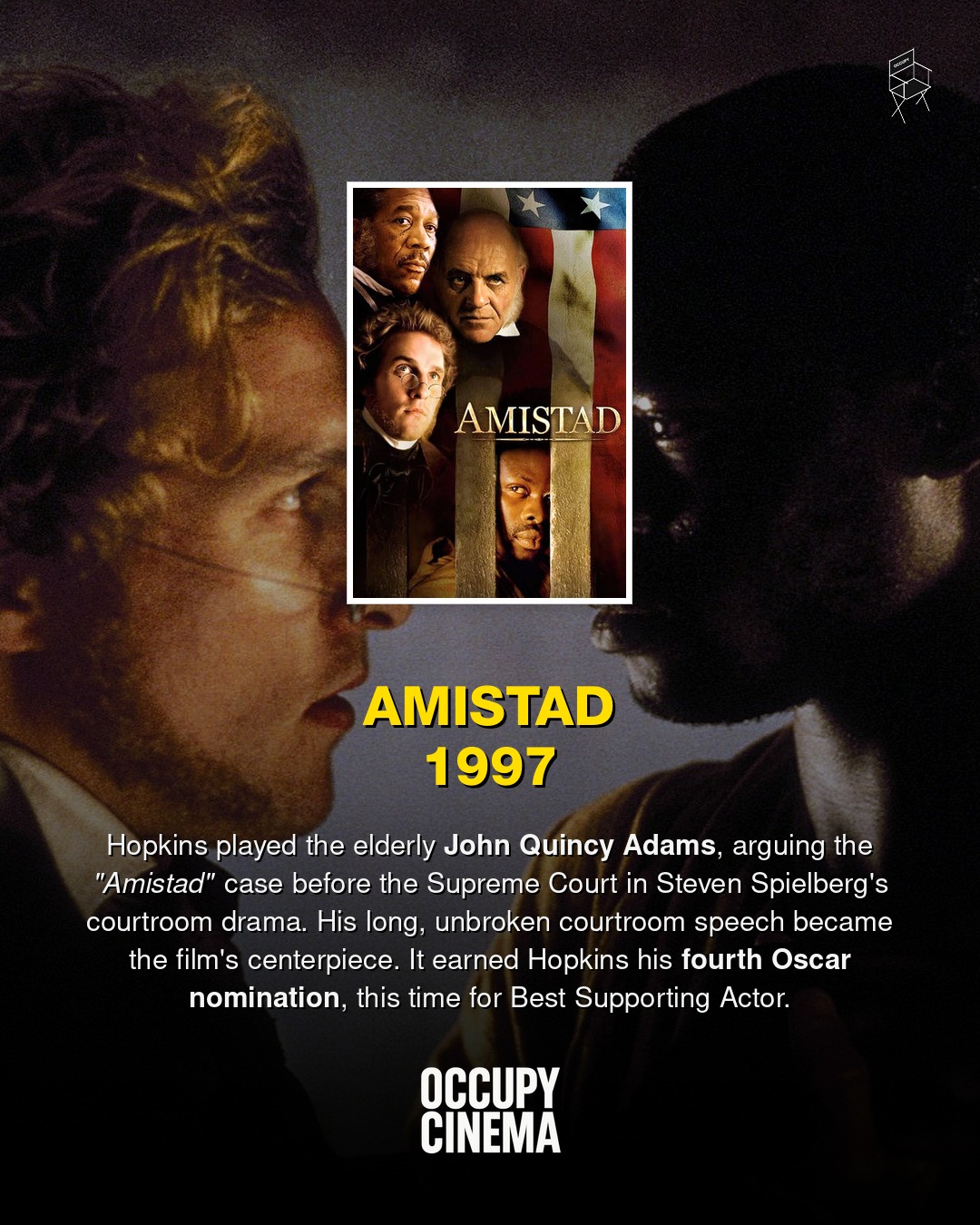
Yet reduction of his career to a single villainous archetype ignores three decades of extreme dramatic variability. Between those bookended Oscar wins, Hopkins built a body of work defined by emotional suppression and structural discipline. He portrayed Dr. Frederick Treves in David Lynch's 1980 drama The Elephant Man, played Professor Abraham Van Helsing in Francis Ford Coppola's 1992 epic Bram Stoker's Dracula, and delivered a masterclass in repression as Stevens in James Ivory's 1993 masterpiece The Remains of the Day. Later, he earned nominations for channeling complex American political figures under Oliver Stone in 1995 with Nixon and under Steven Spielberg in 1997 with Amistad.
Precision Engineering and Minimalist Mastery
The late career renaissance that culminated in The Father proved that Hopkins had refined his technique rather than softened it. Adapted from Zeller's stage play, the Sony Pictures Classics release framed dementia not as a melodramatic teardown, but as a fractured psychological thriller. Playing an elderly man losing his cognitive anchor, Hopkins stripped away standard performance ticks. According to coverage in Variety, his work relied on micro, expressions and sudden shifts in cadence to navigate the shifting reality of the apartment set.
Across six Academy Award nominations, Hopkins has consistently avoided the theatrical trap of grandstanding. His process is famously obsessive, reading scripts upwards of 200 times until the lines lose all conscious intent and become muscle memory. This technical rigor allowed him to seamlessly jump between high art house cinema, historical biography, and studio blockbusters like Marvel Studios' Thor franchise. The return on investment for directors has been absolute reliability. He delivers emotional veracity without requiring excessive takes or elaborate method preparation.
The Longevity of Unsentimental Craft
What endures across five decades is Hopkins' total refusal of sentimentality. Where many actors age into comfortable self, caricature, his modern output continues to challenge audience expectations. By claiming his second Oscar nearly three decades after his first, he proved that longevity in modern cinema is not about chasing trends or clinging to youth. It is about an uncompromising commitment to the mechanics of the frame, where a glance or a paused breath carries more narrative weight than pages of dialogue.
Related reading: Apocalypse Now: Final Cut [4K UHD].