Occupy Cinema › Craft
Apple's Foldable iPhone Targets Filmmakers: A New Production Paradigm?
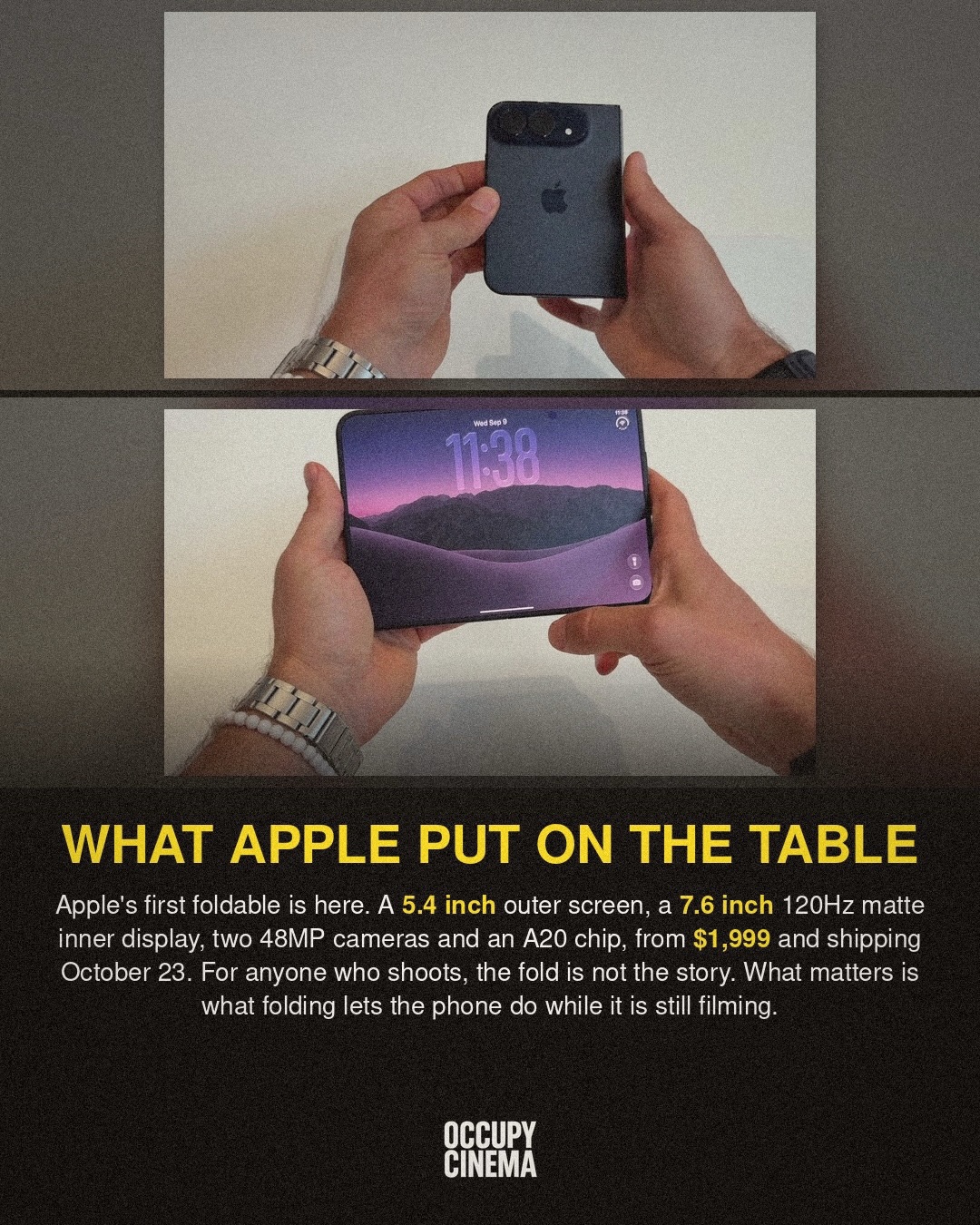
Apple's latest mobile device, the iPhone Duo, introduces features that could redefine phone-based filmmaking, moving beyond workarounds to integrated tools. Its unique hinge and dual-screen configuration offer unprecedented on-set utility.
By Occupy Cinema ·
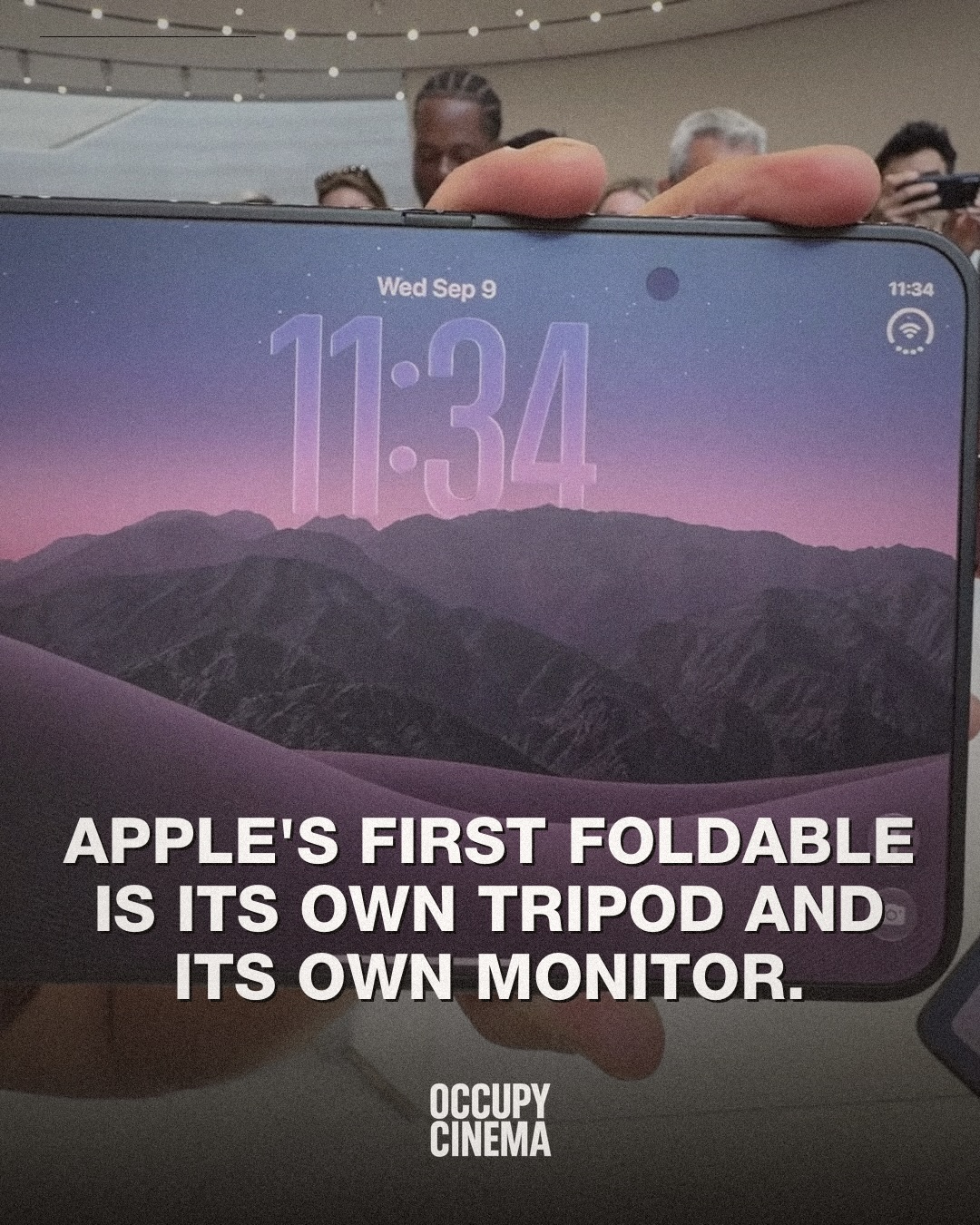
Apple has officially unveiled its new foldable device, dubbed the iPhone Duo, marking a significant entry into a burgeoning mobile category. While the foldable form factor itself garners attention, the real story for filmmakers lies beyond the hinge. This device presents a compelling case for a new era in mobile cinematography, offering integrated tools rather than requiring elaborate workarounds.
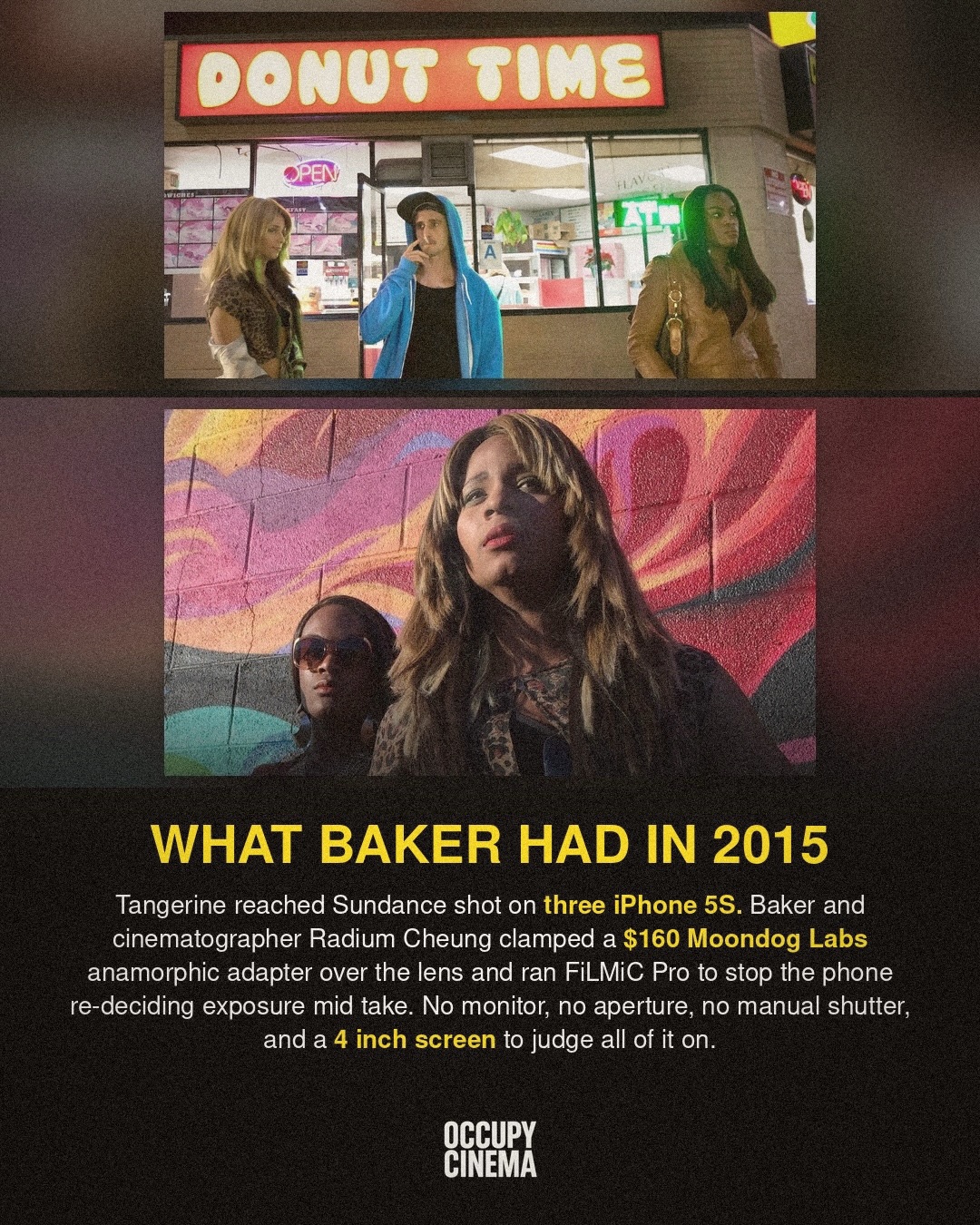
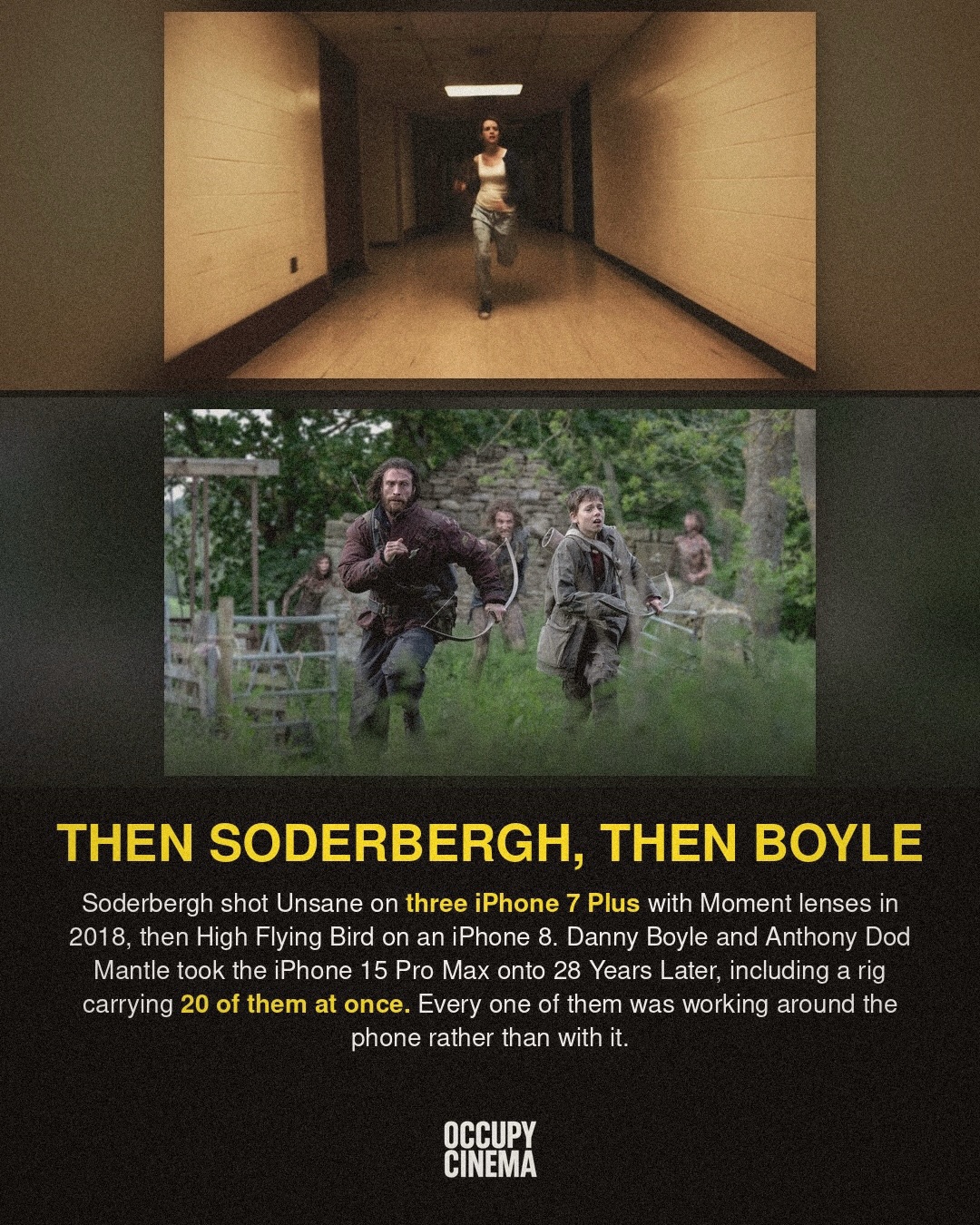
For years, filmmakers have pushed the boundaries of what smartphones can achieve. Sean Baker famously brought Tangerine to Sundance in 2015, shot entirely on three iPhone 5S units. His setup relied on affordable anamorphic adapters and a sheer will to create, demonstrating the raw potential of mobile capture despite significant technical limitations. Similarly, Steven Soderbergh embraced the iPhone 7 Plus for his thrillers Unsane and High Flying Bird, valuing its immediacy and portability. More recently, reports indicate that director Danny Boyle and cinematographer Anthony Dod Mantle are harnessing an array of iPhone 15 Pro Max units for the upcoming 28 Years Later, utilizing complex rigs to achieve their vision. These productions have consistently highlighted the need to adapt and engineer solutions around the inherent constraints of existing phone hardware.
Integrated Design for On-Set Efficiency
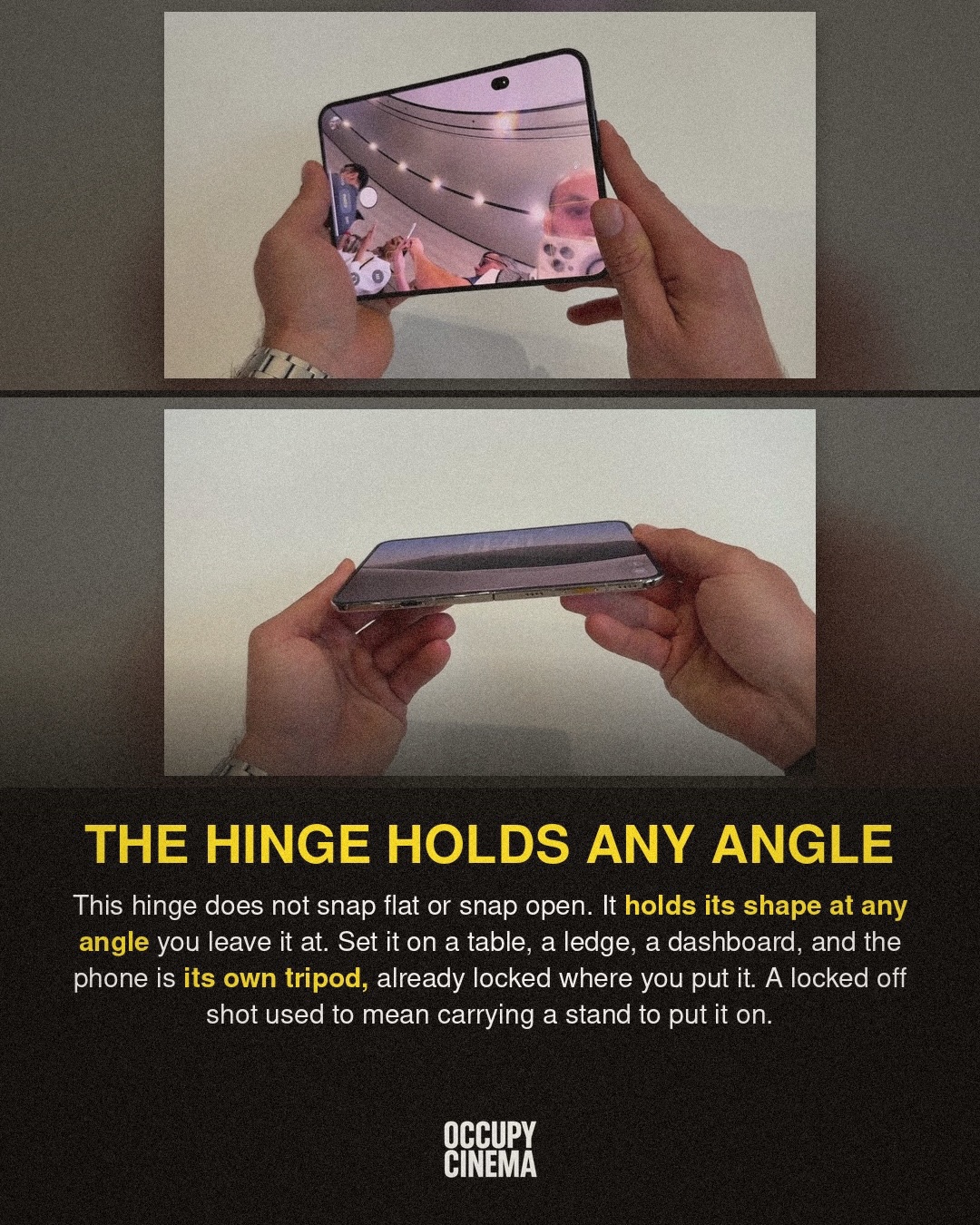
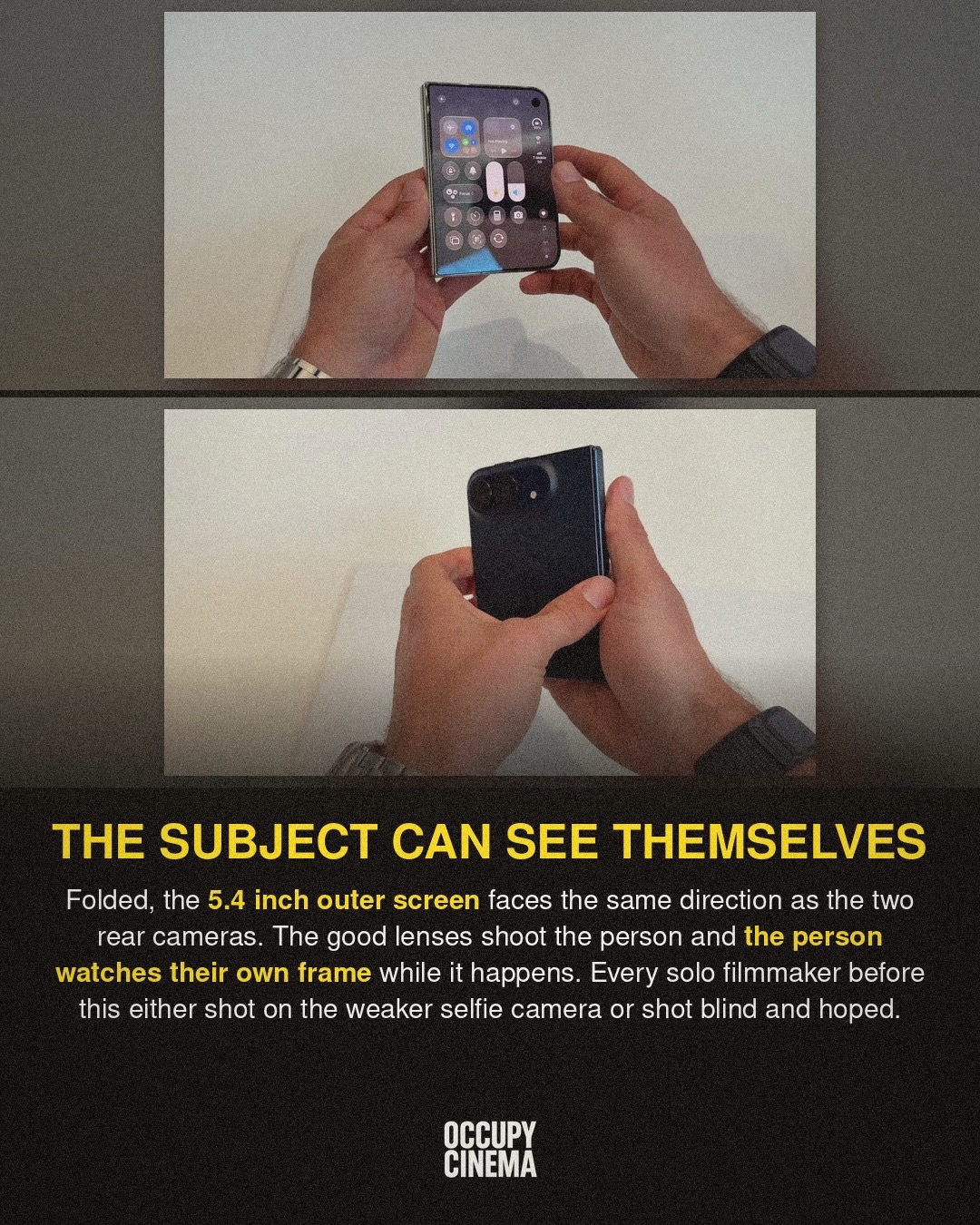
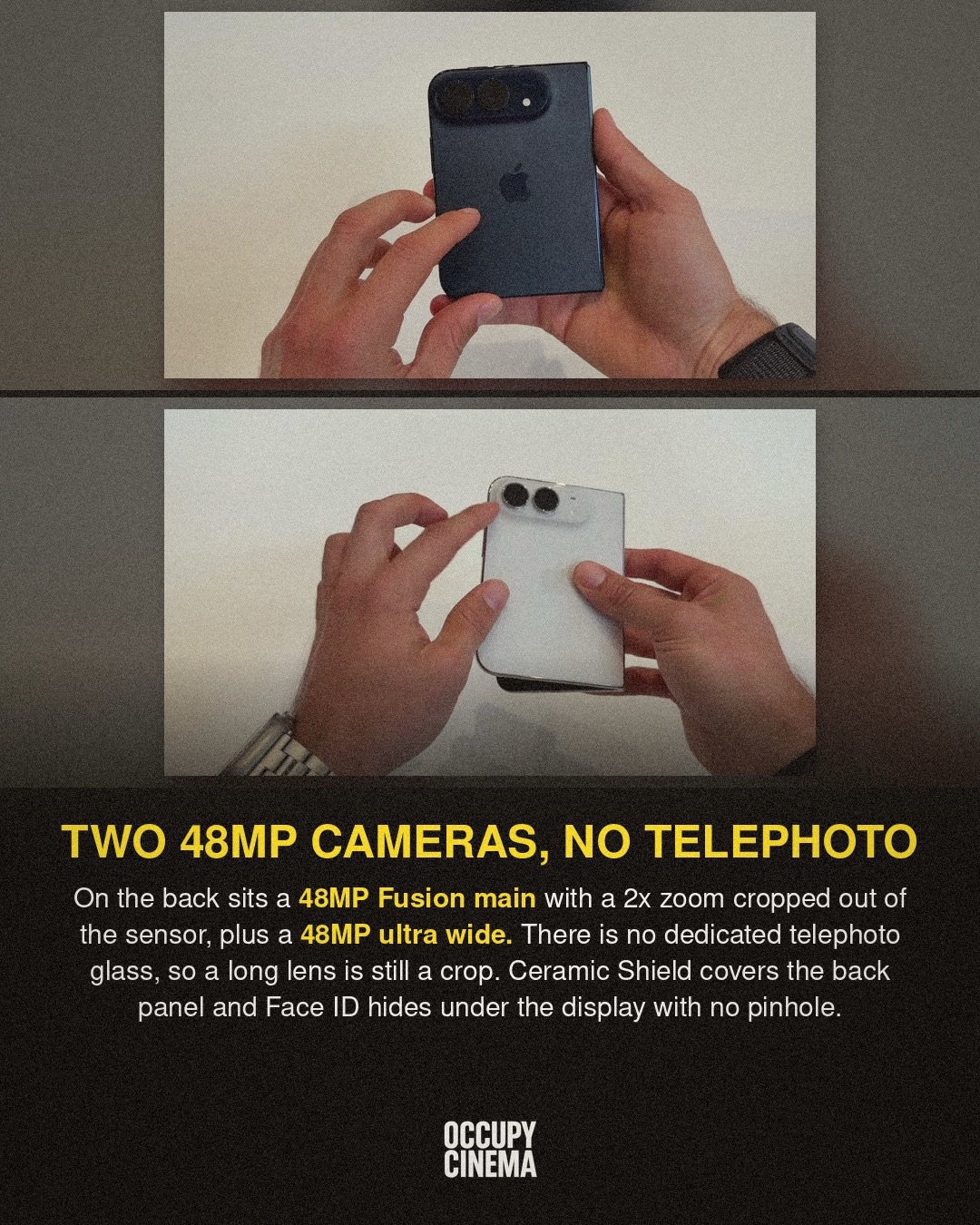
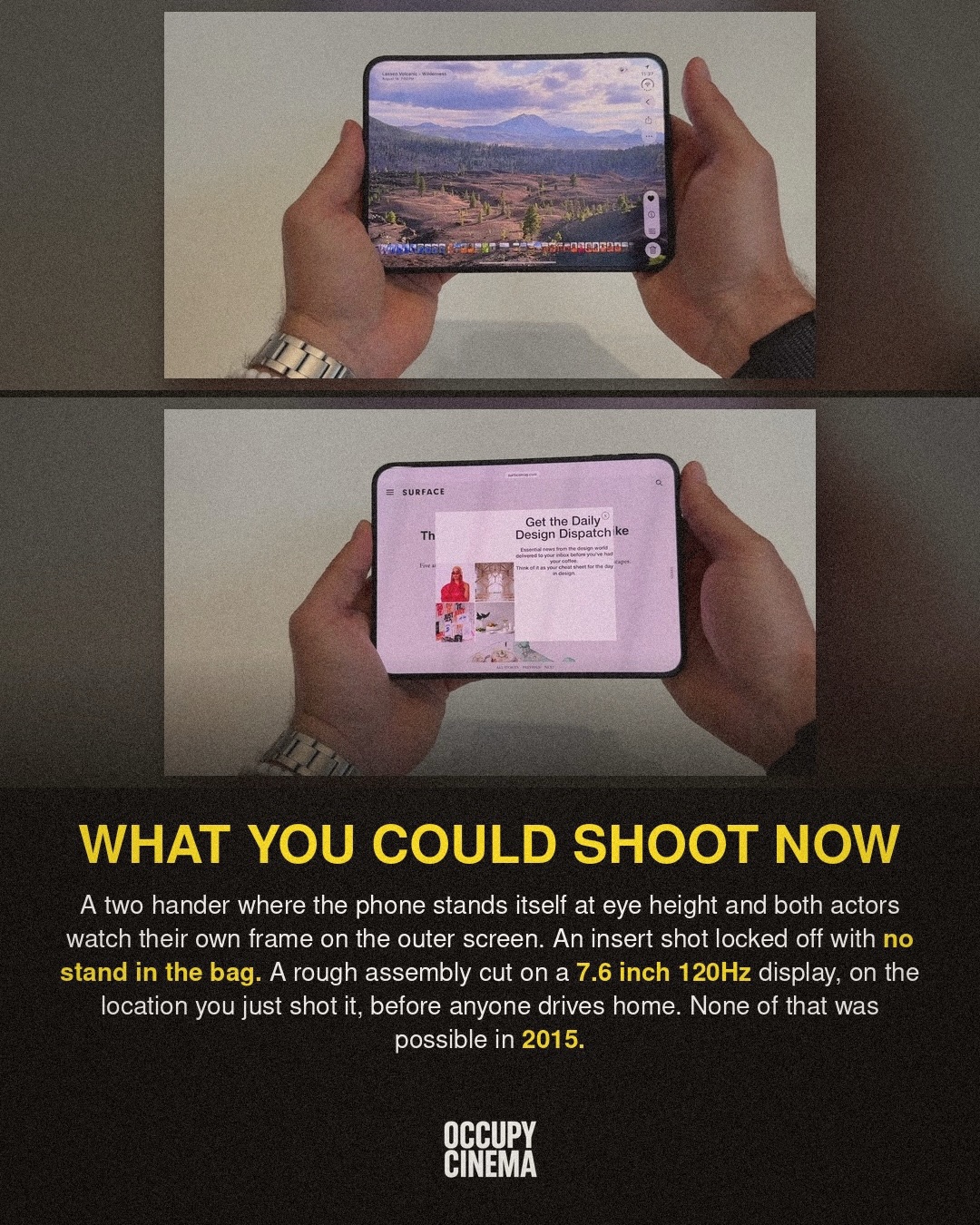
The iPhone Duo shifts this paradigm. Its core innovation for filmmakers is not merely its ability to fold, but how that fold functions. The hinge allows the phone to hold its shape at any angle, effectively transforming the device into its own tripod or monitoring solution. This eliminates the need for external mounts in many shooting scenarios, streamlining setup and reducing bulk. Crucially, when folded, the 5.4-inch outer screen faces the same direction as the device's two 48-megapixel rear cameras. This ingenious design permits subjects to monitor their own framing in real-time, directly from the primary camera perspective. Such a feature could revolutionize quick-turnaround interviews, vlogging, or even low-budget narrative work, providing instant feedback without a separate monitor or operator.
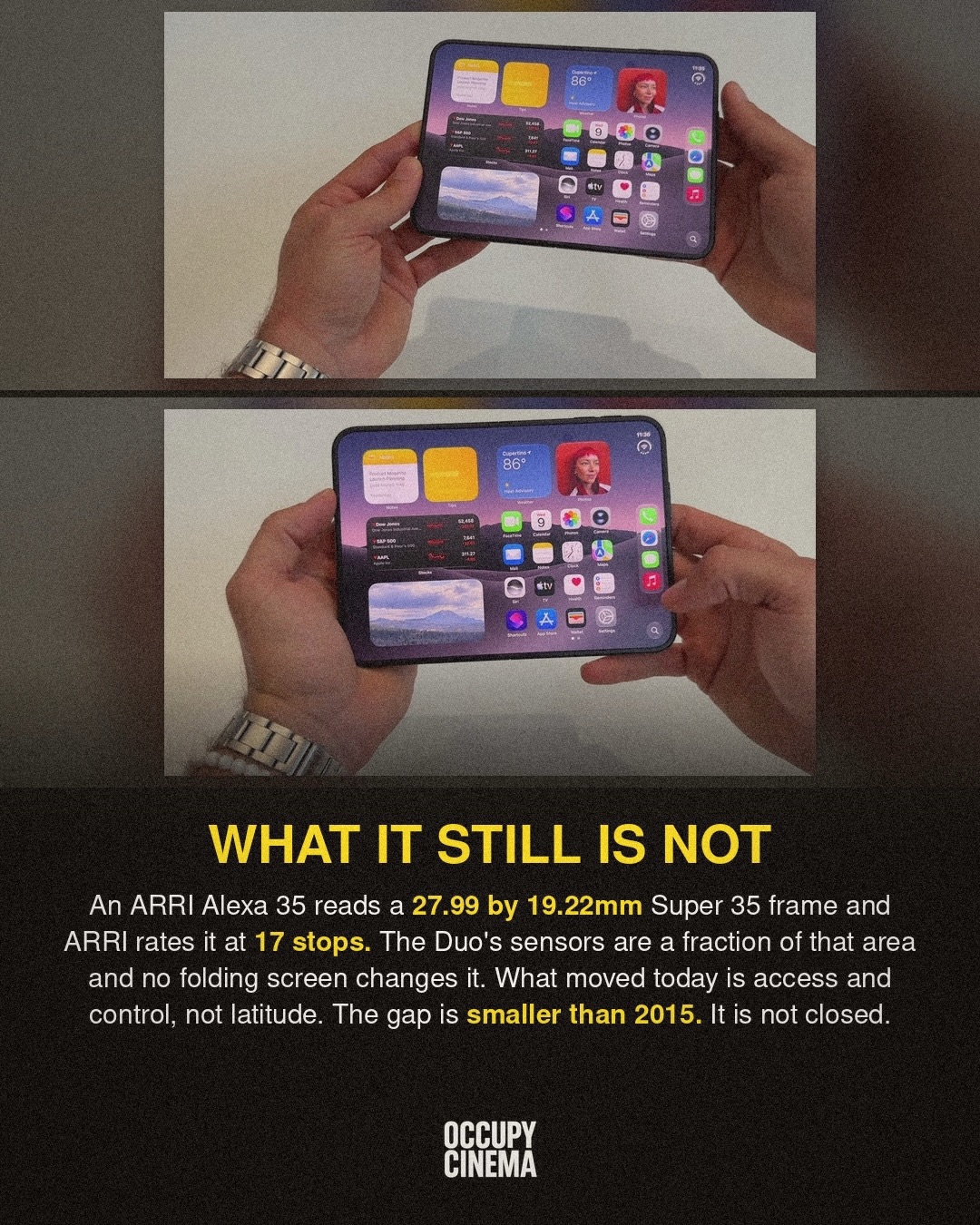
The technical specifications of the iPhone Duo's camera array are formidable. The twin 48MP sensors offer significant resolution and light-gathering capabilities, leveraging Apple's computational photography prowess. While these sensors do not replicate the large format of professional cinema cameras, they continue to narrow the gap. For context, an ARRI Alexa 35 sensor measures approximately 27.99 by 19.22mm, a Super 35 standard. Mobile sensors remain smaller, but advancements in optics and image processing mean the qualitative difference in final output is less pronounced than raw sensor size might suggest, particularly for projects destined for digital distribution or smaller screens.
The Business of Mobile Cinematography
The broader implications for the entertainment industry are substantial. Lowering the barrier to entry for high-quality image capture democratizes filmmaking, empowering more creators with powerful tools. Independent filmmakers and documentary crews stand to benefit immensely from the reduced equipment footprint and cost. Studios and production companies may also find value in the Duo for B-roll, BTS content, or even specific narrative sequences where discretion or agility is paramount. The increasing integration of high-fidelity cameras into consumer electronics means that what was once a specialized tool is now a ubiquitous one, forcing a re-evaluation of production pipelines and workflows.
This is not to say that the iPhone Duo will replace dedicated cinema cameras on major productions. The ARRI Alexa and RED Komodo still dominate high-end feature films and prestige television for their dynamic range, color science, and robust ecosystem of lenses and accessories. However, the Duo represents a significant step towards a future where mobile devices are not just a last resort, but a considered choice for their unique advantages. Its design reflects an understanding of practical on-set needs, moving beyond simply capturing an image to facilitating the entire capture process. The era of working around the phone may be giving way to working with it, more intimately and effectively than ever before.