Occupy Cinema › People
Listening as Weapon: Inside Denzel Washington's Performance Philosophy
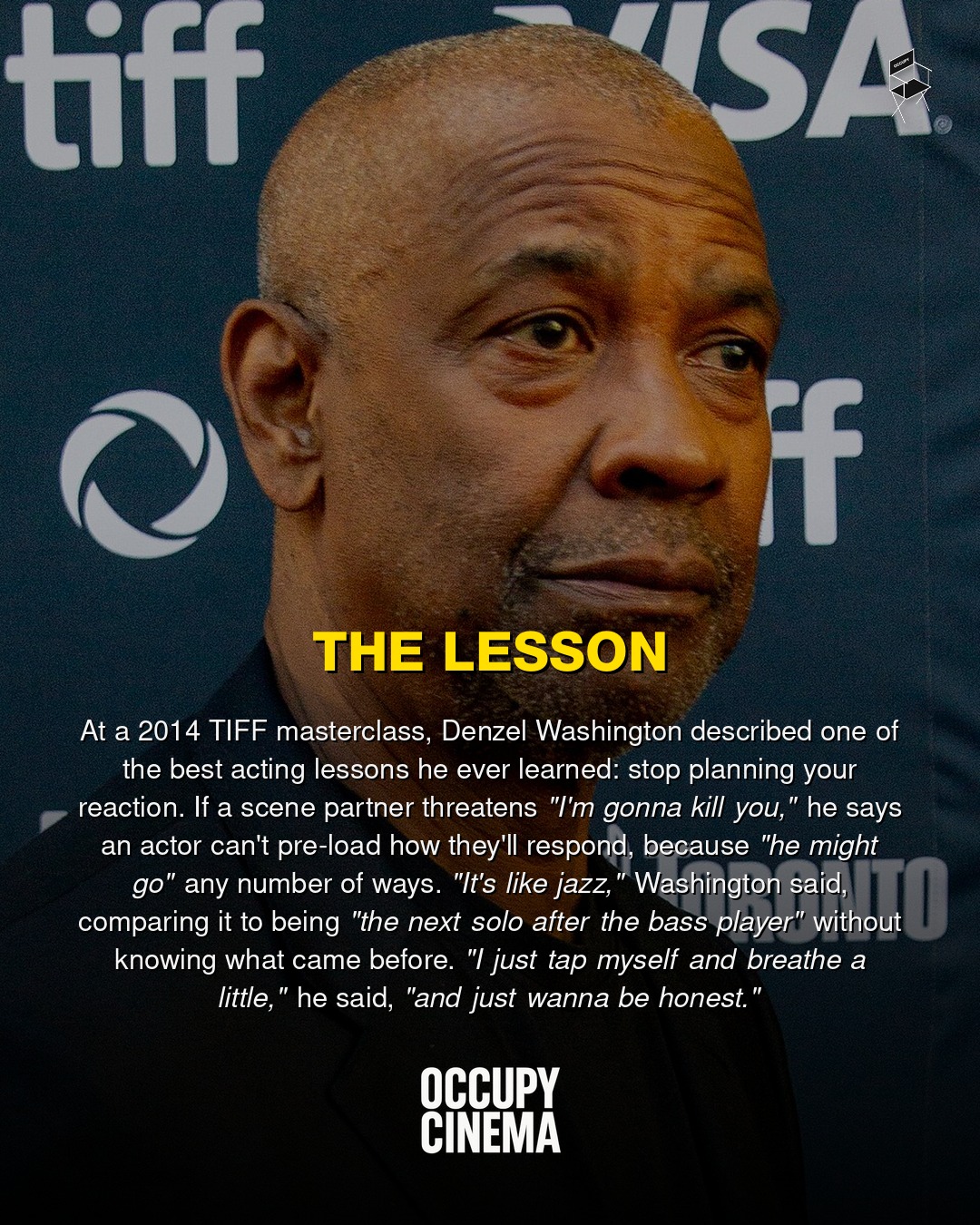
At a Toronto International Film Festival masterclass, Denzel Washington broke down why anticipating a scene partner destroys dynamic acting on camera.
By Occupy Cinema ·
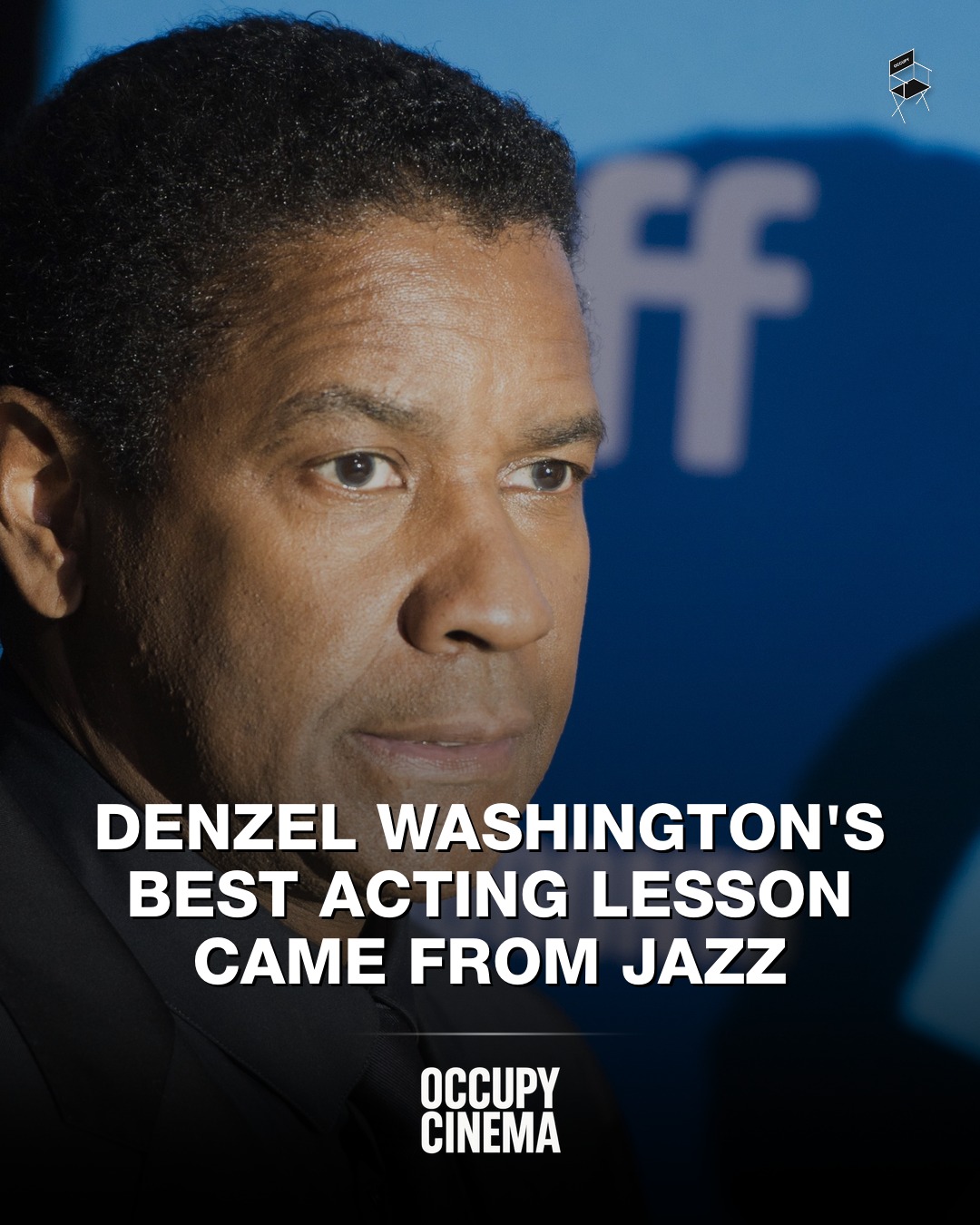
Denzel Washington remains one of the few contemporary movie stars who commands absolute box office authority while maintaining pristine critical prestige. With two Academy Awards and over three decades of leading roles behind him, his presence on screen is built on an immovable sense of truth. Yet at a masterclass during the Toronto International Film Festival, Washington stripped away the mythology of performance technique to highlight a surprisingly simple rule. The key to dynamic screen acting is not masterful preparation of your own lines, but absolute surrender to what your scene partner gives you in the room.
During the session, Washington warned against pre-determining emotional reactions before the camera rolls. If a scene partner delivers a line intended as a threat, planning a calculated response in advance guarantees that the exchange will feel rehearsed and hollow. The moment the other actor alters their tempo, tone, or physical posture, a pre-packaged choice collapses. Washington compared the acting process to playing jazz, specifically taking the solo immediately after the bass player. An artist cannot decide how to play until they have processed every frequency of the note played right before them.
The Mechanics of Real-Time Reaction
This improvisational elasticity is visible throughout Washington's filmography. In his collaborations with director Spike Lee on Malcolm X and Mo' Better Blues, or with Antoine Fuqua on Training Day, his characters operate on a razor-thin edge of active listening. His Oscar winning turn as Alonzo Harris in Training Day relied heavily on unscripted shifts in power dynamics. As documented by Variety in retrospective looks at his career, Washington frequently forces his co-stars to stay present by shifting his energy mid-take, demanding immediate truth rather than polished rehearsal.
Screen acting amplifies micro-expressions that theater audiences might miss from the balcony. Modern high-resolution cinema lenses capture the subtle delay between a line being spoken and an actor processing it. When a performer decides their emotional destination before the take starts, the camera catches the trick every time. The editor's cutting rhythm relies entirely on genuine surprise between characters. If an actor is simply waiting for their turn to speak, the tension on screen vanishes instantly.
Why Rigor Demands Improvisational Freedom
Washington's advice echoes classic acting methodologies, particularly Sanford Meisner's insistence on taking a cue from the other person rather than from the script page. However, applying this mindset to large-scale studio productions requires exceptional discipline. On a set costing hundreds of thousands of dollars per day, the temptation for actors is to rely on safe, pre-calculated choices that guarantee technical accuracy for lighting and focus marks.
Washington's approach requires mastering the text so thoroughly that the dialogue becomes second nature, freeing the performer to focus entirely on the unexpected choices of their partner. It serves as a vital blueprint for directorial trust and editing precision. Great cinema is rarely made by artists executing a rigid plan down to the millimeter. It thrives in the volatile space where two performers listen deeply enough to surprise each other, allowing truth to override preparation every time the camera rolls.
Related reading: Respect for Acting.