Occupy Cinema › Business
Clooney Pans Studio Mergers, Citing Industry Job Losses
George Clooney, speaking at the Venice Film Festival, expressed strong reservations about the potential Paramount and Warner Bros. Discovery merger, highlighting the human cost of industry consolidation.
By Occupy Cinema ·
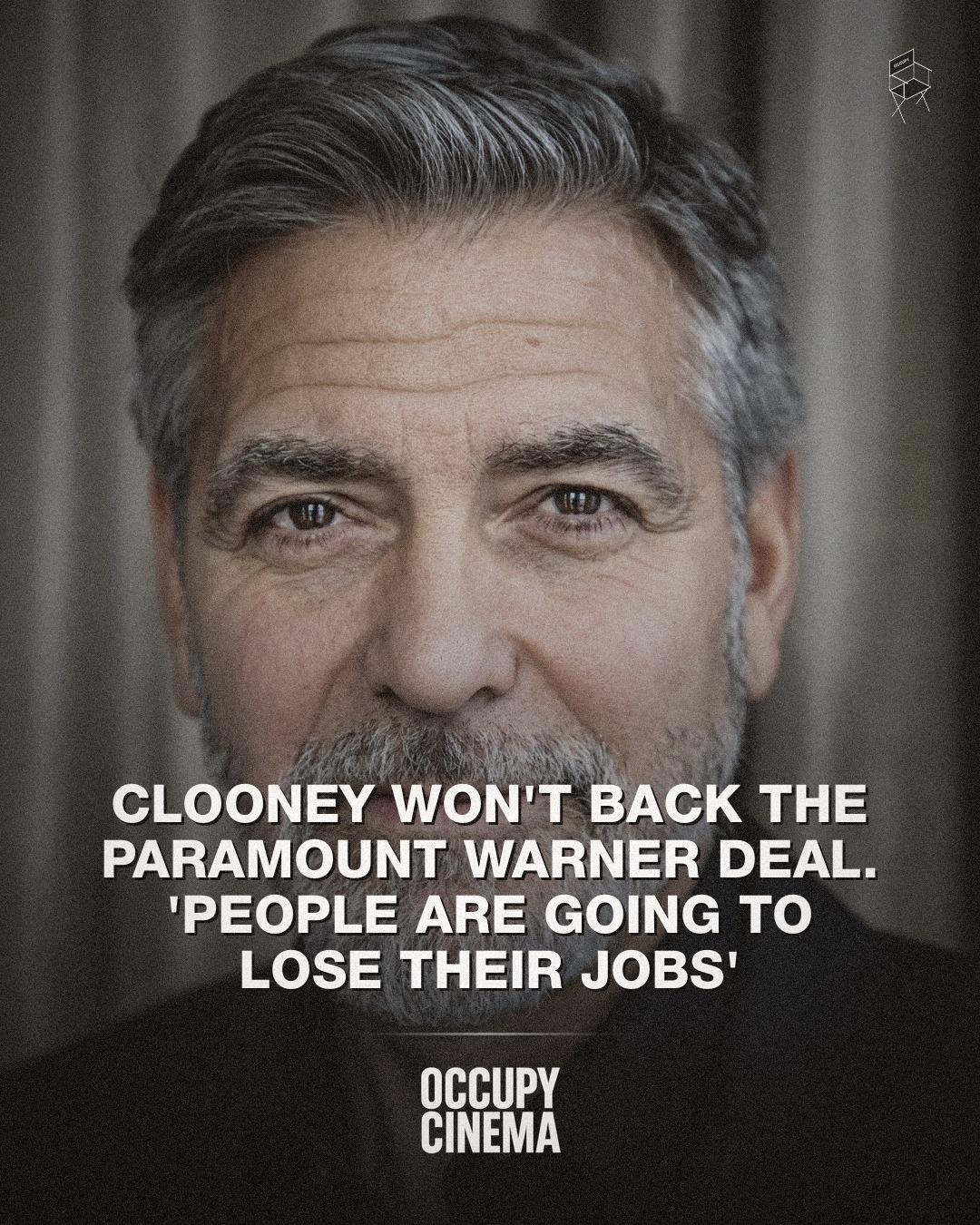
Clooney Raises Alarm on Industry Consolidation
George Clooney, a figure synonymous with Hollywood's creative and business echelons, voiced significant skepticism regarding further studio consolidation during a recent press conference at the Venice Film Festival. His remarks, delivered on September 2nd, directly addressed the rumored merger talks between Paramount Global and Warner Bros. Discovery. Clooney, known for his incisive takes on industry trends, questioned the financial logic for those pursuing such a deal, stating bluntly that consolidation inevitably leads to widespread job losses across the entertainment sector. This direct challenge from a major industry player underscores growing anxieties about the future landscape of film and television.
The actor and director's comments arrive amidst a period of unprecedented upheaval in Hollywood. The proposed union of Paramount and WBD would combine two legacy studios, each grappling with the economic realities of the streaming wars and declining linear television revenues. Warner Bros. Discovery, itself a product of a massive merger between WarnerMedia and Discovery Inc. in April 2022, has already seen extensive restructuring, including significant layoffs and content write-downs under CEO David Zaslav. Paramount Global, meanwhile, has been exploring strategic options, including a potential sale to Skydance Media, as it navigates a competitive streaming market and pressures from activist investors. The financial implications for these companies are immense, often dwarfing considerations of employee welfare.
Clooney's perspective is particularly potent given his dual role as both a performer and a producer/director through his Smokehouse Pictures banner, which he co-founded with Grant Heslov. He has navigated the independent film circuit as well as major studio productions. This vantage point allows him to speak with authority on both the artistic and economic facets of filmmaking. His concern for the human element is not new; he has previously been an outspoken advocate for industry workers, particularly during recent labor disputes. His statement in Venice cuts through the corporate jargon, focusing on the tangible impact of these mega-deals on the thousands of individuals who make movies and television shows possible.
The Broader Implications for Media and Journalism
The veteran actor did not stop at Hollywood's borders. In the same session, Clooney extended his critique to the broader media landscape, lamenting the precarious state of journalism. He drew a parallel between media consolidation and the erosion of journalistic integrity, pointing to the concentration of ownership among the world's wealthiest individuals, citing examples like The Washington Post and Twitter. This observation highlights a pervasive trend across various media sectors: the pursuit of scale and market dominance often comes at the expense of diversity, independent voices, and job security for content creators.
From a craft perspective, the consolidation trend directly impacts creative freedom and production methodologies. Larger studios often prioritize franchise filmmaking and data-driven content strategies, potentially stifling original, mid-budget projects that have historically been a proving ground for new talent and innovative storytelling. The pressure to feed expansive streaming libraries can lead to quantity over quality, affecting everything from script development to post-production budgets. The ripple effect extends to below-the-line workers, as consolidated entities seek to streamline operations, often resulting in fewer opportunities and reduced compensation.
The potential merger between Paramount and WBD would create a media giant with an unparalleled content library, encompassing everything from classic films and television series to news and sports. While proponents argue such scale is necessary to compete with tech behemoths like Netflix and Amazon, critics like Clooney warn of the monopolistic tendencies and the potential for reduced competition, fewer distribution avenues, and ultimately, a less diverse media ecosystem. Such concerns are regularly raised by regulatory bodies, though the political will to block such deals varies significantly. For further industry analysis, Variety provides ongoing coverage of these major business shifts.
Clooney’s remarks serve as a vital reminder that behind every multi-billion-dollar corporate maneuver are thousands of careers and creative aspirations. His blunt assessment challenges the prevailing narrative that bigger is always better, forcing a confrontation with the often-unspoken human cost of relentless industry consolidation. It is a stark warning that the pursuit of financial synergy can hollow out the very creative industries they purport to strengthen. For more perspectives on the business of entertainment, The Hollywood Reporter offers consistent insights into mergers and acquisitions.
Related reading: On Filmmaking.