Occupy Cinema › FEATURED
Searchlight Eyes YouTube: The New Frontier for Talent Acquisition
Studio executives are shifting their gaze to digital platforms, recognizing YouTube as a fertile ground for discovering the next generation of filmmakers. It's a seismic shift in how talent is scouted.
By Occupy Cinema ·
The Digital Talent Pipeline
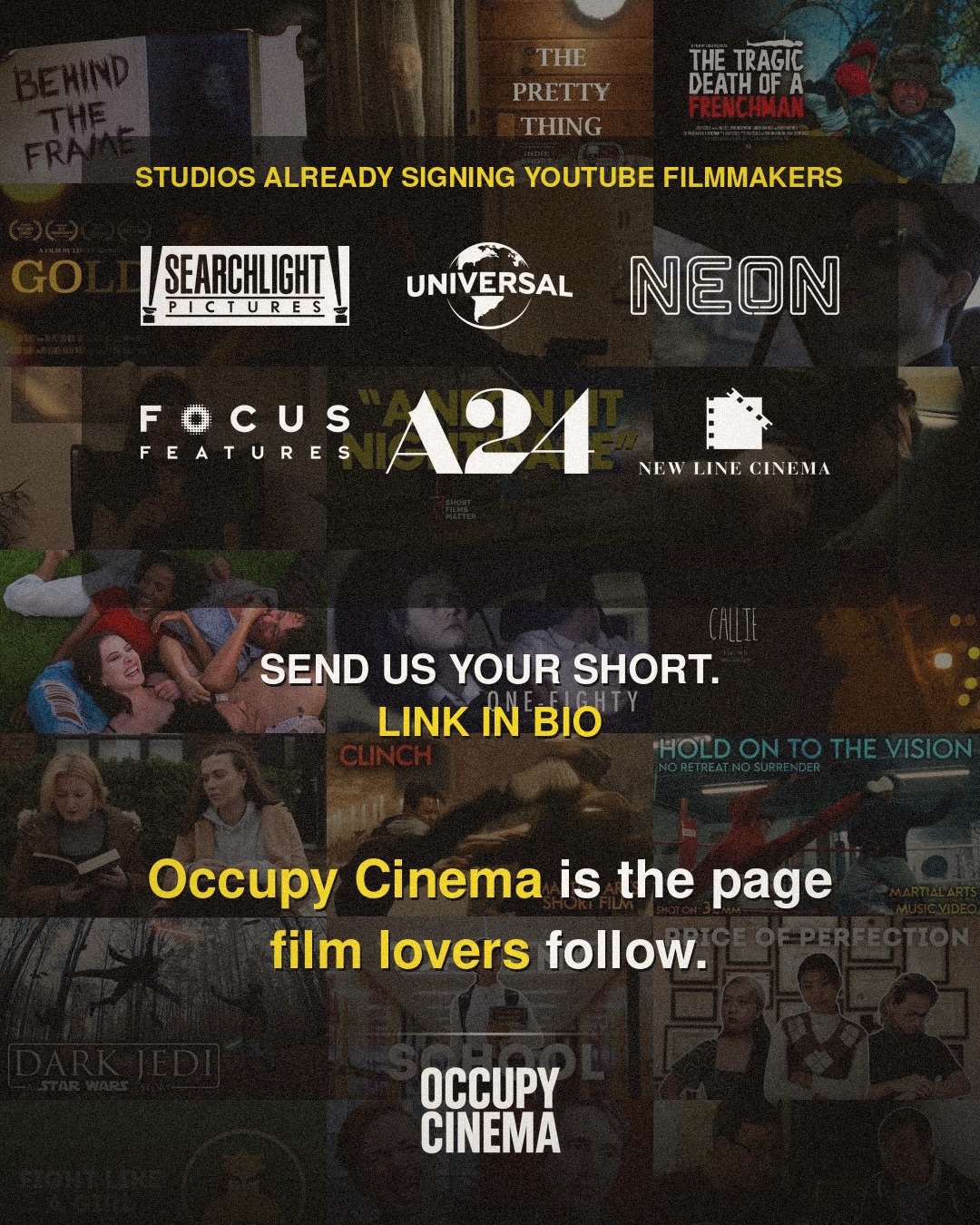
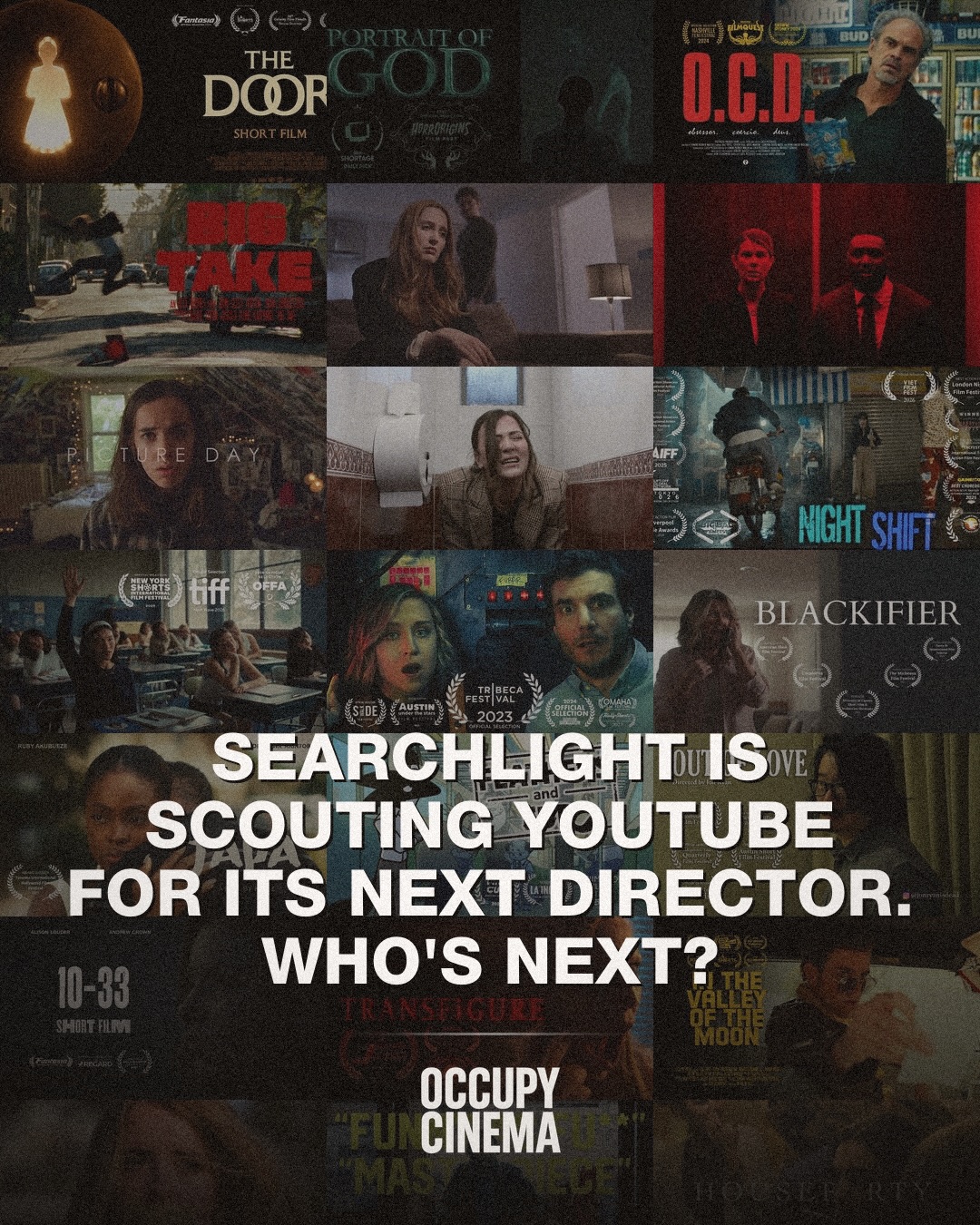
The traditional pathways to Hollywood have long been established, often involving film school, festival circuits, or years toiling in assistant roles. However, a seismic shift is underway, with major studios and distributors increasingly turning to unconventional sources for new voices. This week at the Toronto International Film Festival, Searchlight Pictures President Matthew Greenfield articulated a strategy that underscores this evolving landscape: actively scouting talent on YouTube. This isn't merely observing; it's a strategic embrace of digital platforms as a primary talent pipeline, acknowledging that the next breakout director might already have millions of views.
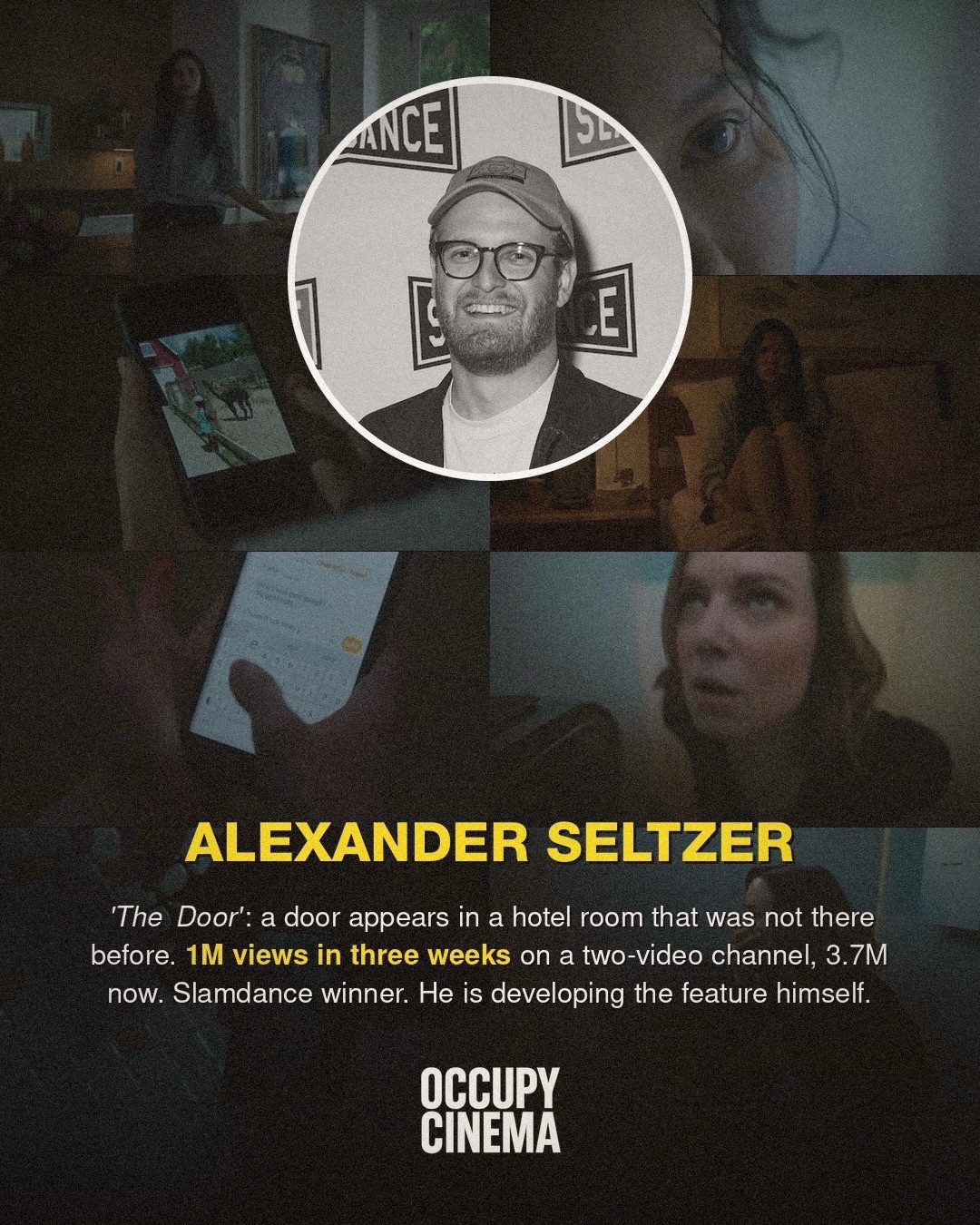
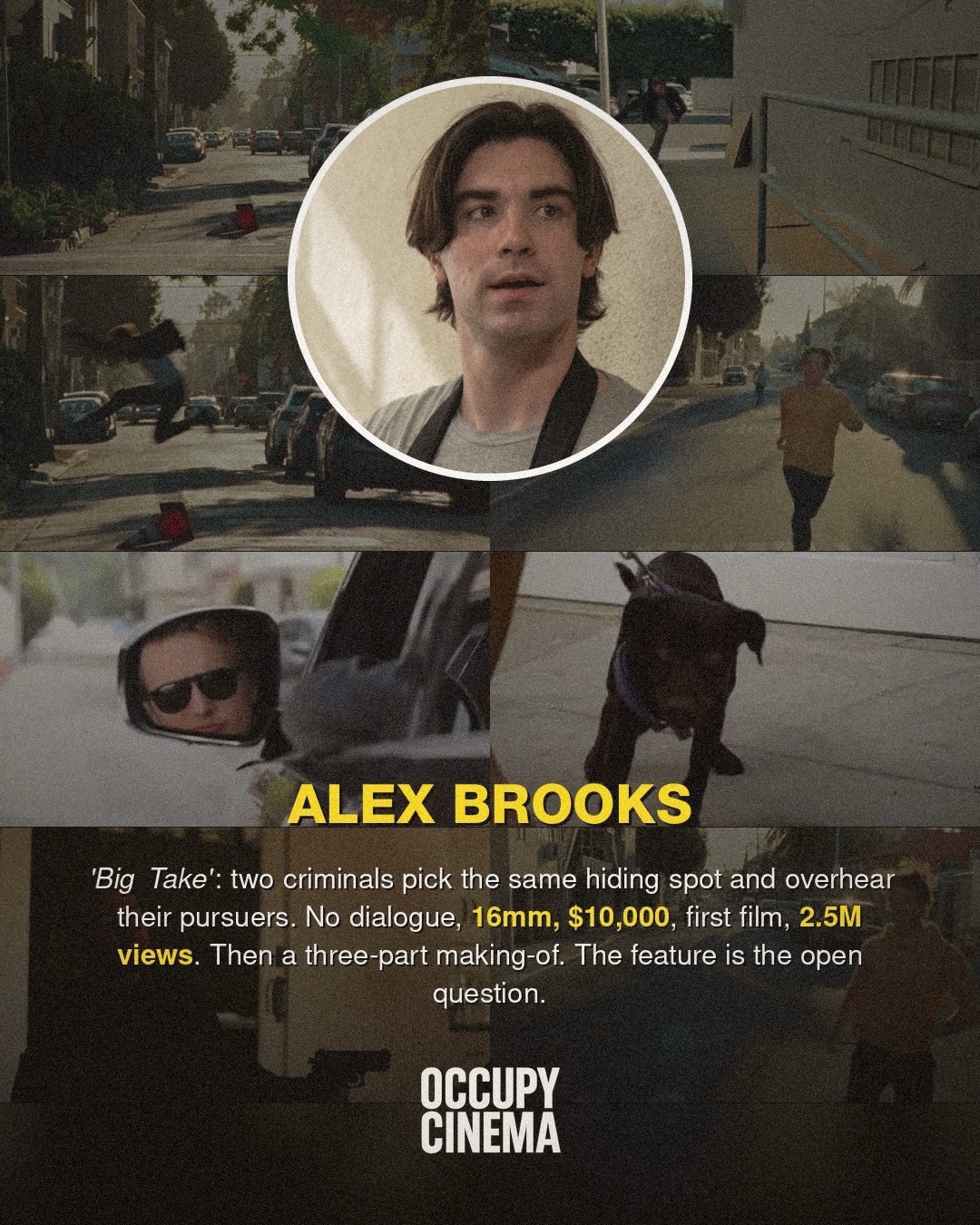
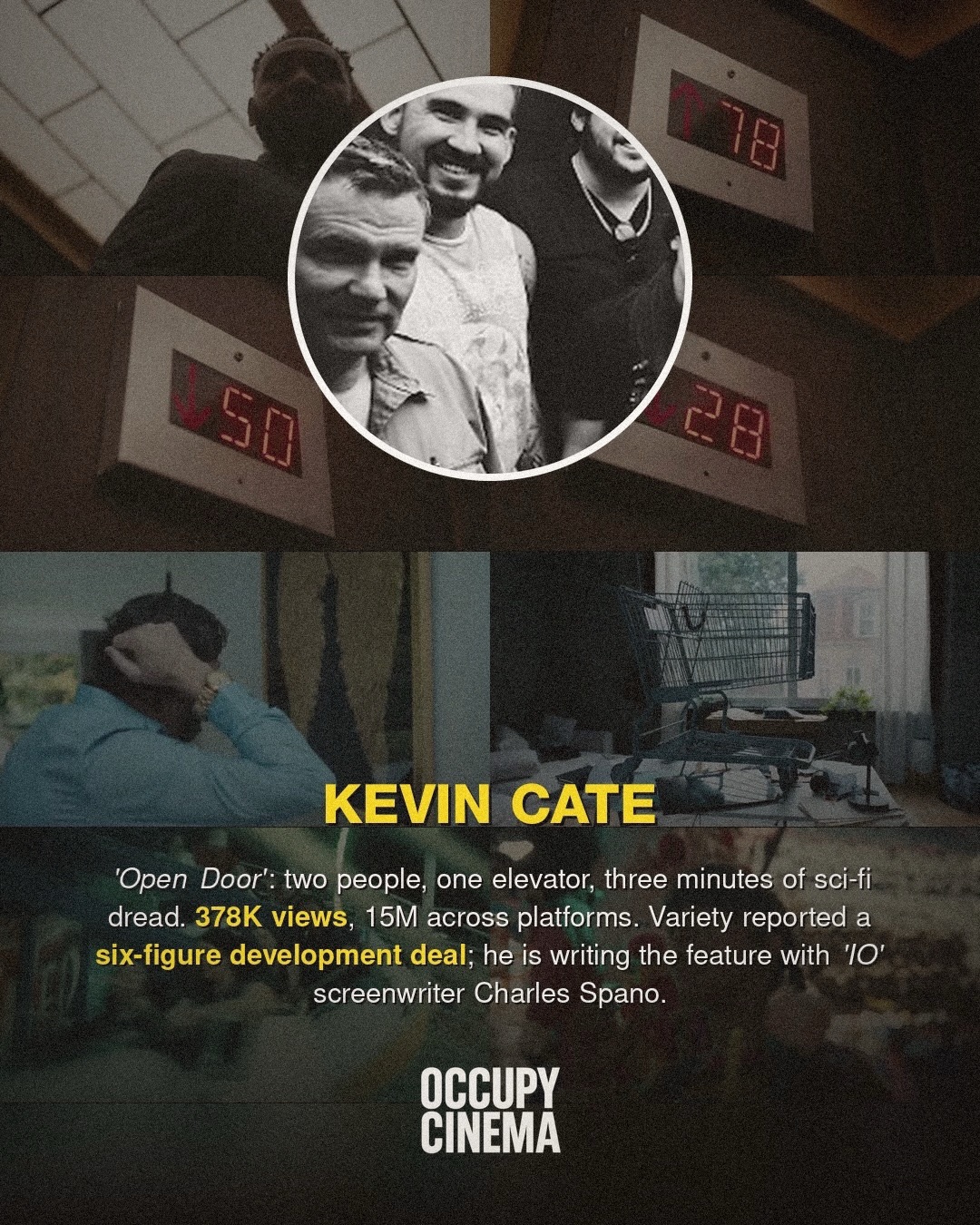
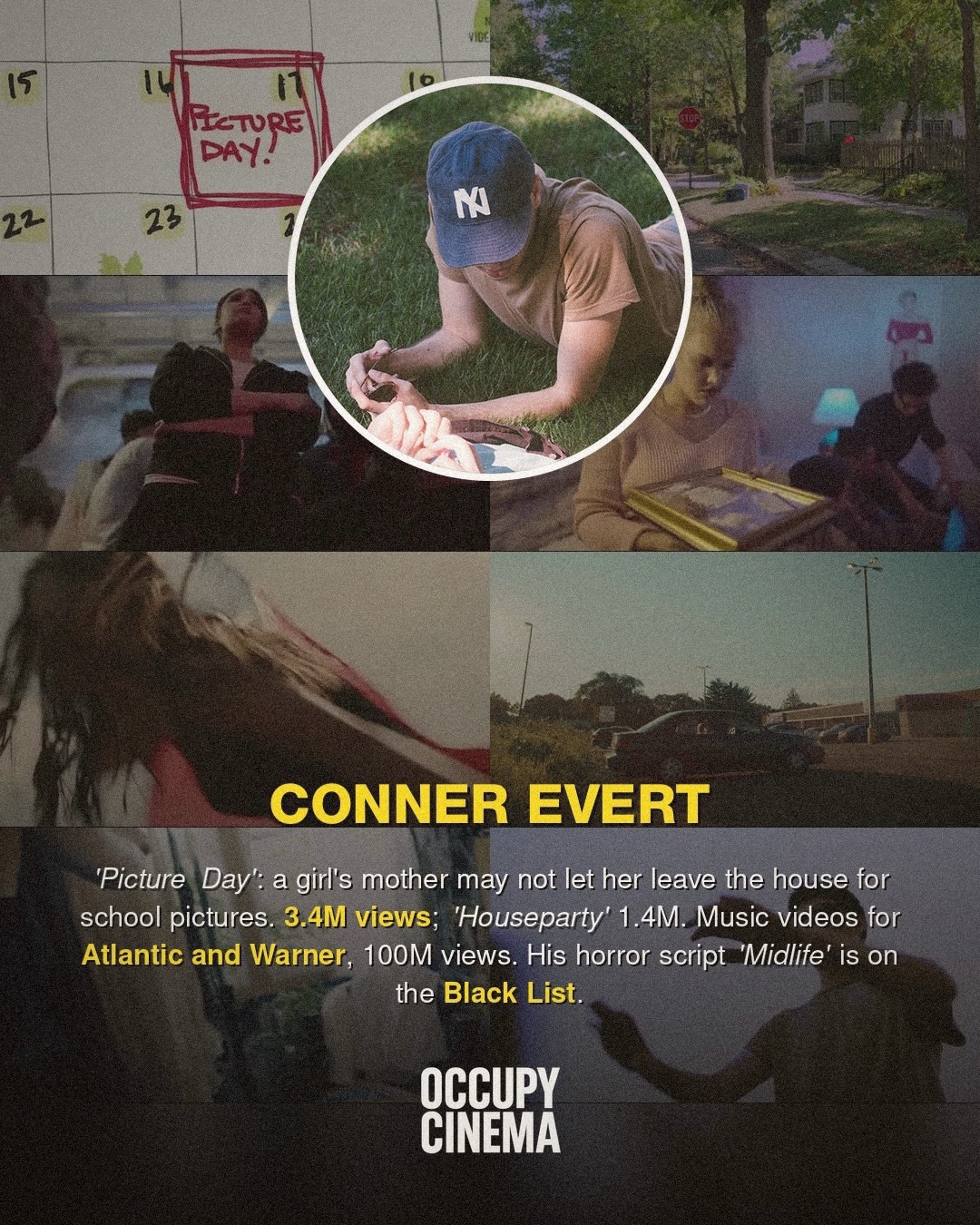
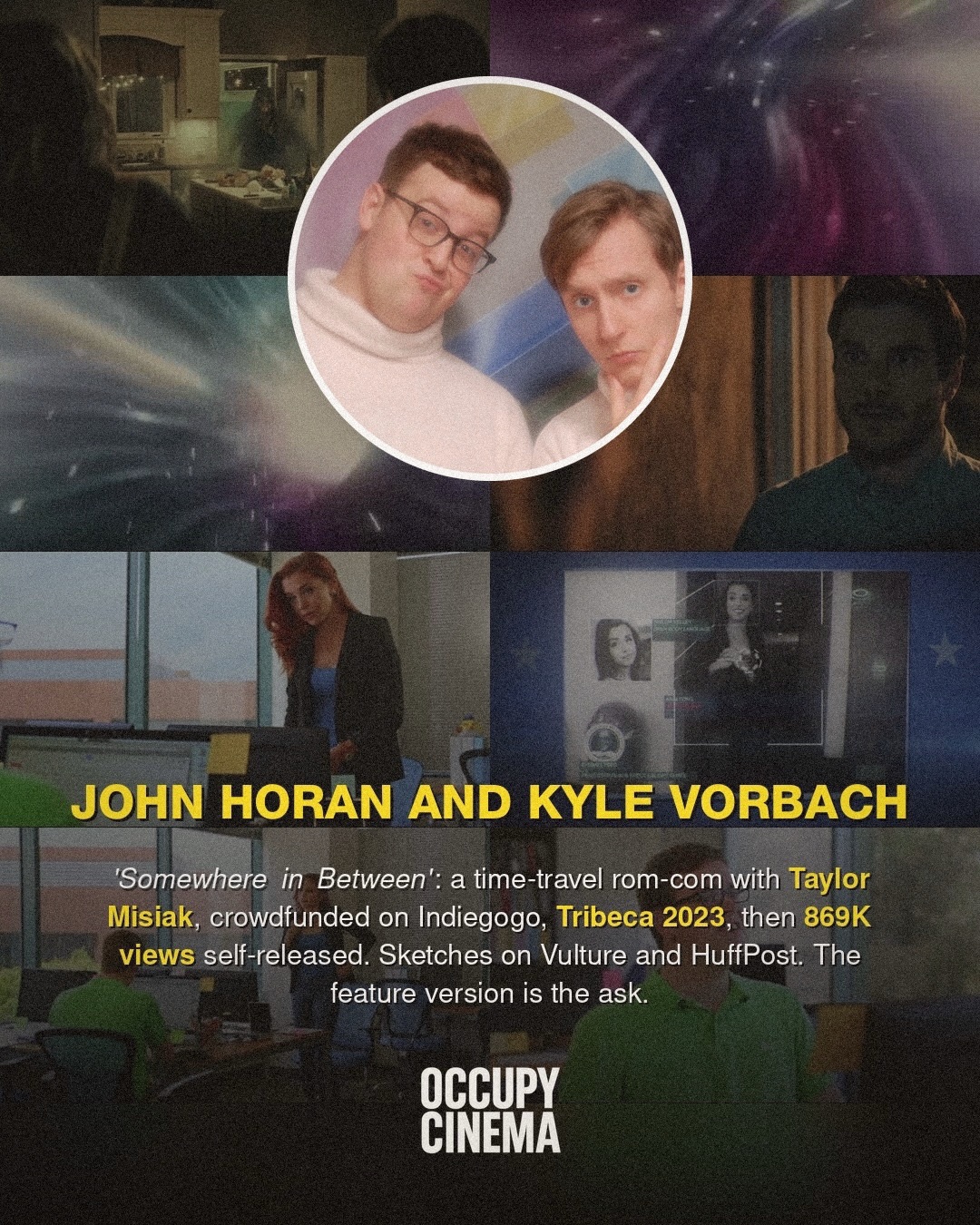
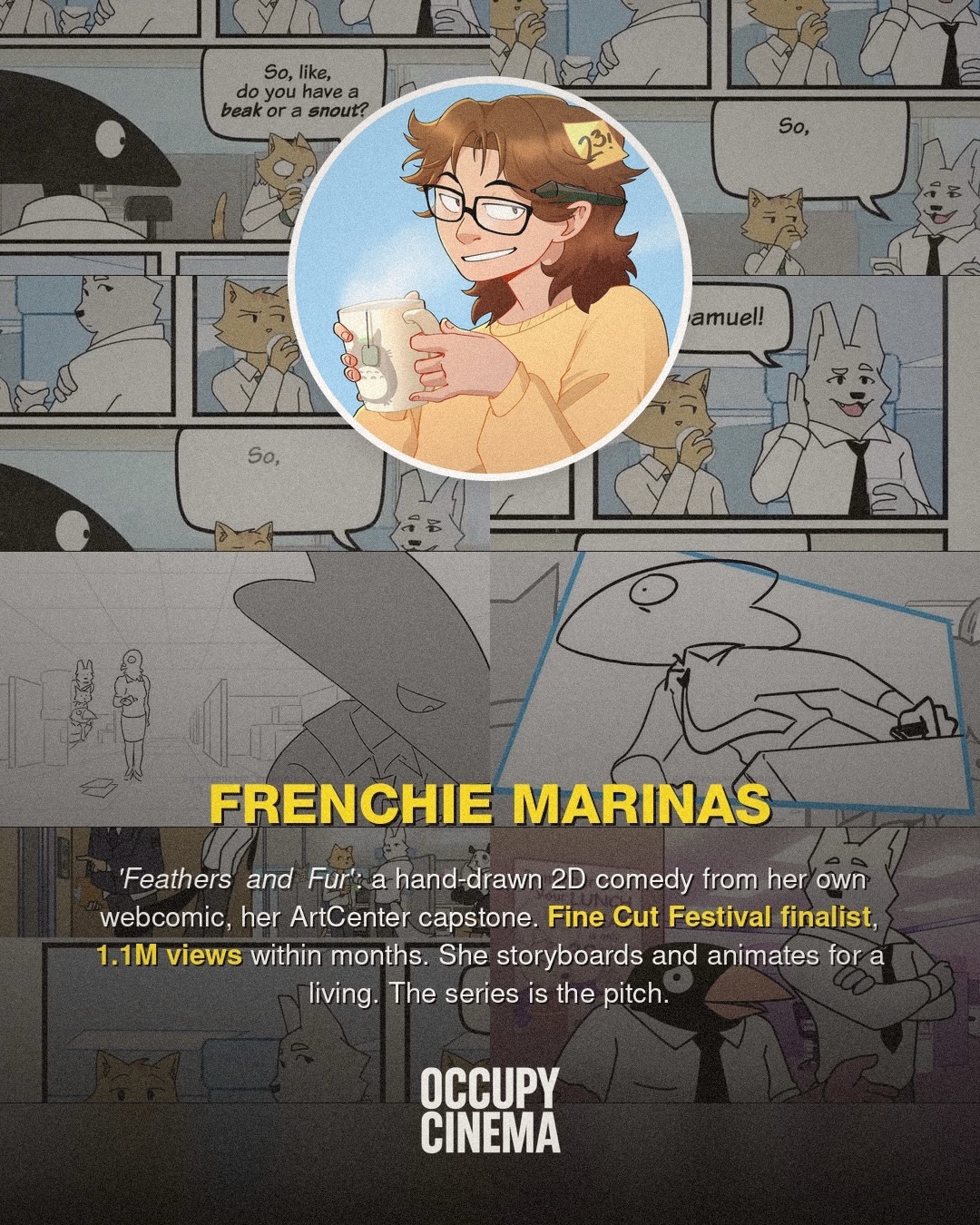
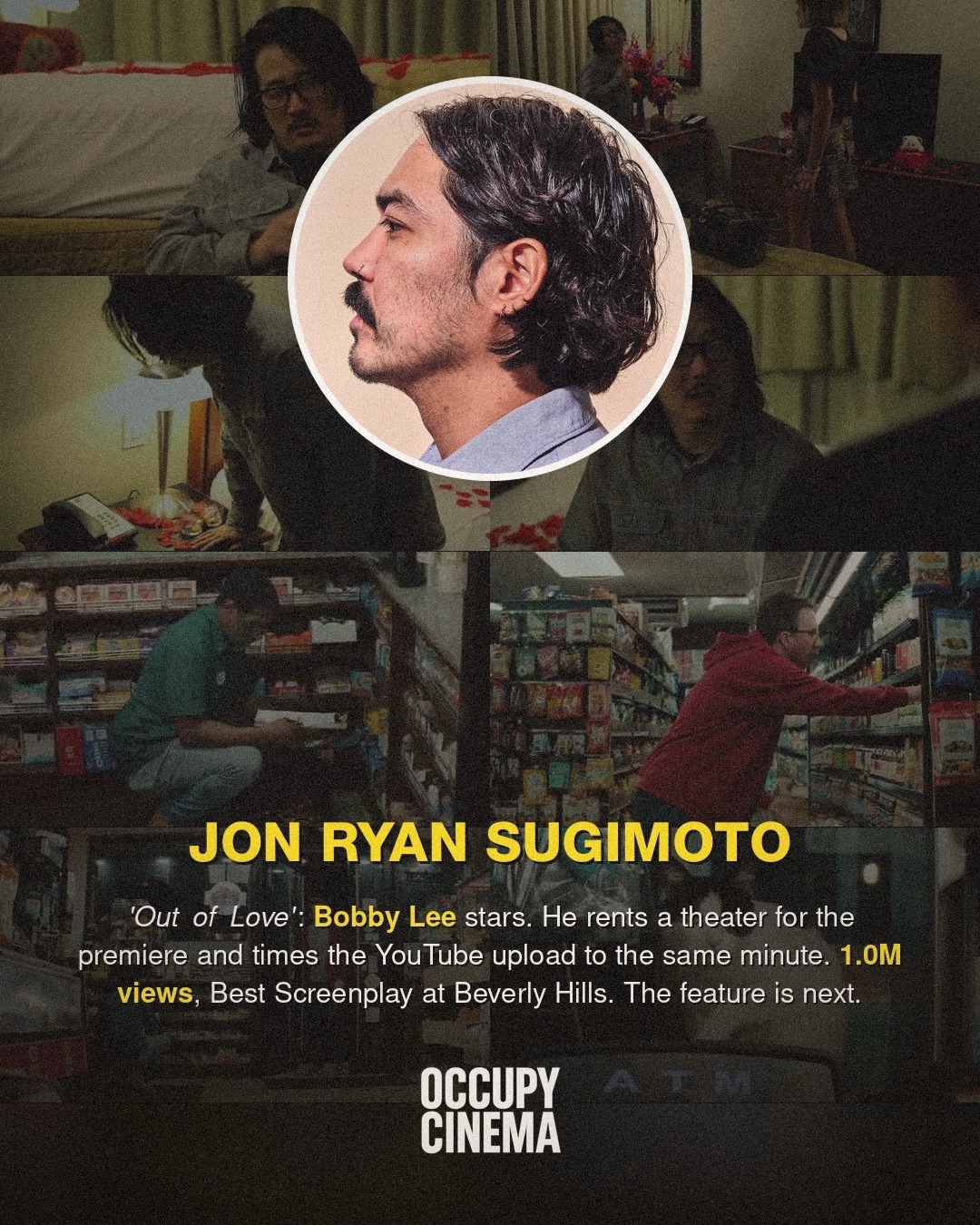
The numbers speak for themselves. Projects that would once have struggled for distribution or even attention are now organically reaching massive audiences online. Consider a Montreal-based horror short film, racking up 3.7 million views on a channel with just two uploads. Or a low-budget 16mm heist comedy, produced for a mere $10,000, demonstrating raw talent and resourcefulness. These are not anomalies; they represent a growing cohort of creators bypassing traditional gatekeepers entirely. Another example: a six-minute comedy short about a first date, dealing with IBS, amassed 940,000 views on a channel with only 3,000 subscribers. These metrics signal undeniable audience engagement and a proven ability to connect with viewers, precisely what studios covet.
This pivot reflects a broader industry recognition that the barriers to entry for filmmaking have dramatically lowered. Affordable, high-quality cameras, accessible editing software, and global distribution via platforms like YouTube have democratized content creation. Filmmakers are not waiting for permission; they are simply making films. The result is a vibrant, diverse ecosystem of independent work that often possesses a raw energy and unique perspective difficult to cultivate within the studio system. These creators are building their own audiences, proving market viability before a single studio executive even enters the picture.
From Viral Hit to Studio Deal
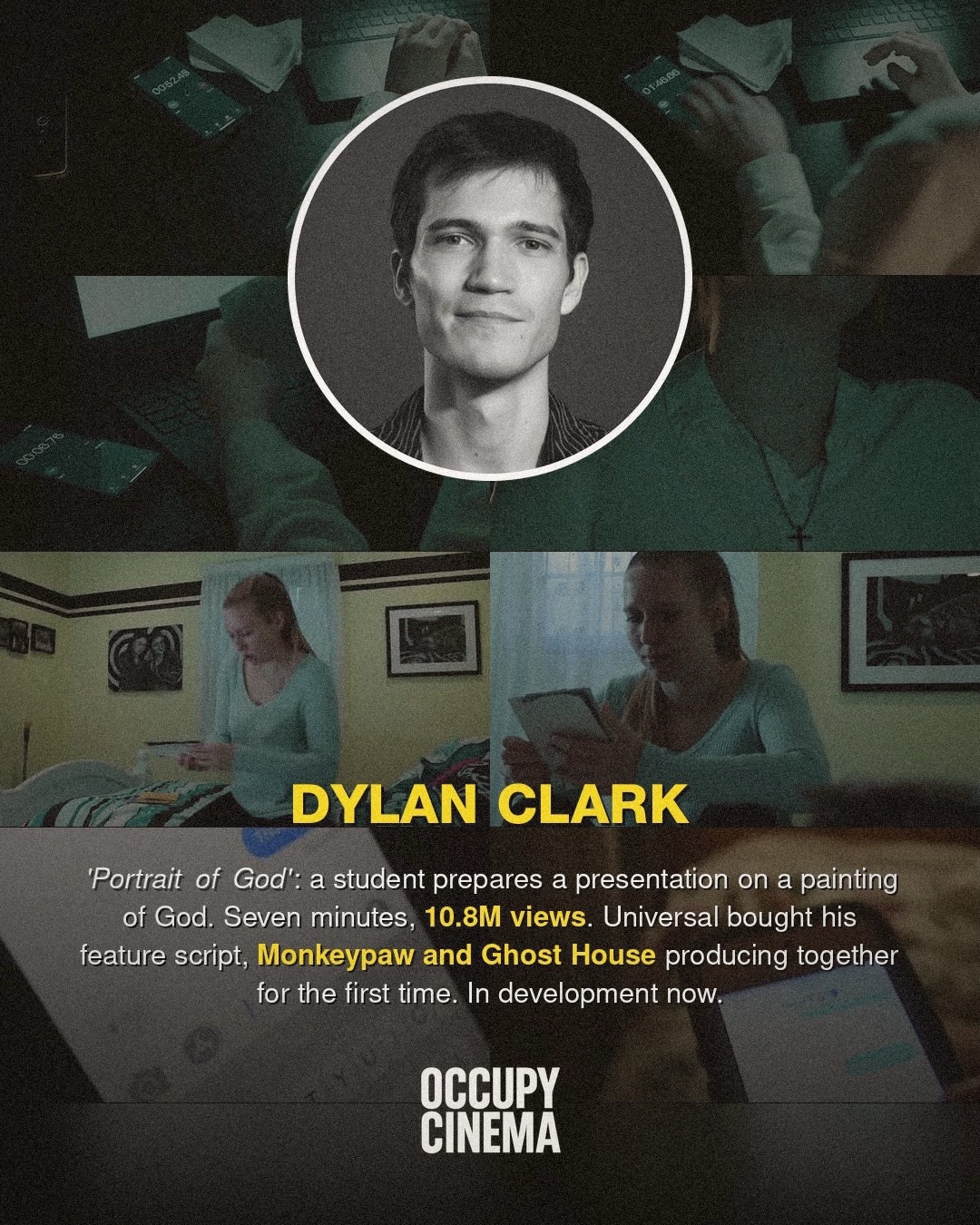
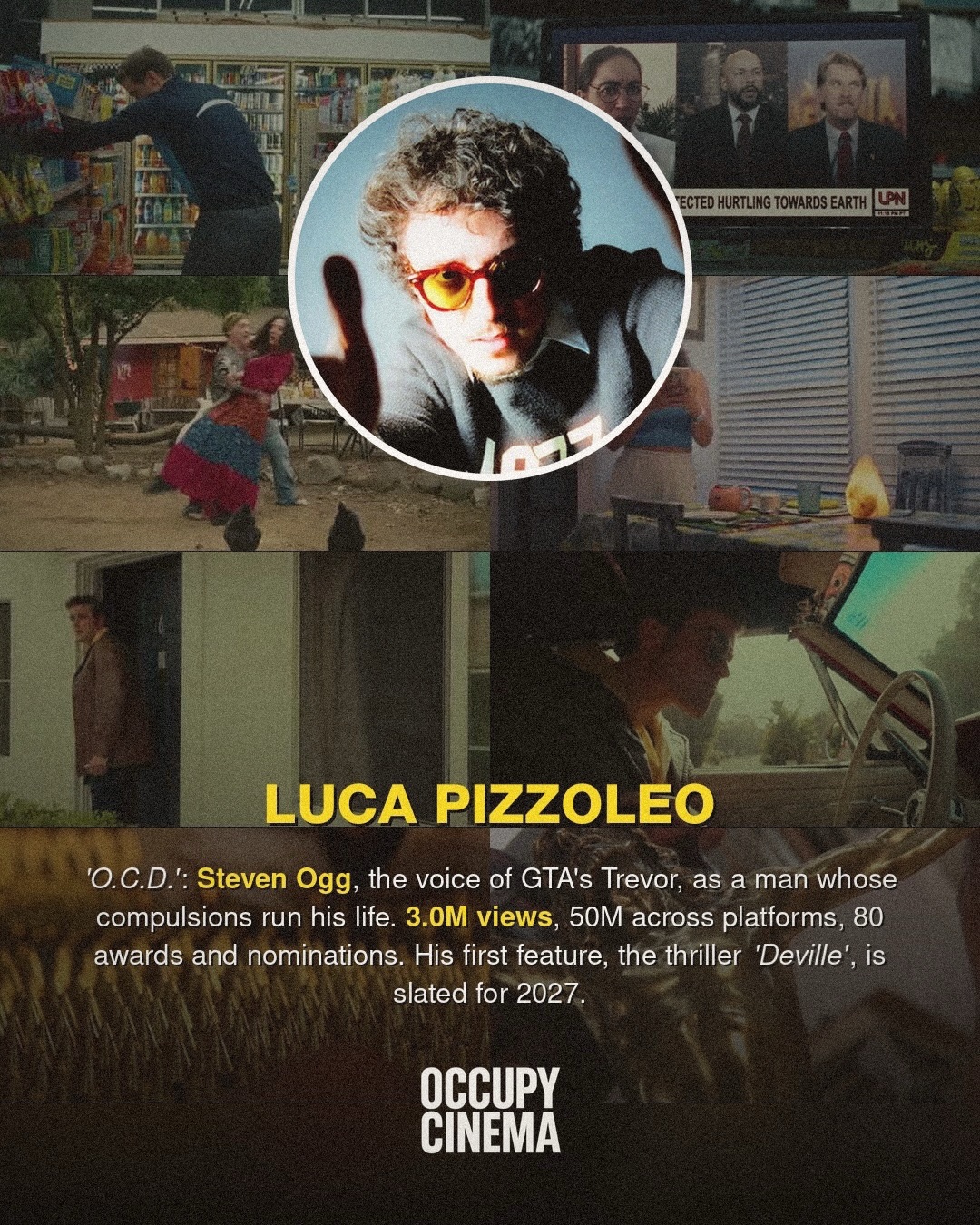
What Searchlight and other forward-thinking entities are observing is not just the content itself, but the data behind it. Millions of views, high retention rates, and robust comment sections serve as a real-time, large-scale focus group. A viral short film is a proof-of-concept, demonstrating not only a filmmaker's vision but also their ability to capture and hold an audience's attention. This data-driven approach minimizes risk for studios looking to invest in new talent. It's a stark contrast to the speculative bets often made on unproven talent through traditional channels.
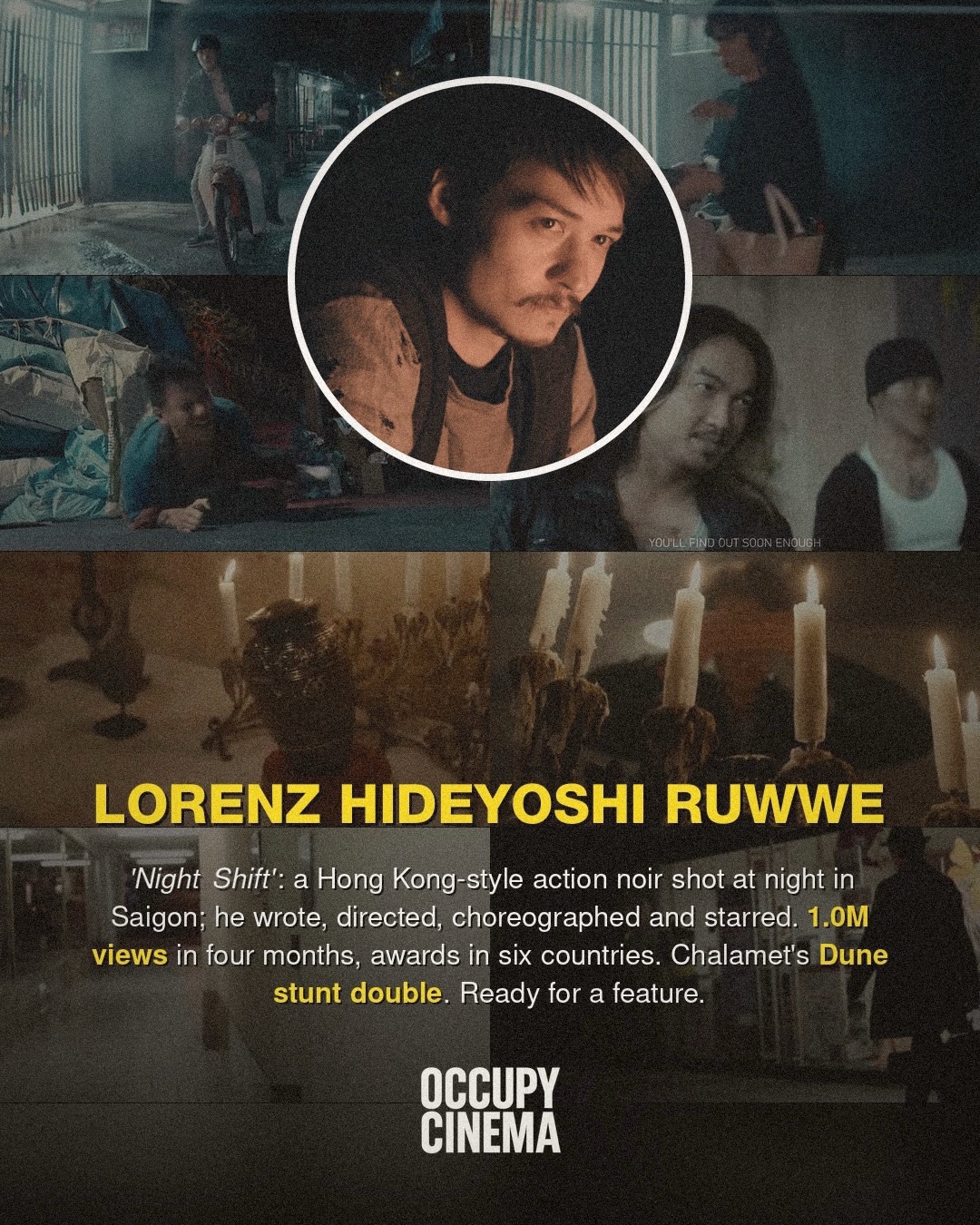
The appeal isn't limited to narrative shorts. The anecdote of a Timothée Chalamet stunt double independently shooting a noir in Saigon at night highlights the sheer breadth of ambition and creativity flourishing outside the established system. These are filmmakers with grit, who are finding ways to execute their vision, often with minimal resources. They are problem-solvers, storytellers, and ultimately, entrepreneurs. For a studio, identifying such individuals early means potentially securing the next visionary director before they become prohibitively expensive or their talent is fully recognized by competitors.
This strategy also speaks to the ongoing imperative for studios to diversify their content and find fresh voices. The global reach of YouTube means that talent can emerge from anywhere, bringing new perspectives and stories that resonate with a wider audience. This is not just about finding the next big horror director or comedy writer; it's about tapping into a global wellspring of creativity that can invigorate the entire industry. The traditional pipeline was finite; the digital one is expansive, constantly refreshing itself with new entries.
The implications are clear: for aspiring filmmakers, YouTube is no longer just a place to share work with friends. It has become a legitimate, high-stakes audition stage for the biggest players in Hollywood. The message from Searchlight is unequivocal: make your film, put it out there, and the industry is watching. The power dynamic shifts; instead of filmmakers pitching to studios, studios are now actively scouting the creators who have already proven their mettle with millions of viewers. It's a new era where raw talent, audience engagement, and digital savvy can unlock unprecedented opportunities in mainstream cinema. The industry is no longer waiting for talent to knock; it's scrolling to find it. Variety and The Hollywood Reporter have extensively covered this evolving landscape, noting how digital platforms are reshaping talent acquisition across the entertainment spectrum. It's a high-stakes game of discovery, and the rules are being rewritten in real-time. Deadline has also highlighted similar trends, emphasizing the growing importance of online metrics in development decisions.