Occupy Cinema › Awards
Jane Campion's Mentorship Incubator Delivers Its First Sundance Breakthrough
Paloma Schneideman debuts Big Girls Don't Cry at Sundance, backed by Jane Campion's A Wave in the Ocean initiative and international distributor Blue Fox Entertainment.
By Occupy Cinema ·
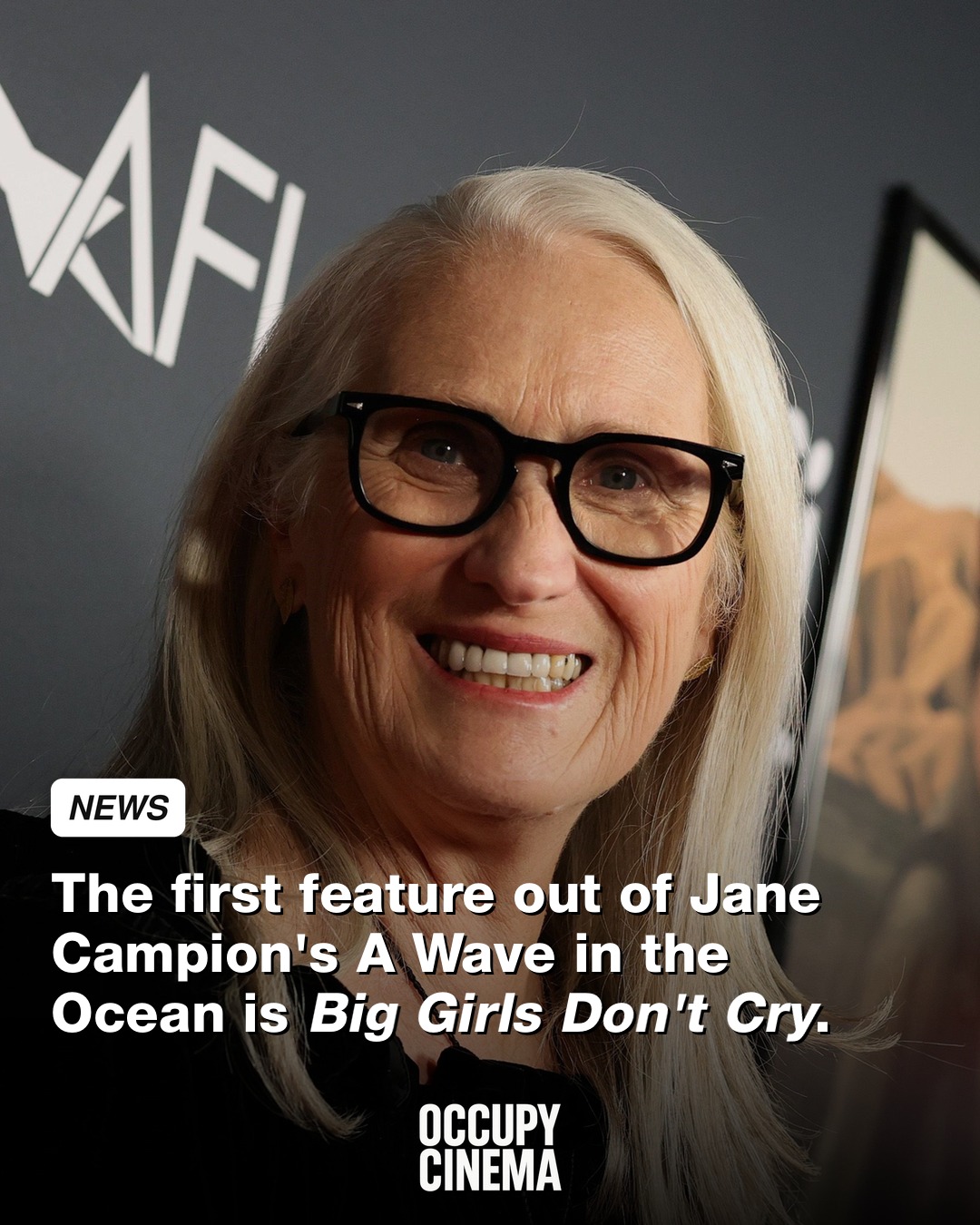
Jane Campion did not build her filmmaking career on compromise, and her latest venture as an executive producer proves she is equally uncompromising about supporting new talent. Big Girls Don't Cry, the debut feature from writer and director Paloma Schneideman, stands as the inaugural film to emerge from Campion's ambitious talent incubator, A Wave in the Ocean. Following its world premiere at the 2026 Sundance Film Festival, the project serves as a proving ground for a rising director and a business model designed to reset how development works in Australasia.
Set during a sweltering New Zealand summer, the narrative centers on Sid, a 14 year old portrayed by breakthrough lead Ani Palmer. Sid's isolated adolescent routines are disrupted when an American exchange student, played by Rain Spencer, enters her world. Veteran actor Noah Taylor rounds out the primary cast as Sid's father, providing an anchor of quiet instability. The film explores the volatility of teenage emotional terrain without relying on sanitized coming of age tropes.
The Infrastructure of Mentorship
Campion established A Wave in the Ocean as a intensive development program aimed at providing emerging directors with the time, resources, and artistic freedom rarely afforded by traditional funding channels. In an independent film market where debut directors face unprecedented financing bottlenecks, executive backing from an Academy Award winner carries immense weight. The pipeline was structured to bypass traditional studio notes and center director vision, a model that film analysts at IndieWire have monitored closely as global indie finance models shift.
Visually, the film draws heavily on the craft of cinematographer Maria Ines Manchego. Known for her tactile camera work, Manchego leverages natural sunlight and coastal landscapes to construct an environment that feels both expansive and claustrophobic. The visual design stays close to the characters, leaning on immediate camera framing and unpolished light. Rather than flattening the New Zealand scenery into picturesque tourist shots, the camera prioritizes character interiority and the tension between adolescence and adulthood.
Festival Momentum and International Footprint
The business mechanics behind the release underscore a calculated strategy. International distributor Blue Fox Entertainment launched the trailer ahead of the film's screening at the New Zealand International Film Festival, leveraging early festival noise to build momentum across global territories. Industry observers tracking festival acquisitions on Deadline note that character driven dramas with strong prestige mentorship continue to find theatrical and boutique VOD life in a cautious market.
Mentorship programs in the screen industry frequently produce polished short films that languish on the festival circuit without securing wider theatrical releases. Big Girls Don't Cry breaks that cycle by landing direct market traction and critical validation out of Park City. For Schneideman, the result is a confident debut feature that establishes her voice. For Campion, it proves that structural support combined with creative liberty remains a reliable engine for generating vital new cinema.
Related reading: The Piano (The Criterion Collection) [Blu-ray].