Occupy Cinema › FEATURED
IATSE Goes to Ground Zero: How One Gaffer Lit Up the Darkest Days
When the World Trade Center fell, a film gaffer stepped up, leveraging industry expertise to solve an unprecedented lighting crisis at Ground Zero. This is the story of Charles Libin's critical contribution and the union solidarity that made it possible.
By Occupy Cinema ·
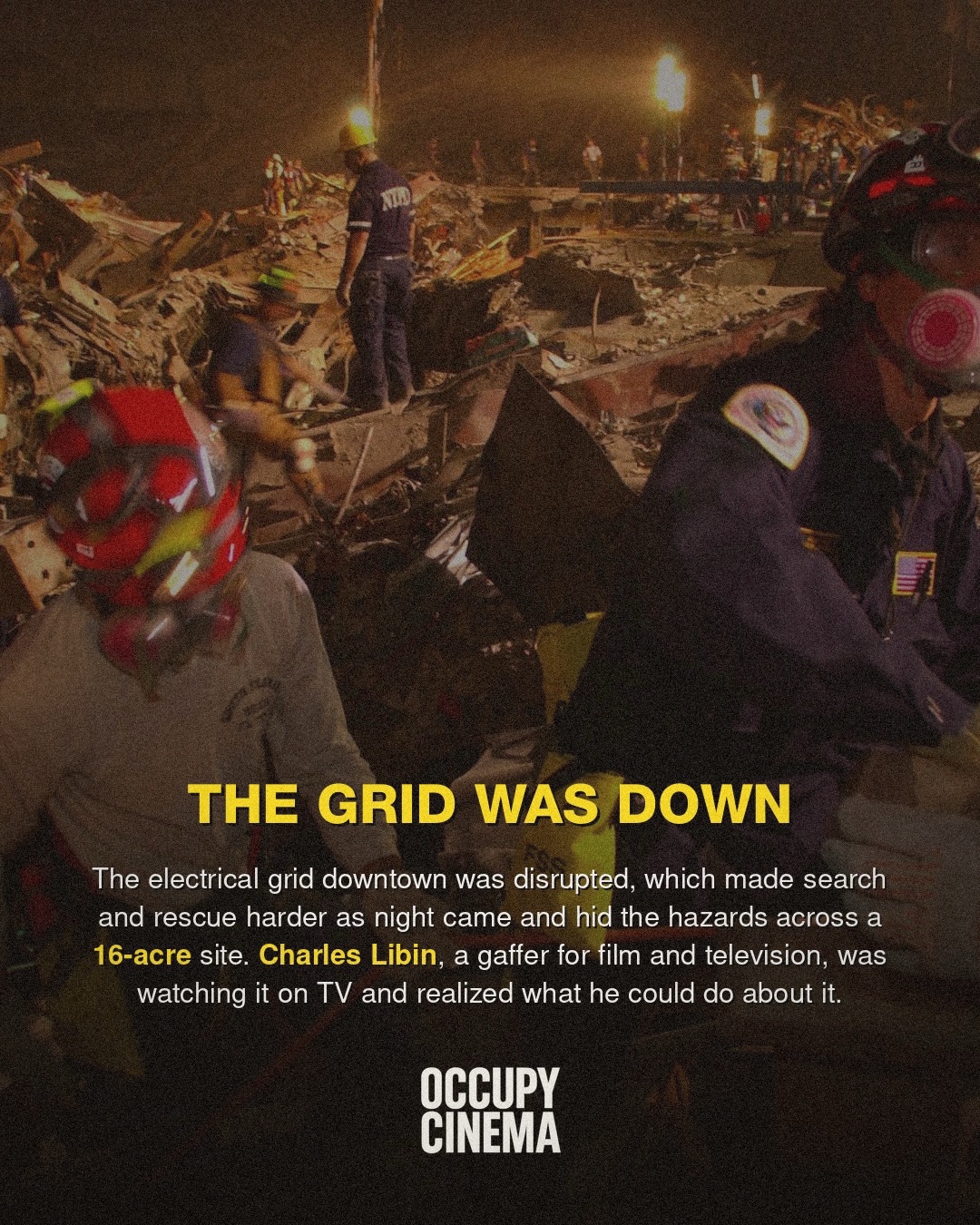
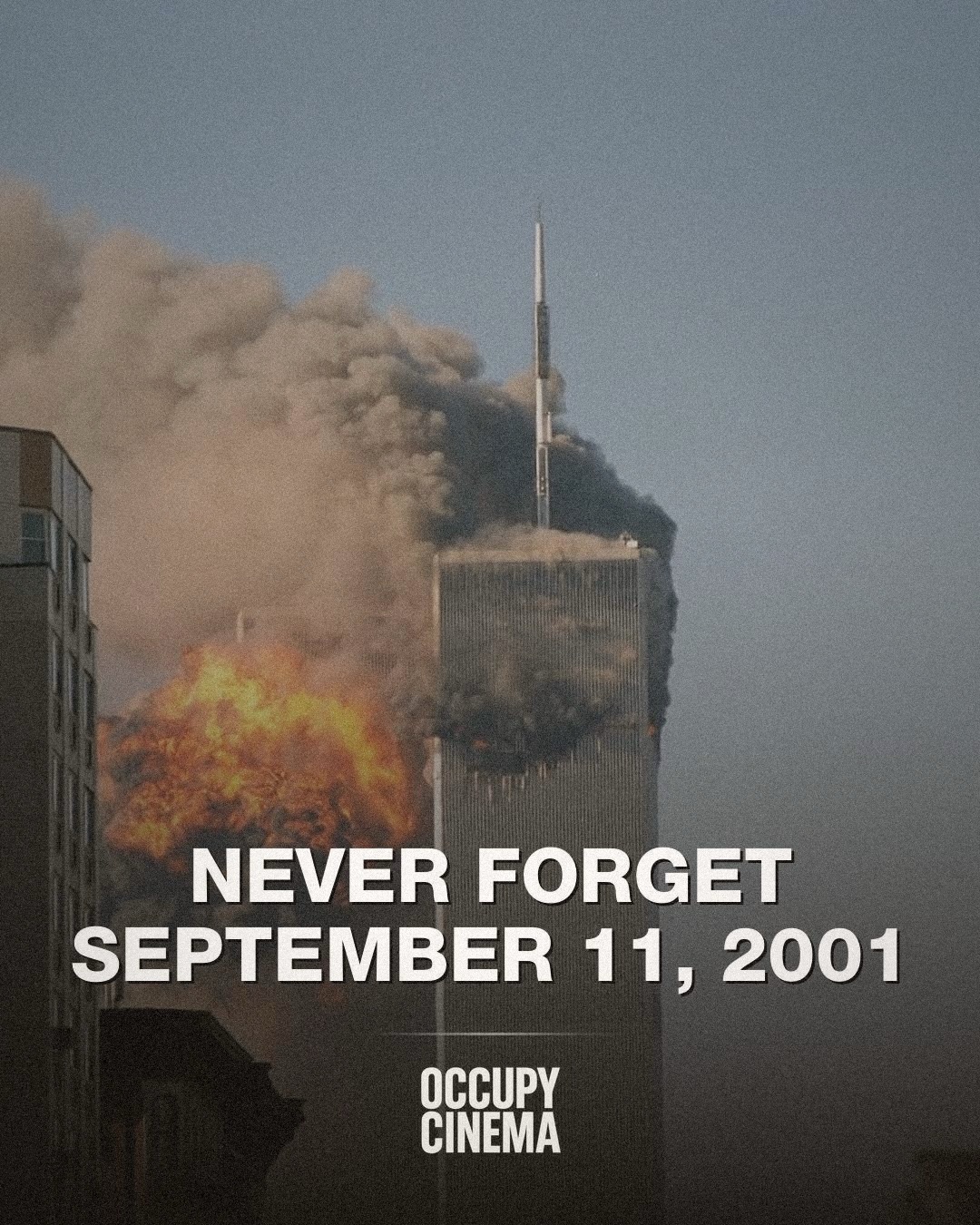
The events of September 11, 2001, plunged Lower Manhattan into a darkness both literal and figurative. Amidst the chaos and devastation, one immediate, practical challenge emerged for rescue and recovery efforts: illumination. A 16-acre site, once the beacon of global commerce, was now a debris field lacking power. This was not a problem for first responders alone. It was a problem that demanded specialized expertise, and it was a film industry gaffer, Charles Libin, who stepped forward to provide it. His actions, facilitated by union networks, highlight a rarely seen intersection of craft, crisis response, and civic duty.
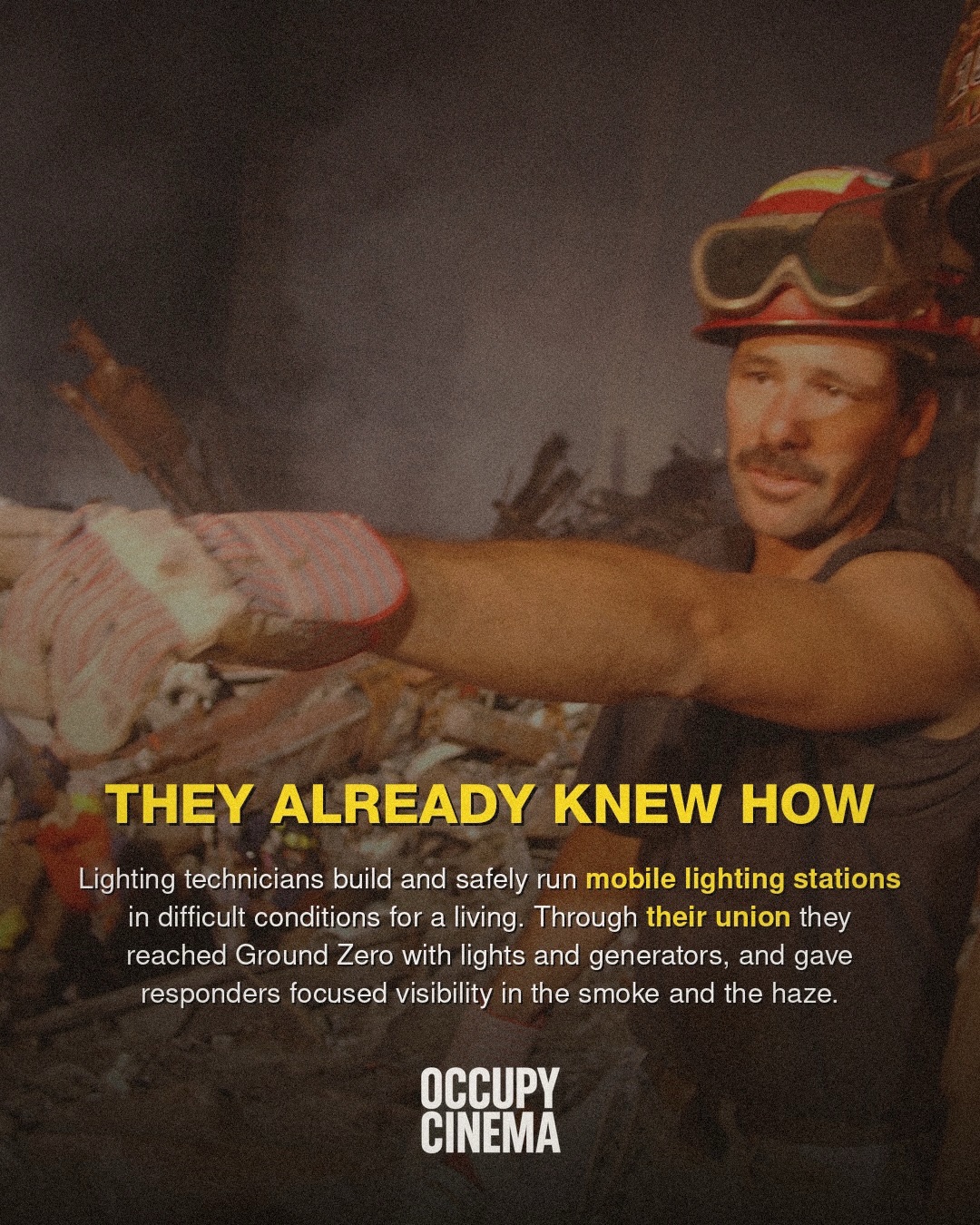
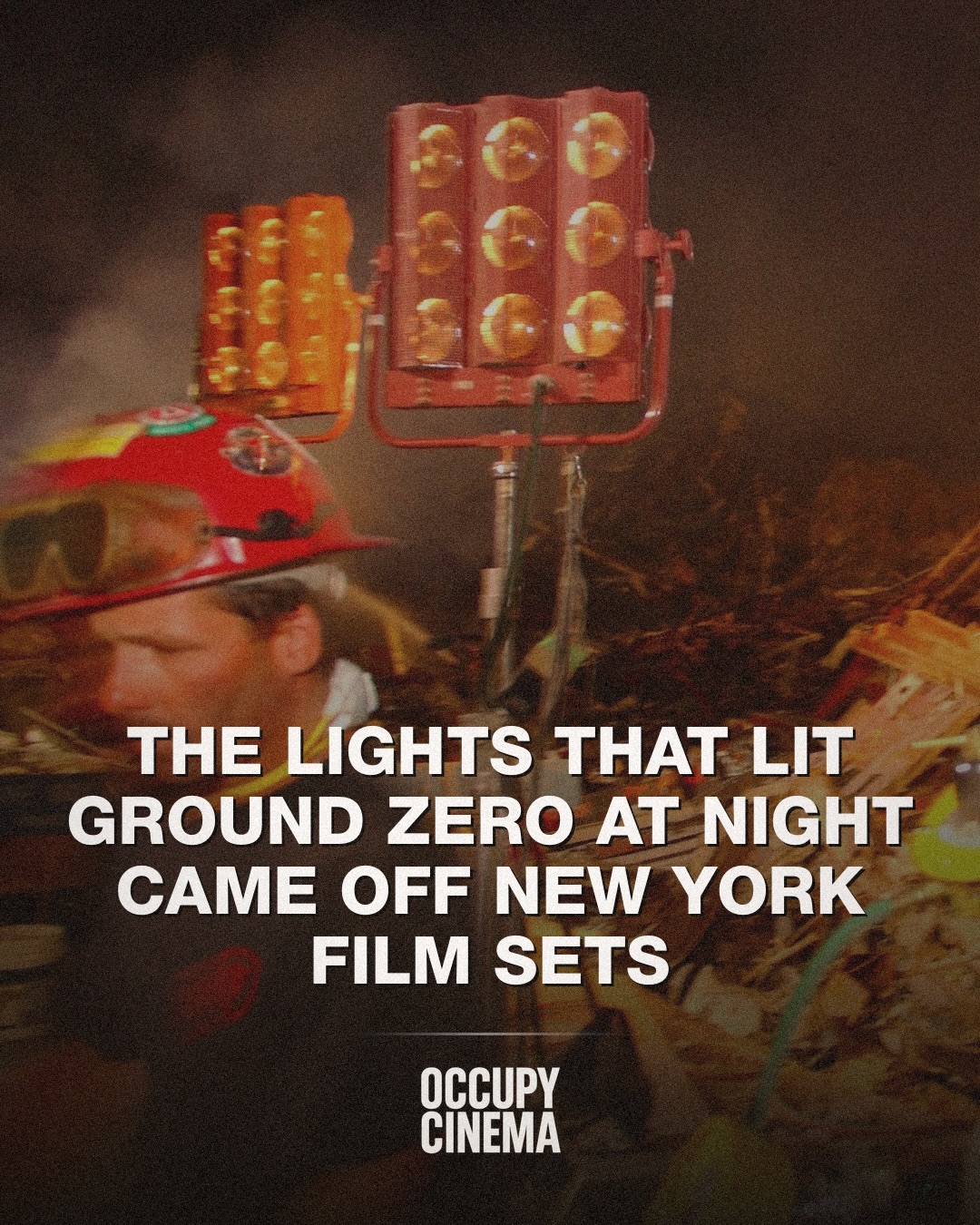
Libin, a veteran lighting technician for film and television, understood the unique demands of illuminating vast, unpredictable spaces under duress. His daily work involves building and maintaining complex lighting setups, often in challenging environments, ensuring safety and efficacy. The scale at Ground Zero was unprecedented, but the underlying principles remained the same: powerful, reliable light was essential for search and rescue operations, allowing workers to navigate unstable terrain and identify survivors or remains. The film industry, with its specialized equipment and skilled personnel, possessed exactly the tools and knowledge required for such an undertaking.
Lighting the Unthinkable: Craft Meets Catastrophe
Through his union, the International Alliance of Theatrical Stage Employees (IATSE), Libin quickly mobilized. This was not a commercial gig. This was an immediate, voluntary response to a national tragedy. Leveraging union connections proved crucial in gaining access to the restricted site and coordinating resources. Libin arrived at Ground Zero with generators and high-intensity lights, equipment not typically found outside of major production sets or specialized emergency services. His role was not merely to supply equipment but to strategically deploy it, understanding beam angles, power draw, and the unique challenges of lighting a constantly shifting landscape of twisted steel and pulverized concrete. This was lighting design on the fly, with life or death stakes.
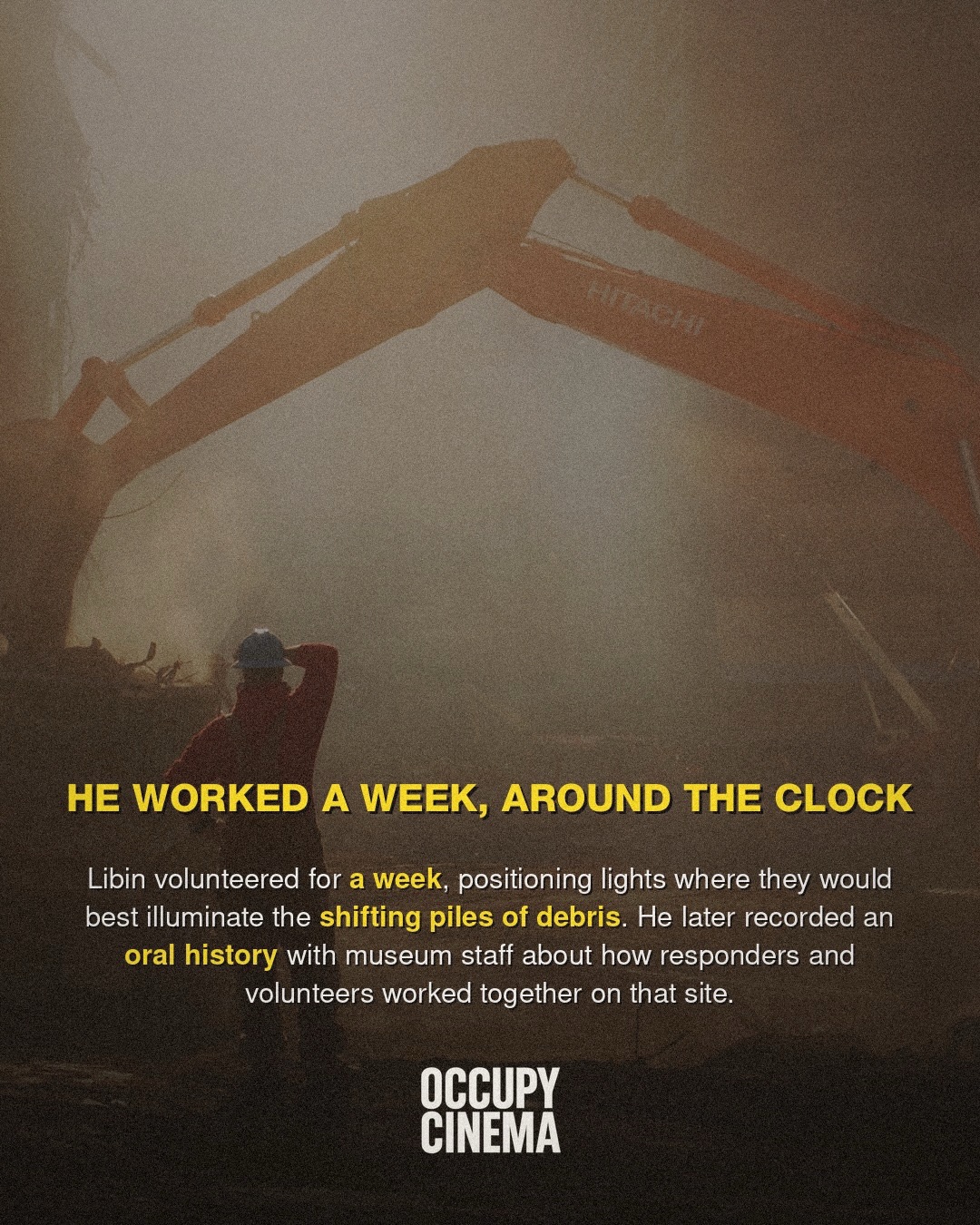
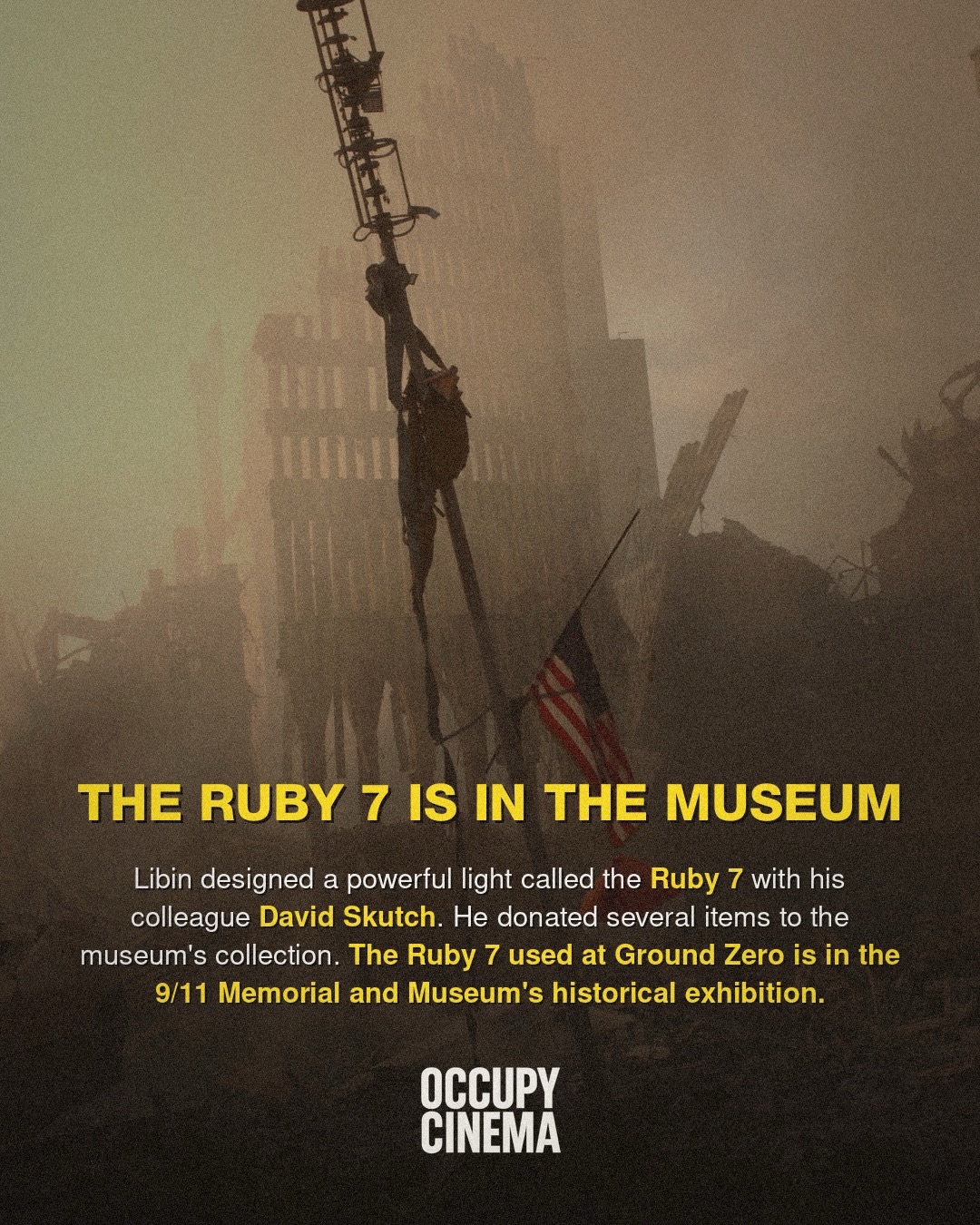
Libin volunteered a full week, working around the clock. He moved lights to wherever they could best penetrate the debris, adapting to the dynamic needs of rescue workers. The scale of the task demanded innovation. Alongside lighting designer David Skutch, Libin designed a specialized mobile light unit, the Ruby 7. This unit was engineered to withstand the harsh conditions and provide the intense, focused illumination required for the rescue and recovery efforts. The specific Ruby 7 used at Ground Zero now resides in a museum, a testament to the ingenuity and dedication deployed during that period. This collaboration demonstrates how creative problem-solving, a hallmark of filmmaking, can translate directly to critical real-world applications.
The film industry’s contribution to the 9/11 recovery efforts extended beyond Libin. While the focus often remains on first responders, the behind-the-scenes support from various trades, including those from entertainment, played a vital role. IATSE, representing a wide array of craftspeople from grips to electricians, became a conduit for skilled labor and specialized equipment. This period underscored the depth of expertise within these unions and their capacity for rapid, organized response in times of crisis, an often-overlooked facet of their societal value. The precise coordination required to move heavy equipment, establish power grids, and maintain lighting in such a volatile environment speaks volumes about the professionalism embedded within these crews.
The Enduring Impact of Industry Ingenuity
Libin’s story is a powerful reminder that the skills honed in the seemingly insulated world of film production have profound practical applications. The ability to manage complex logistics, operate heavy machinery, and problem-solve under pressure are not exclusive to emergency services. Gaffers, cinematographers, and production designers routinely face logistical nightmares and technical hurdles that would paralyze other industries. This incident dramatically showcased how readily these abilities can be repurposed for civic good. It also reinforced the solidarity and community spirit inherent within unionized labor, proving that when disaster strikes, the industry is not just a collection of competing studios and freelancers but a network of skilled individuals ready to contribute.
The legacy of Charles Libin’s efforts at Ground Zero transcends a single act of volunteerism. It stands as a testament to the often-unseen critical infrastructure that supports our society, highlighting how specialized craft skills, honed over decades in demanding industries like film, can become indispensable during national emergencies. It underscored the immediate, practical value of a gaffer’s expertise, transforming a site of unimaginable tragedy into one where hope, however dim, could still be illuminated. For more on the industry's response, Variety has covered various aspects of entertainment and crisis, and The Hollywood Reporter has compiled retrospectives on the impact of 9/11 on media. The story of individuals like Libin also frequently features in IATSE communications, celebrating the contributions of its members.