Occupy Cinema › FEATURED
The Odyssey's Triumph, Christopher Nolan's Vision, and the Echoes of Criticism
A deep dive into Christopher Nolan's latest box office success, The Odyssey, as it navigates both critical acclaim and a curious, ongoing social media campaign.
By Occupy Cinema ·
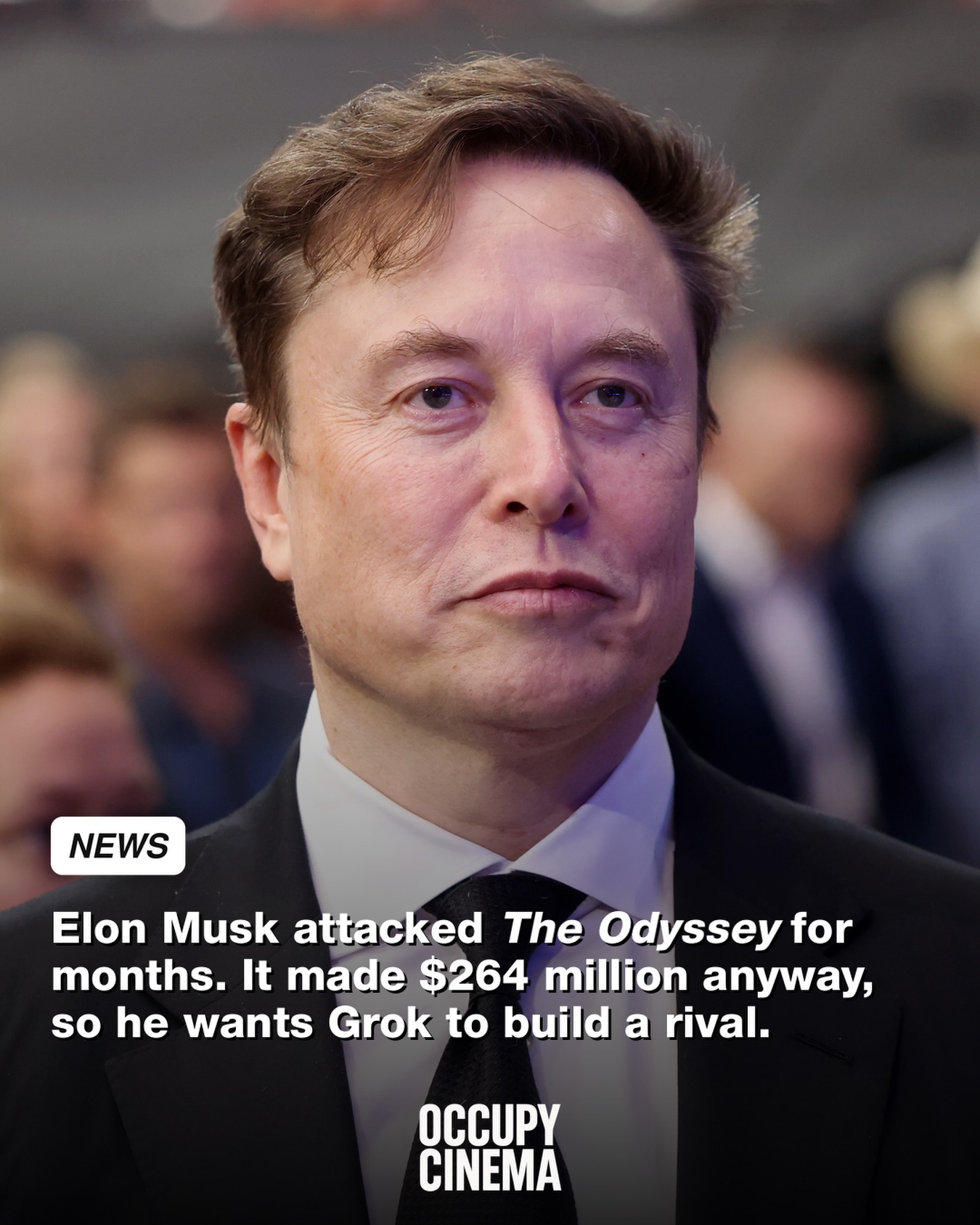
The golden light of a setting sun often casts long shadows, illuminating both the triumphs and the curious distractions that play out on the world stage. So it is with Christopher Nolan's The Odyssey, a film that has, in its nascent life, become a focal point not just for cinematic discussion, but for an unusual, persistent campaign from an unexpected corner of the internet. The film opened with an undeniable surge, sweeping across screens and capturing the attention of audiences globally, yet an undercurrent of commentary has attempted to divert the narrative.
The numbers speak with a resounding clarity. The Odyssey, far from being overshadowed, has emerged as a titan at the box office. It secured the largest live action opening of the year, a remarkable feat that underscores its broad appeal and Nolan's enduring draw. Domestically, it garnered a substantial sum, with its worldwide reach pushing its total even higher. This performance surpasses even the impressive launch of Nolan's own The Dark Knight Rises more than a decade ago, marking a new pinnacle in his career. The glowing A CinemaScore from audiences further solidifies its reception, indicating a widespread approval that transcends mere initial curiosity.
The Craft Behind the Epic
Nolan's commitment to tangible filmmaking remains a hallmark of his work, and The Odyssey is no exception. We are told the film was captured almost entirely on IMAX film, a testament to his belief in the immersive power of large format celluloid, and with minimal reliance on computer, generated imagery. This dedication to practical effects and authentic visuals creates a palpable texture, a sense of gravitas that grounds the epic scope of the narrative. It invites the audience into the world of the film with a physical presence, a rarity in an increasingly digital landscape, echoing the tactile beauty found in the works of directors like Andrei Tarkovsky or Akira Kurosawa, who built worlds rather than rendering them.
Whispers in the Digital Wind
Yet, amidst this cinematic achievement, there has been a curious, almost theatrical, counter, narrative. Since January, a prominent figure, Elon Musk, has waged a public campaign against the film, initially targeting what he perceived as unconventional casting choices. His objections began with the casting of Lupita Nyong'o as Helen of Troy, then escalated with rumors surrounding Elliot Page's involvement. It is worth noting, for factual clarity, that Elliot Page portrays Sinon, a character drawn into the narrative from Virgil's Aeneid, and not Achilles as some online speculation suggested. Nolan, with a calm resolve, has dismissed this digital clamor as simply irrelevant, a perspective that seems affirmed by the film's undeniable success.
The film's performance suggests that the audience's engagement with the art itself remains paramount, transcending external debates.
The latest development in this ongoing online saga involves Musk's AI chatbot, Grok, which he claims will produce a full, length, historically accurate version of The Odyssey. This announcement was accompanied by a short, AI, generated film created by a follower using Grok Imagine. While the ambition to explore new forms of storytelling through artificial intelligence is a fascinating prospect, it also highlights a distinct divergence: the organic, collaborative, human, driven endeavor of traditional filmmaking versus the algorithmic generation of content. The success of Nolan's film, born from countless human hands and minds, stands as a powerful counterpoint, a reminder of the enduring power of authored vision. The silence of a dark cinema, the collective breath held in awe, remains a unique and deeply human experience, impervious to the digital noise outside its walls. The conversation continues, but the film, in its quiet power, has already spoken volumes.
Luna Greenwood, World and Arthouse, Occupy Cinema.
Related reading: Making Movies by Sidney Lumet, a master class on the craft of filmmaking.