Occupy Cinema › Film News
Emily Wilson Reviews Christopher Nolan: When Epic Ambition Meets Classical Reality
The acclaimed Homer translator takes aim at the director's maximalist style in a sharp review for the London Review of Books.
By Occupy Cinema ·
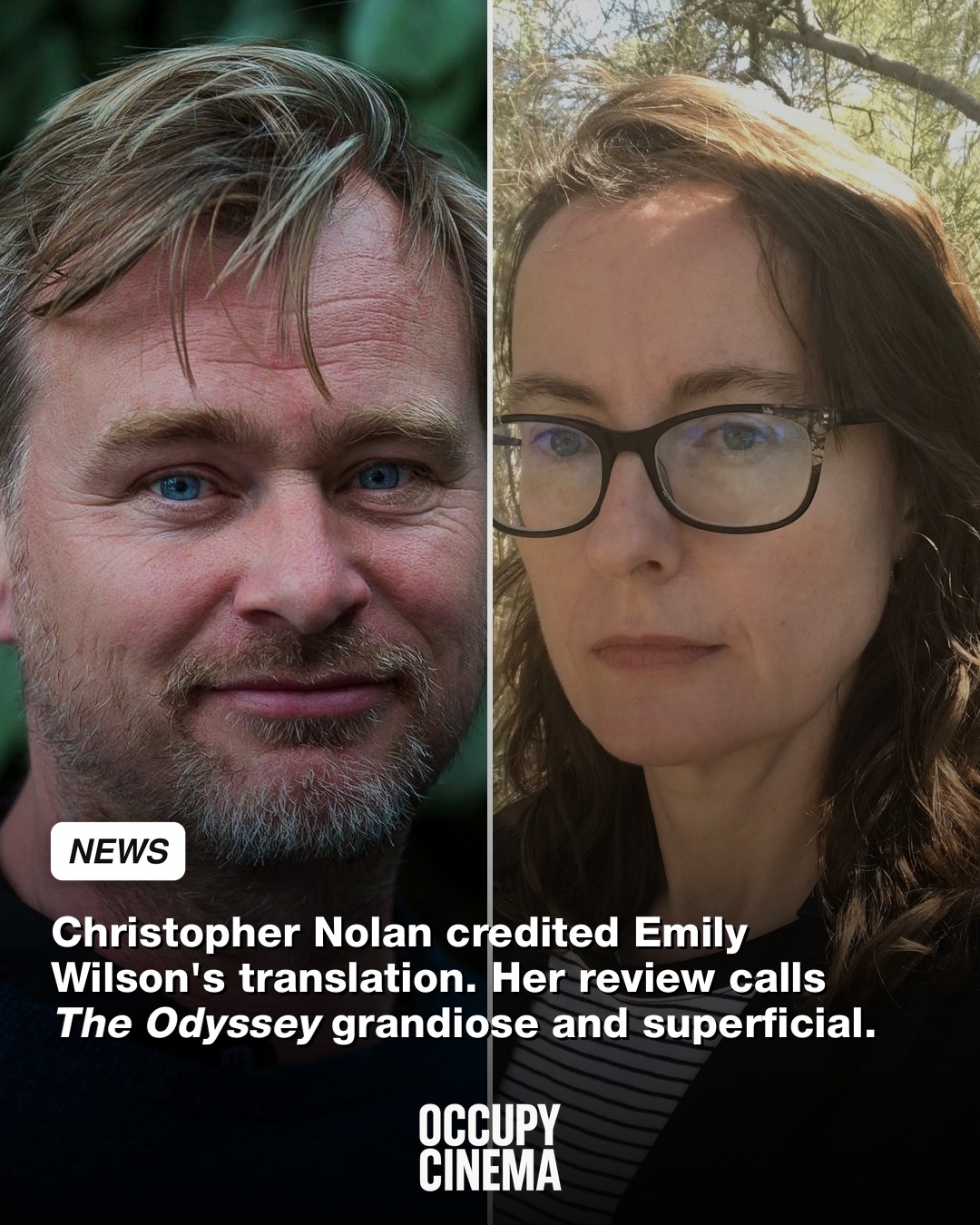
When a major studio filmmaker invokes high classical scholarship on a multi, city press tour, intellectual prestige becomes part of the marketing roll, out. Director Christopher Nolan spent months pointing journalists toward classicist Emily Wilson and her acclaimed 2017 translation of Homer's epic poetry. Citing her iconic opening translation, "Tell me about a complicated man, " the auteur framed his cinematic vision as an intricate psychological exploration of heroic burden. Now, the scholar at the center of that press cycle has weighed in with a detailed critical response, and her assessment cuts straight through the studio hype.
Writing for the London Review of Books under the sharp headline "An Uncomplicated Man, " Wilson offers a razor, sharp critique of the director's narrative choices. Her review directly dismantles the press tour narrative. Where months of promotional coverage promised a deeply layered character portrait rendered on a massive canvas, Wilson finds a film that trades authentic interiority for relentless sensory overload. The literary endorsement that helped anchor the movie's pre, release prestige campaign has turned into a brutal interrogation of blockbuster cinema's modern aesthetic.
The Anatomy of Grandiosity
At the core of Wilson's essay is a devastating breakdown of Nolan's visual and auditory grammar. She writes that the film displays his signature combination of visual grandiosity and narrative superficiality, noting a total absence of directorial restraint. Every second of screen time is packed with aggressive incident, bright flashing light shifts, and dense sonic layers, leaving no room for quieter human moments. In Wilson's view, the overwhelming scale of the presentation actively smothers the delicate emotional beats required to portray a truly multifaceted protagonist.
That critique touches on technical tradecraft that cinematic audiences know well. Over a decades, long career, Nolan has built a formidable box office legacy by championing giant, format IMAX photography, practical effects, and immersive audio design. As noted by IndieWire, his approach to rhythm relies heavily on cross, cutting multiple timelines and pushing dynamic orchestral scoring to the front of the audio mix. While this formula consistently delivers event, level theatrical attendance, Wilson argues that such non, stop kinetic pressure renders genuine human complexity impossible.
Blockbuster Scale vs. Classical Restraint
The tension between Wilson's literary critique and Nolan's cinematic execution highlights a permanent structural problem in contemporary studio filmmaking. Major distributors invest hundreds of millions of dollars into event titles, demanding high, tempo spectacle to secure global theatrical screens and premium format surcharges. According to reporting from Variety, tentpole releases must maintain continuous visual momentum to hold international audiences. In that high, stakes commercial environment, quiet reflection, ambient silence, and dramatic stillness are routinely viewed as financial risks. When ancient text is filtered through modern blockbuster priorities, epic scope almost always triumphs over psychological nuance.
This high, profile literary rebuttal provides a necessary reality check for an industry increasingly reliant on literary credentials for artistic legitimacy. Quoting an esteemed translation during a press junket offers a film instant prestige, but true thematic depth cannot be generated by sound design or large, format camera lenses alone. As studios continue searching for mythic material to fuel tentpole slates, Wilson's critique remains a clear warning. A cinematic protagonist does not become complicated simply because his story is projected on an eight, story screen at maximum volume.
Related reading: Sound Design (Sonnenschein).