Occupy Cinema › FEATURED
Multiplex Projection: Dim Screens and Dwindling Standards
A 2015 incident involving a screening of 'Joy' at a multiplex sparked a critical discussion about declining projection quality, revealing a stark disconnect between audience experience, exhibitor practices, and studio expectations.
By Occupy Cinema ·
The Dim Truth About Multiplex Screens
The year 2015 brought a sharp focus to a persistent, often unaddressed problem in modern cinema exhibition: subpar projection quality. An audience member, Eric Myers, attending a screening of David O. Russell's film 'Joy' at a multiplex, reported to TIME that the image appeared “flat, dim, and dull.” This seemingly isolated complaint quickly unspooled a larger narrative about the state of moviegoing and the technical standards, or lack thereof, in many commercial theaters. The incident highlighted a critical disconnect between the immersive experience promised by the cinema industry and the reality delivered to paying customers.
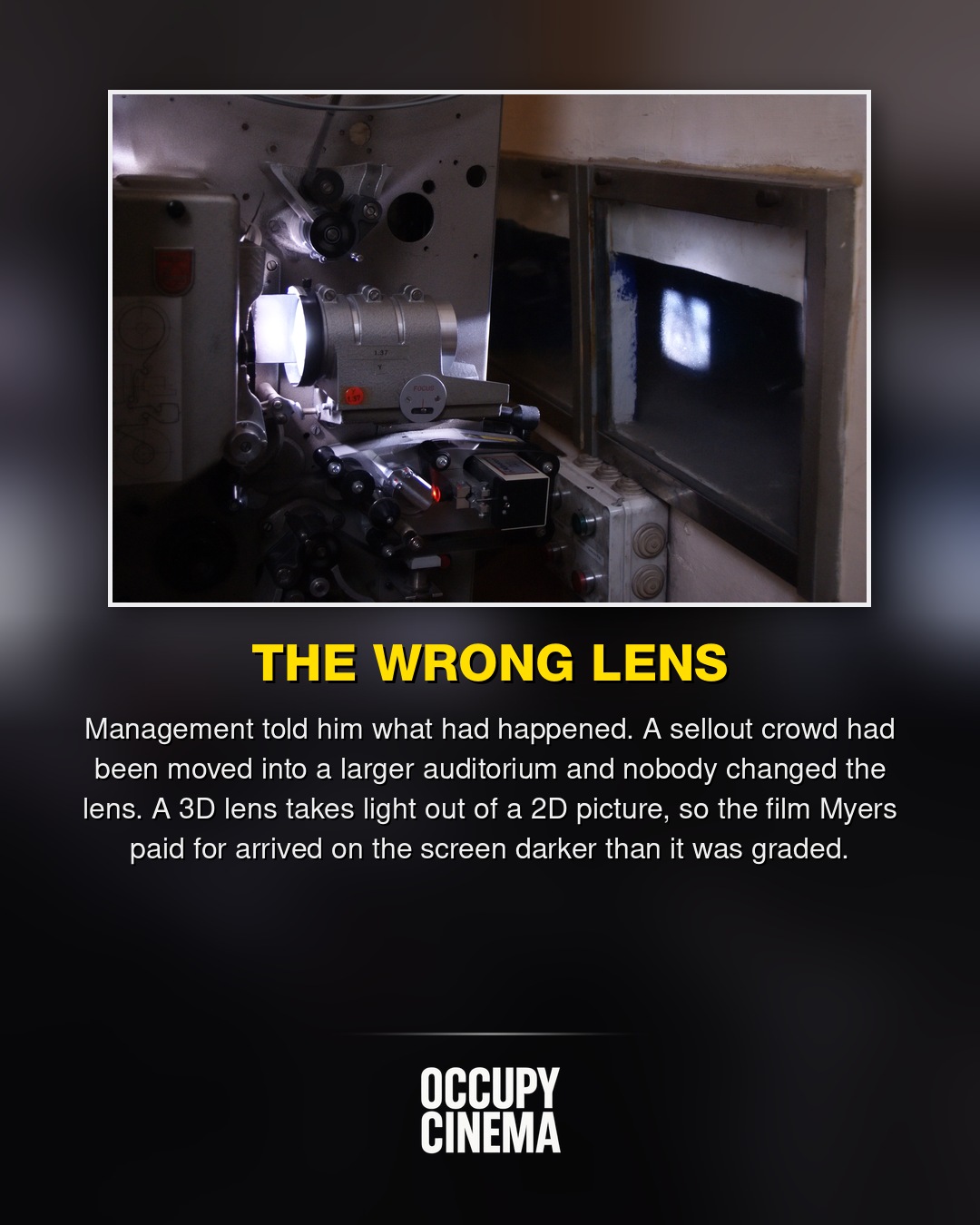
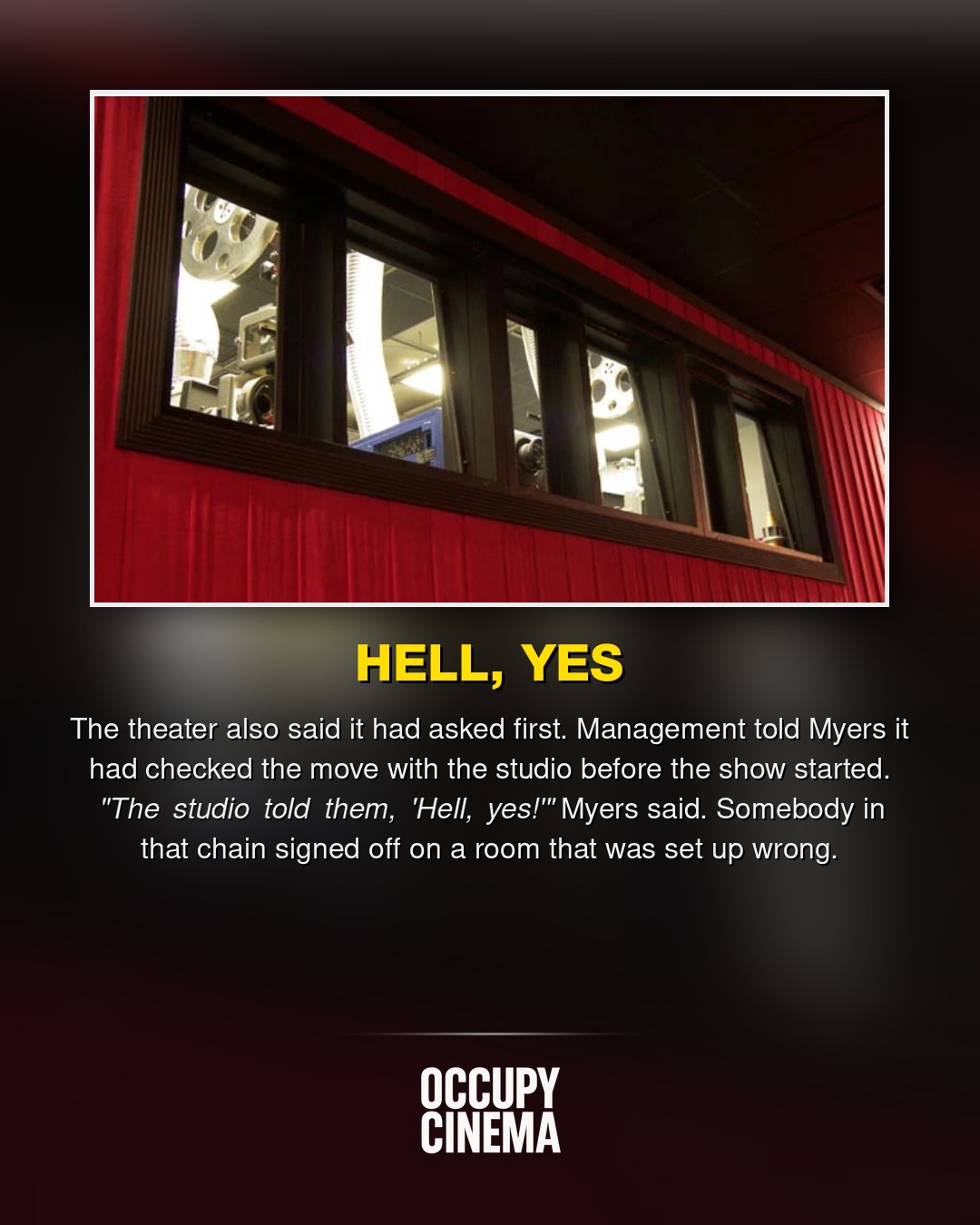
The initial response from the theater management was particularly revealing. They claimed that a sellout crowd had been moved to a larger auditorium without a corresponding lens change, and that a studio had cleared this operational compromise. This explanation immediately raised eyebrows within the industry. A studio executive, speaking on background, categorically denied that any major studio would ever approve such a deviation from technical specifications, emphasizing the studios' vested interest in their films being presented as intended by the filmmakers. This points to a fundamental tension: exhibitors prioritizing logistics and cost savings, potentially at the expense of artistic integrity and audience satisfaction.
The Numbers Don't Lie, Or Do They?
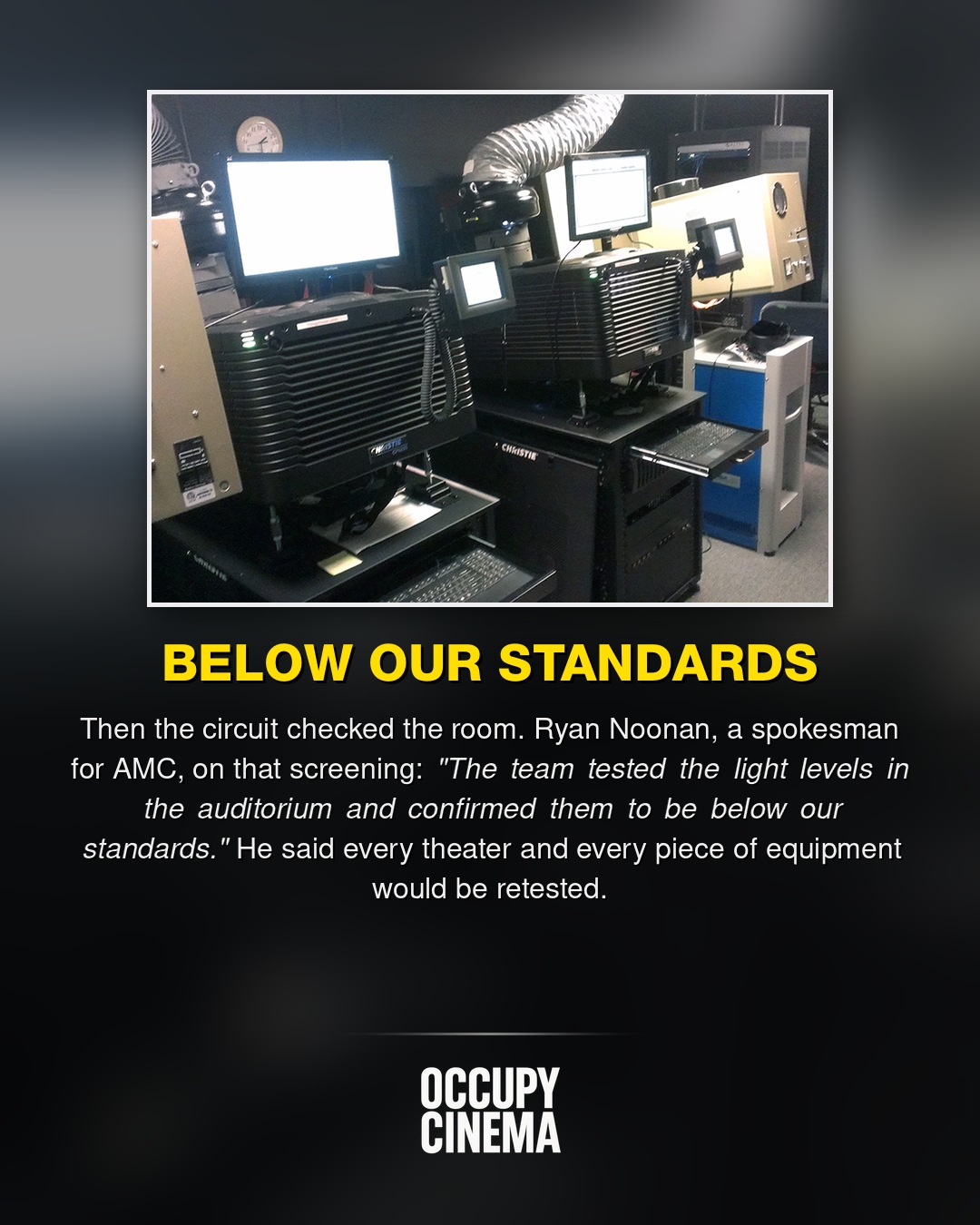
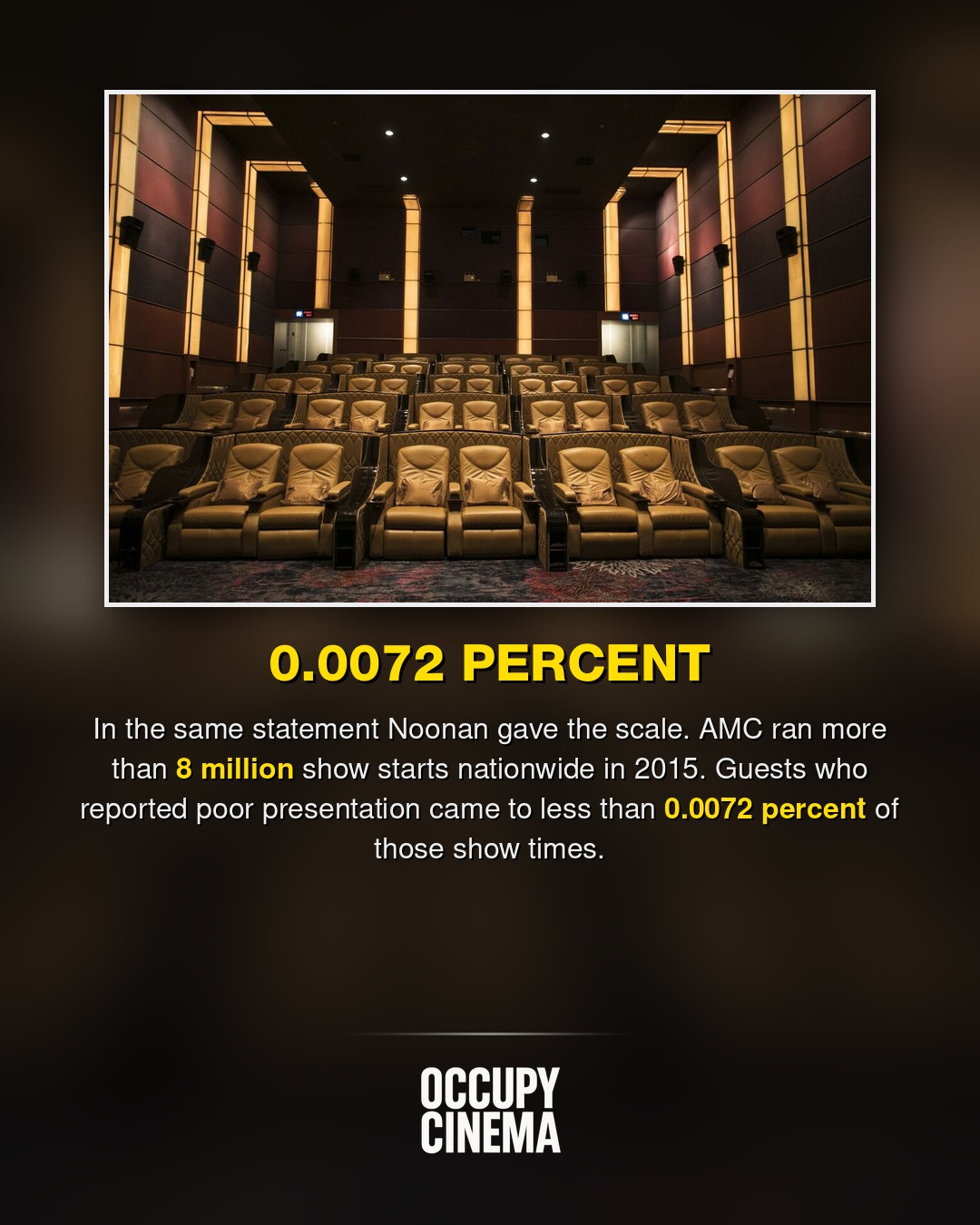
Following the public outcry, AMC, the theater chain involved, conducted an internal audit of the specific auditorium. Their findings confirmed the audience's complaint: the light output was indeed below AMC's own established standards. This admission validated the concerns of viewers like Myers and underscored the importance of diligent maintenance and adherence to technical guidelines. However, an AMC spokesman attempted to contextualize the issue by stating that fewer than 0.0072 percent of more than 8 million show starts in 2015 drew any report at all. While statistically small, this figure does not account for the vast majority of moviegoers who might not complain, or who may not even recognize poor projection quality, having become accustomed to it.
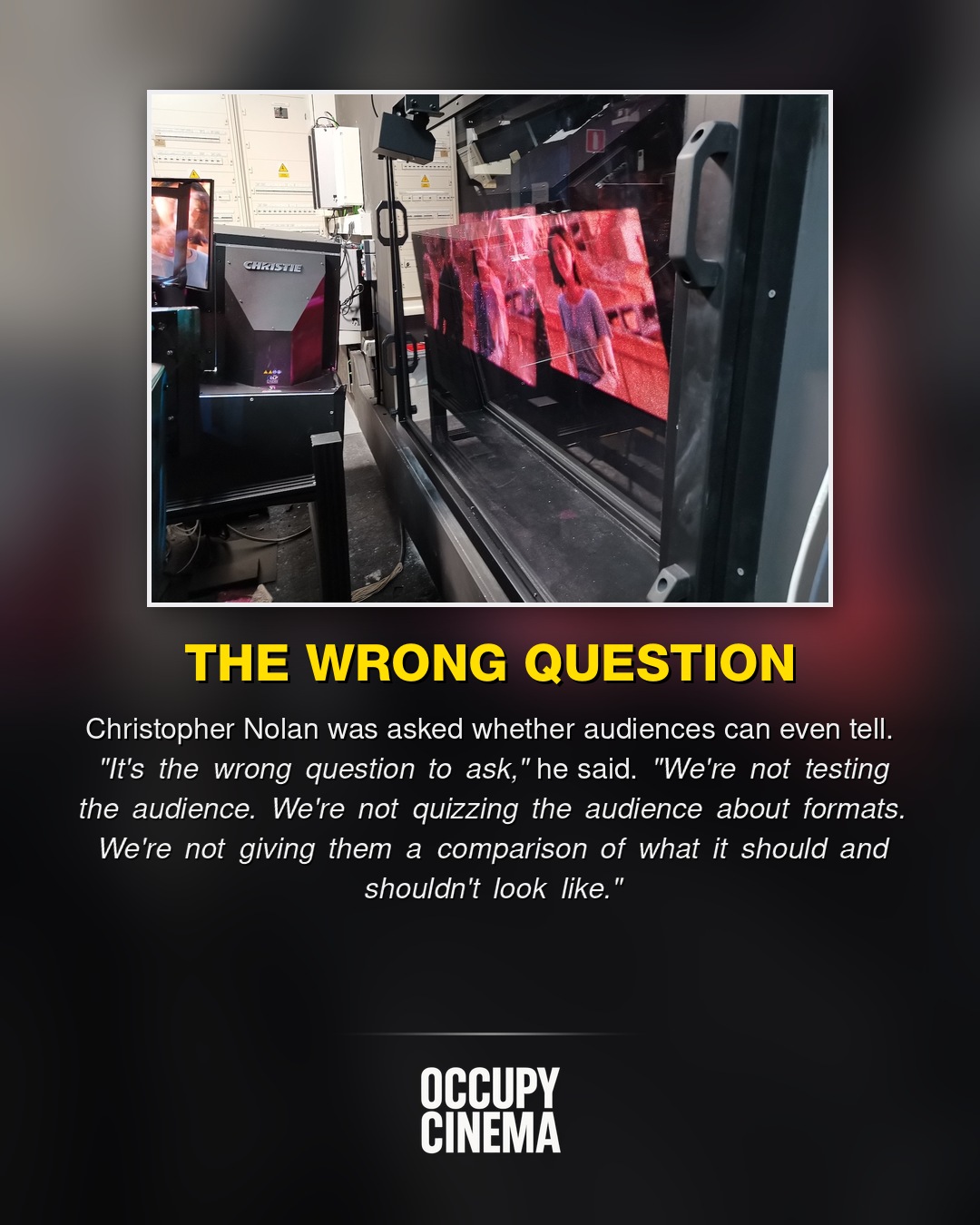
The 'Joy' incident, while specific, resonated with a broader concern among cinephiles and filmmakers alike. The transition from 35mm film to digital projection, while offering logistical benefits, also lowered the barrier to entry for exhibiting films, sometimes at the cost of projection expertise. Digital projectors require calibration and maintenance to maintain optimal brightness and color accuracy, aspects that can be neglected in cost-conscious operations. Filmmakers like Christopher Nolan and Paul Thomas Anderson have been vocal advocates for maintaining high exhibition standards, often championing formats like 70mm to ensure their cinematic vision is fully realized on screen. Their efforts underscore that the quality of exhibition is an integral part of the filmmaking craft.
The financial implications for exhibitors are clear. Investment in modern, well-maintained projection equipment, and critically, in skilled projectionists, represents a significant operational cost. In an era of declining theatrical attendance and increasing competition from streaming, some multiplexes may see these investments as expendable. Yet, the irony is that a diminished theatrical experience further erodes the incentive for audiences to leave their homes, creating a downward spiral for the industry. The multiplex experience, once the gold standard, now frequently struggles to justify its premium ticket prices.
This episode serves as a potent reminder that the magic of cinema extends beyond the film itself to the quality of its presentation. As the industry grapples with evolving consumption habits, ensuring a consistently high-quality theatrical experience is not merely a technical detail; it is a fundamental pillar of cinema's enduring appeal. Without it, the distinction between a theatrical release and a home viewing experience blurs, potentially to the detriment of the entire ecosystem of film. The audience's vigilance remains a crucial check on exhibition standards, reminding the industry that every single show start matters.


Related reading: The Prestige [4K Ultra HD + Blu-ray].