Occupy Cinema › Box Office
High Notes and Hard Cash: How Event Cinema Became a Box Office Mainstay
Bleecker Street and LD Entertainment prepare to bring the Tony, winning Hadestown to North American theaters in 2026, proving once again that filmed theater is a high, margin powerhouse.
By Occupy Cinema ·
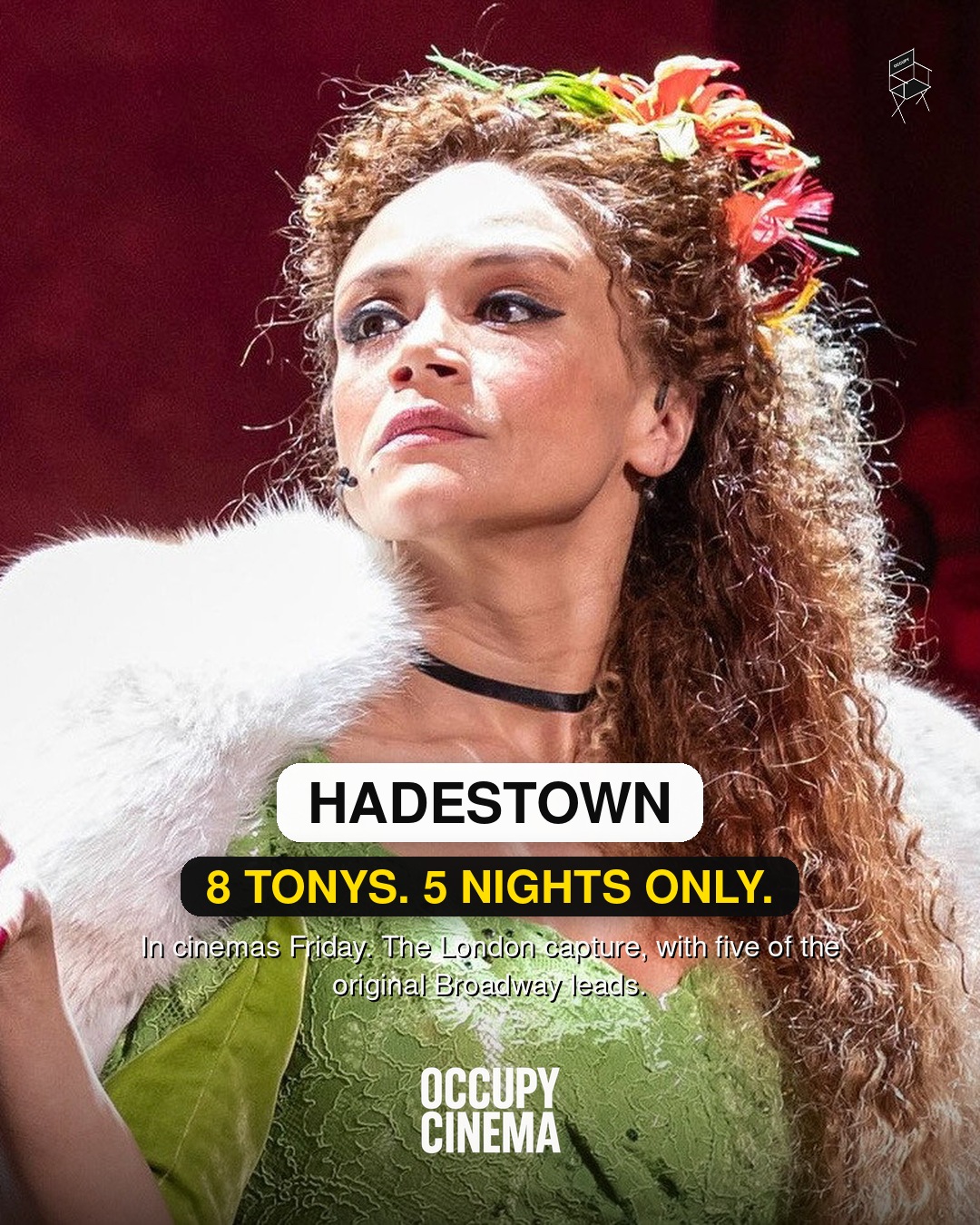
Hadestown is heading to North American movie theaters on July 24, 2026, distributed by Bleecker Street's Crosswalk label in partnership with LD Entertainment. Filmed across three live performances in London's West End during 2025, the captured production features five original Broadway principals, including Tony winners André De Shields and Patrick Page. This release is far more than a simple gift for theater lovers. It represents a precise, calculated expansion of event cinema, a sector that routinely delivers high profit margins on remarkably low overhead costs.
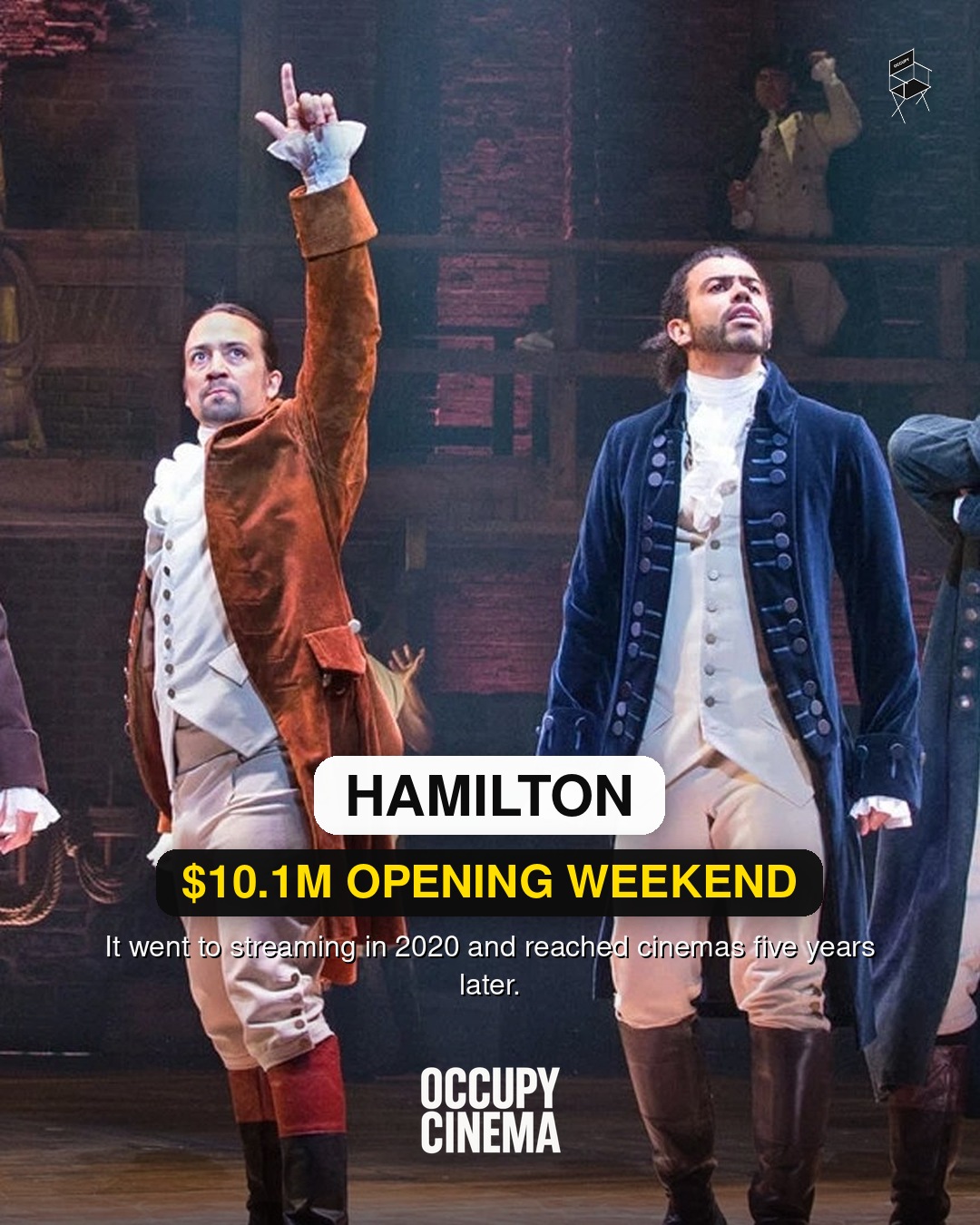
The financial blueprint for modern event cinema traces back to December 2006, when The Metropolitan Opera launched its live satellite broadcast series in movie theaters. In 2009, Britain's National Theatre Live refined the model by broadcasting a production of Phèdre starring Helen Mirren to 70 UK cinemas. The economic engine behind these releases relies on simple mechanics. Digital files eliminate the physical distribution and print expenditures associated with wide Hollywood rollouts, while limited, window scheduling generates urgency, driving high theater occupancy during traditionally quiet weekdays.
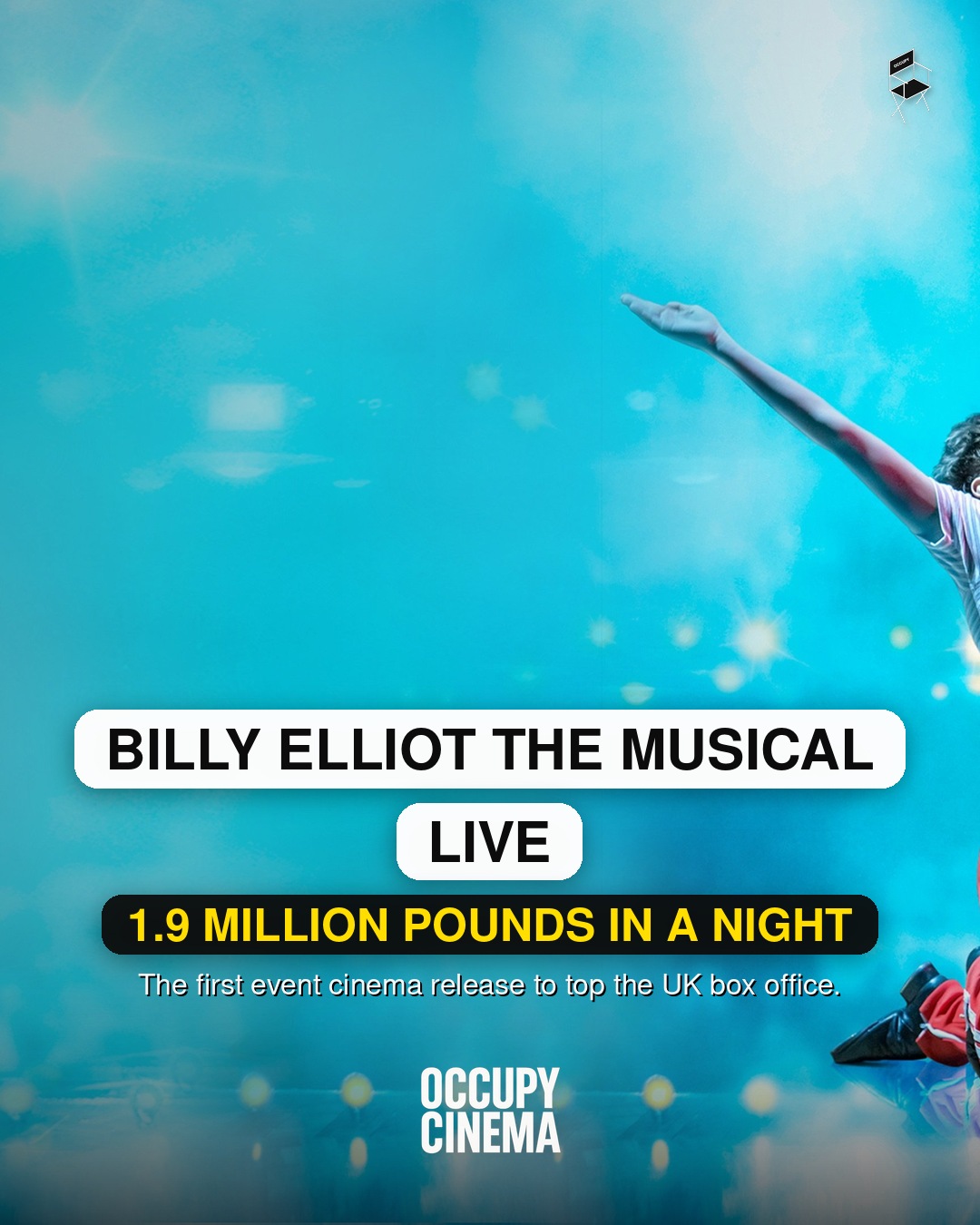
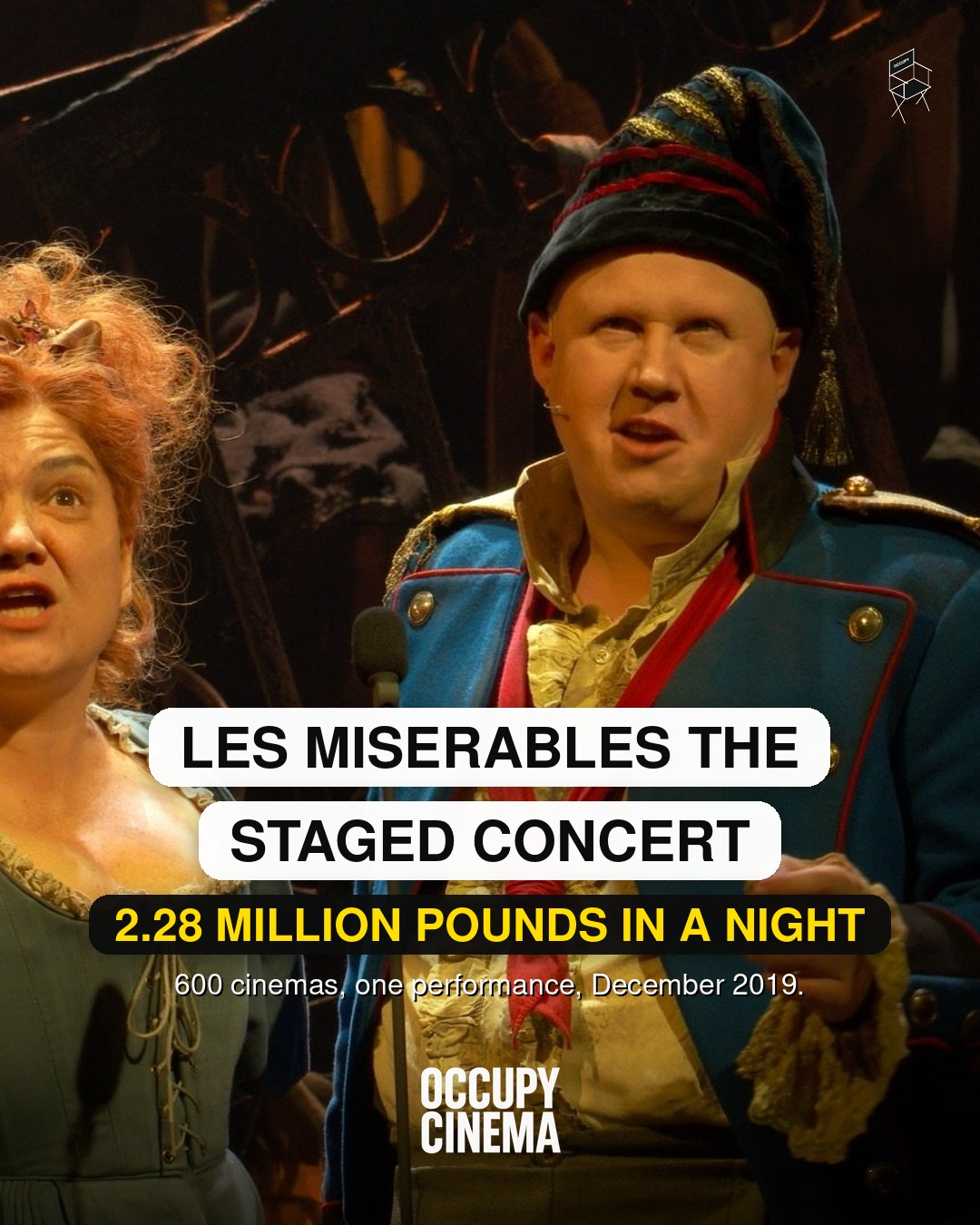
The commercial upside of this model became obvious in international box office figures. In September 2014, The Guardian reported that Billy Elliot the Musical Live generated £1.9 million in a single evening, becoming the first event cinema release to top the UK box office. That record stood until 2019, when Les Misérables: The Staged Concert earned £2.28 million in a single weekend. Industry reporting in Deadline has repeatedly noted how captured theatrical performances consistently yield impressive seat fill rates, offering exhibitors guaranteed revenue with minimal marketing spend.
A Stage, to, Screen Formula Built on Scarcity
Originally directed on Broadway by Rachel Chavkin, Anaïs Mitchell's folk, opera Hadestown dominated the 2019 Tony Awards, securing eight wins from 14 nominations. Bringing that production to the big screen gives Bleecker Street and LD Entertainment a battle, tested property with built, in brand awareness. Bleecker Street created its Crosswalk imprint to explicitly target this space. By securing the rights to the London production, the companies are capitalizing on an established fan base that is eager to pay top, tier admission prices for front, row views of world, class stage performances.
From a technical standpoint, translating live stagecraft into a compelling cinematic experience demands careful calibration. Capturing Hadestown across three live London performances allowed camera operators to record spatial stage choreography while gathering close, ups of key dramatic beats. Lighting setups designed for live theater must be slightly adjusted or dynamically color, graded during post, production to ensure high, definition digital cameras capture detail without blowing out stage highlights. The result is a hybrid art form that preserves the energy of live theater inside the acoustic and visual precision of a modern auditorium.
The Future of Hybrid Exhibition
As theatrical exhibition navigates shortened streaming windows and shifting consumer habits, event cinema provides a durable alternative model. Specialty distributors are recognizing that theatrical captures offer predictable returns without the volatility of traditional indie film rollouts. Exhibitors benefit from turn, key content that fills auditoriums on slow nights, while audiences gain access to top, tier theatrical productions at a fraction of Broadway ticket prices. The July 2026 debut of Hadestown demonstrates that live captures are no longer treated as mere novelties, but as essential, recurring drivers of cinema revenue.
Related reading: The Big Picture: The Fight for the Future of Movies.