Occupy Cinema › FEATURED
The Autumn Scramble: Inside the Battle for Oscar International Feature Submissions
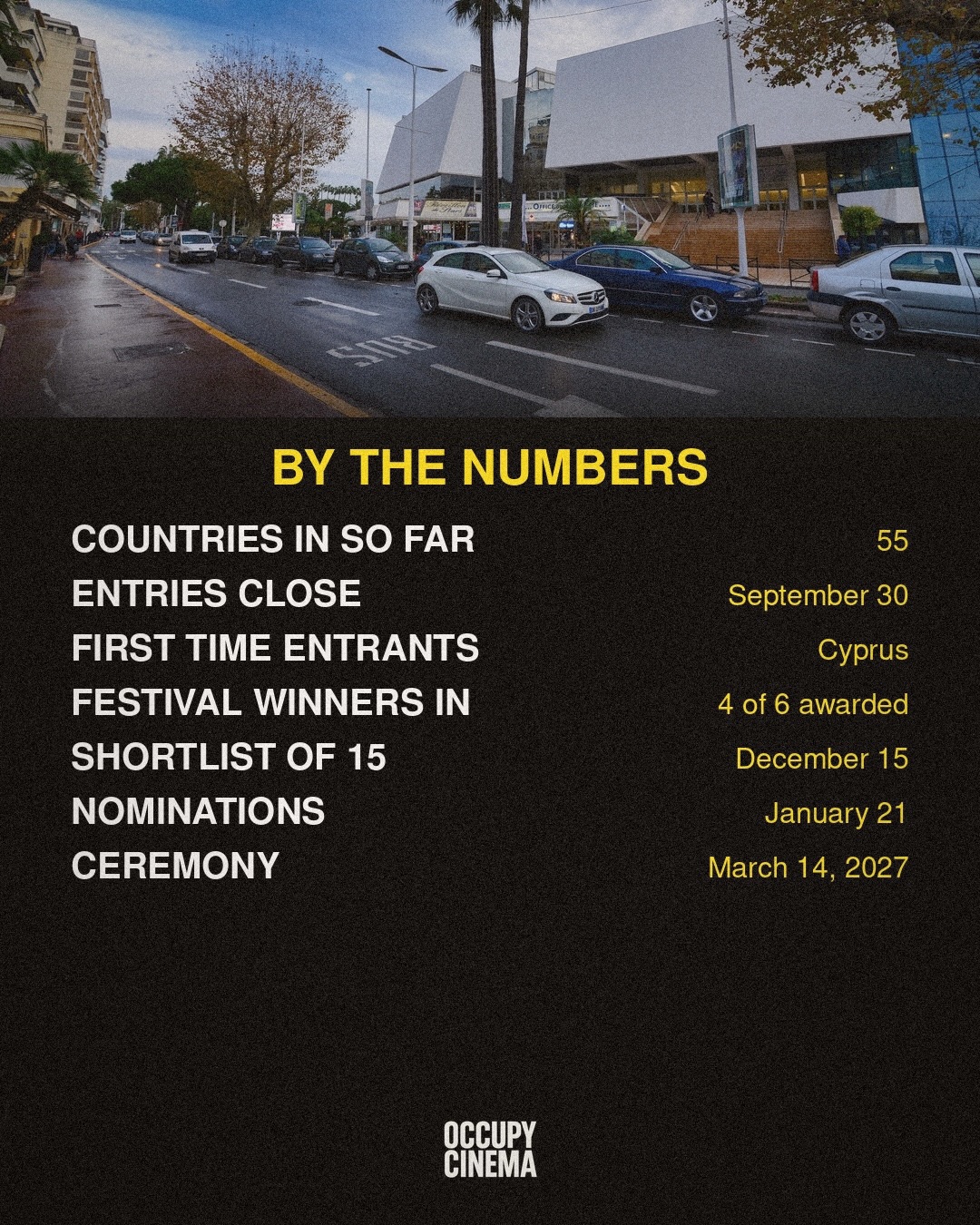
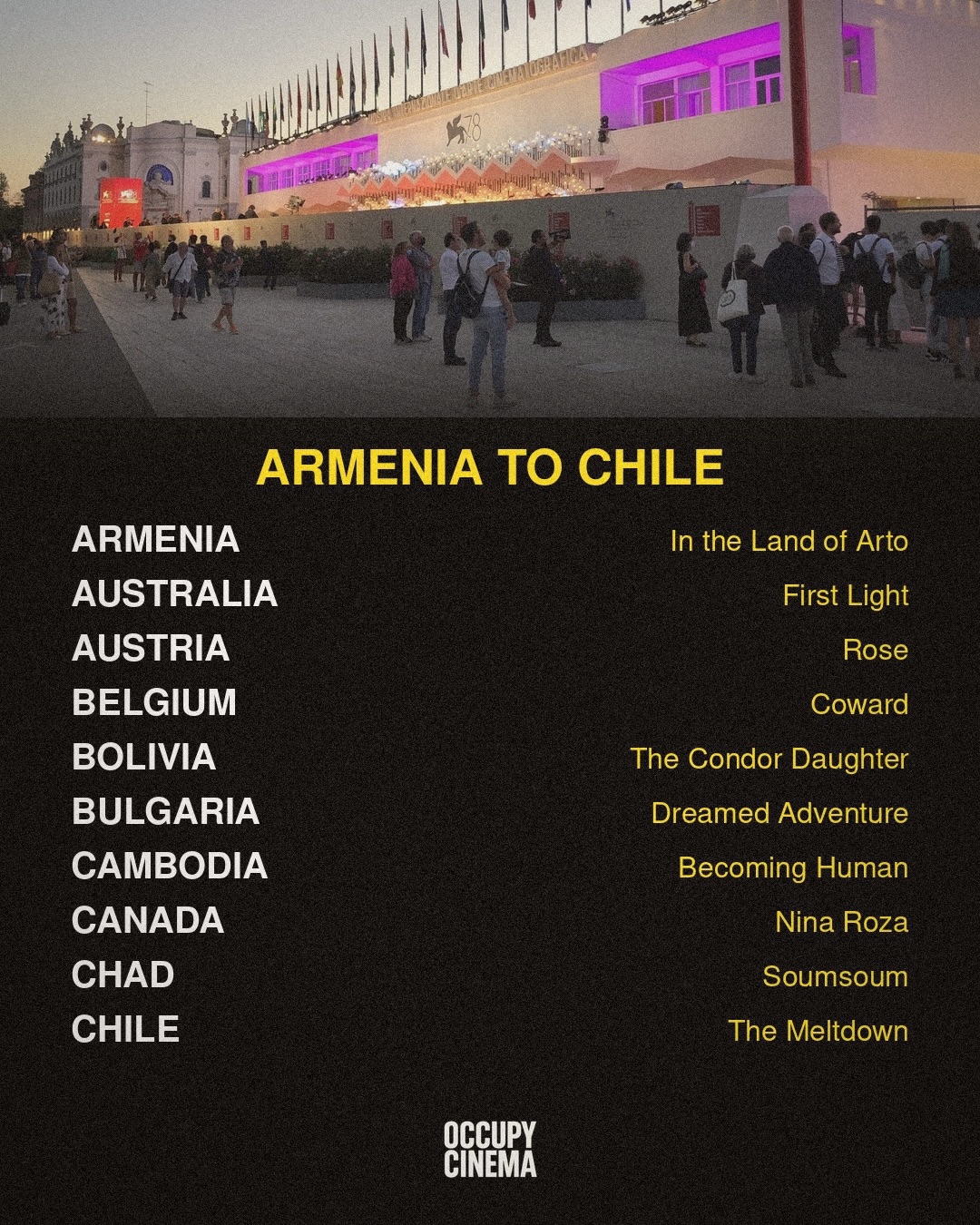
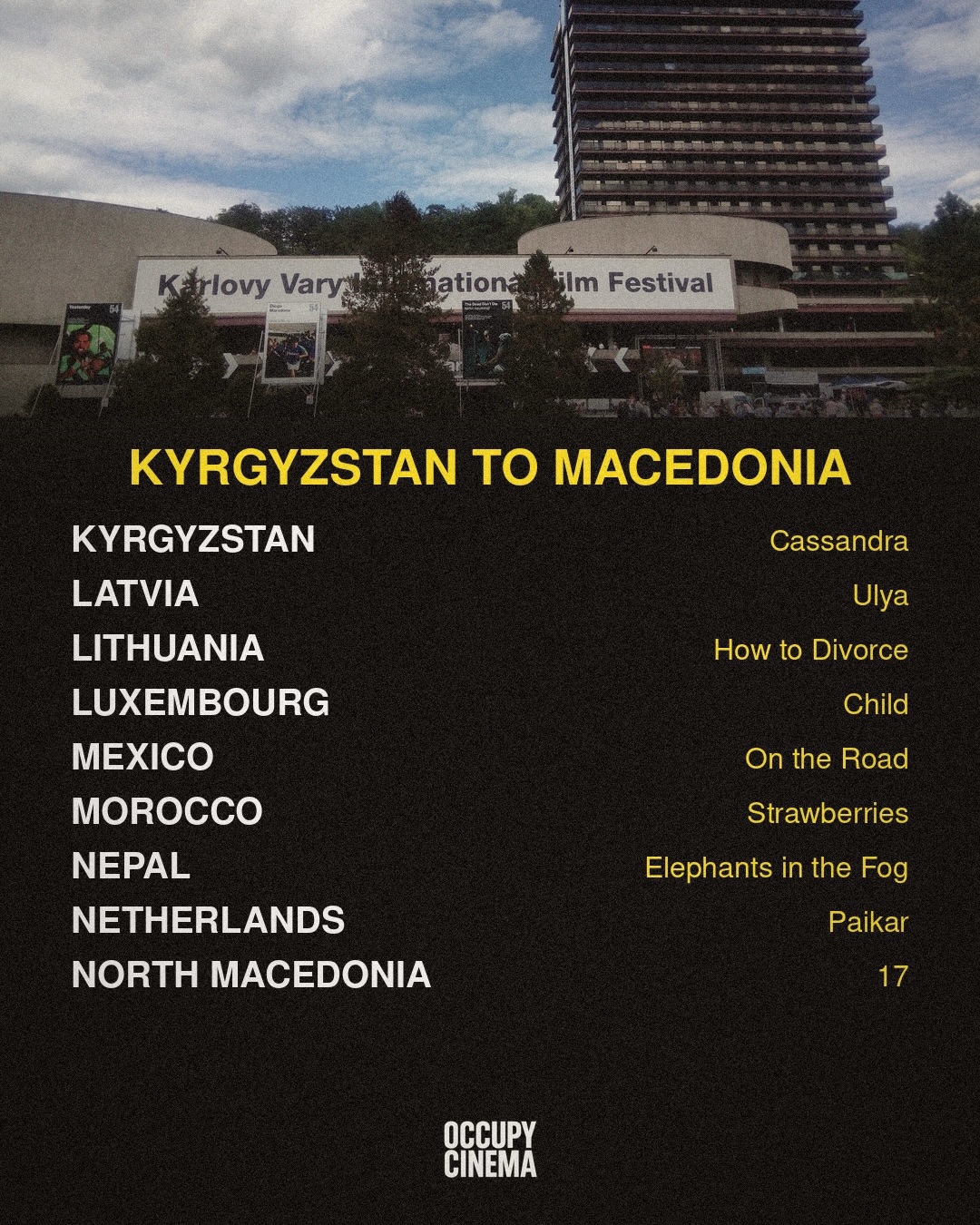
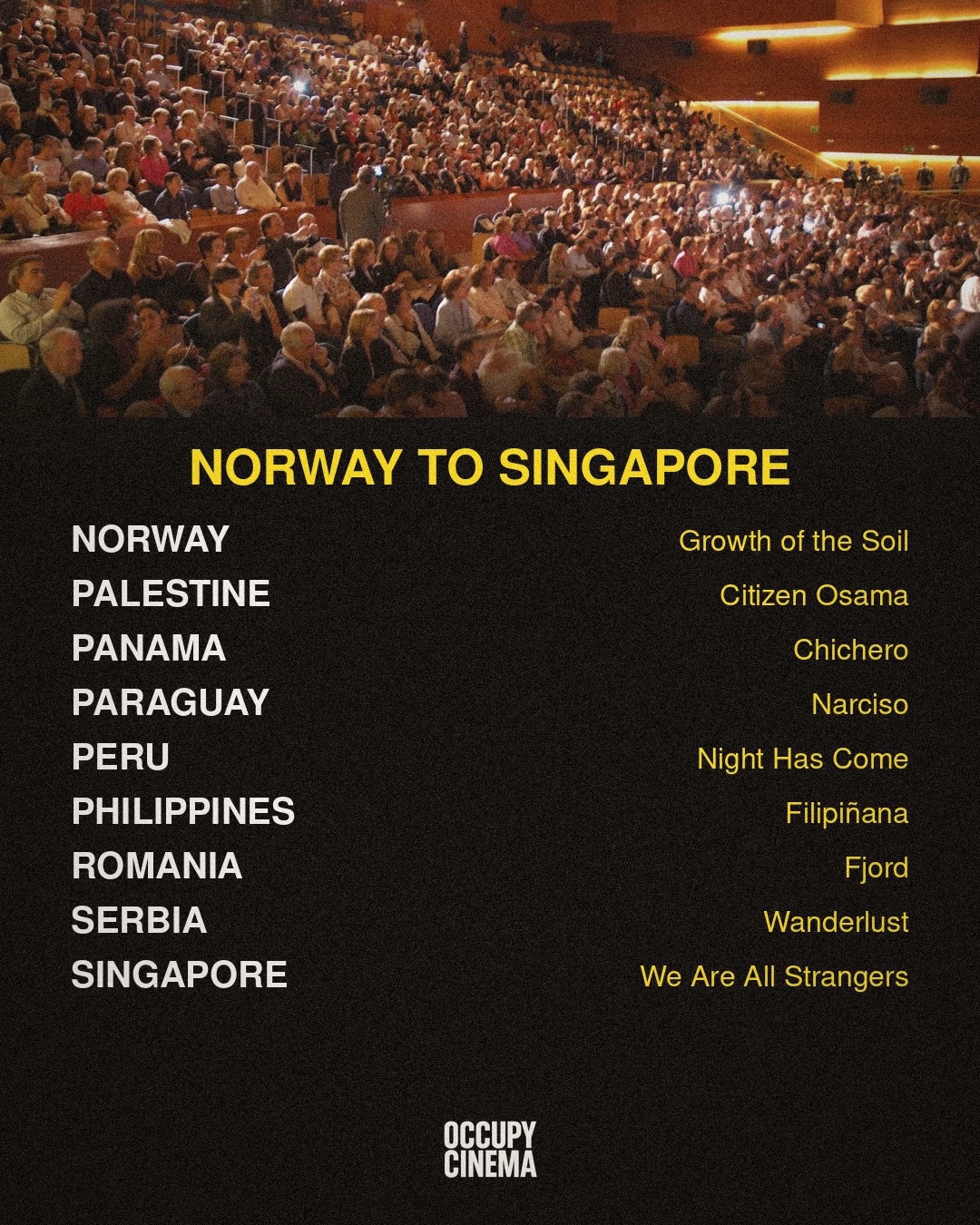
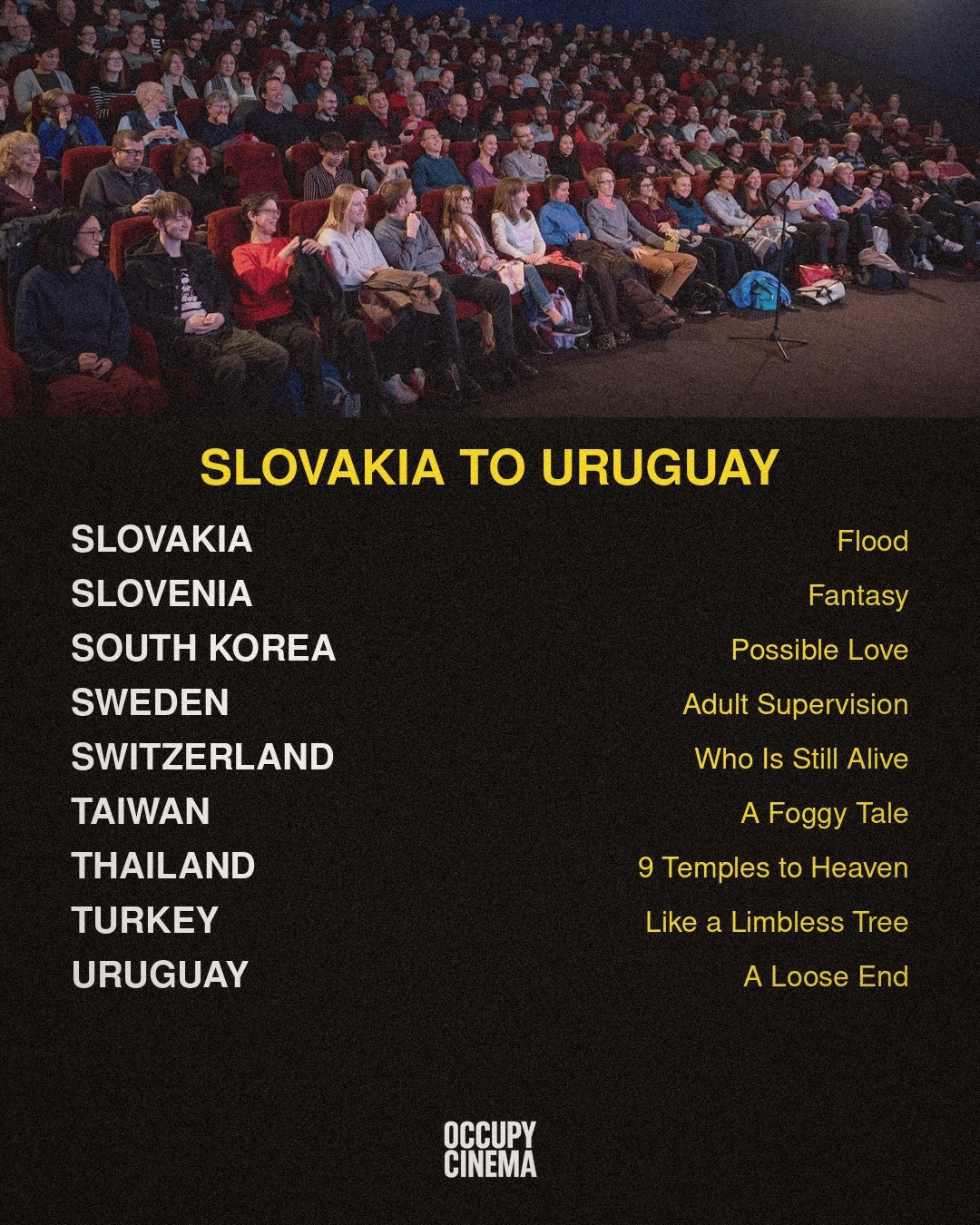
With over fifty nations locking their official contenders before the September 30 deadline, the Best International Feature race is testing both national committee politics and the Academy's expanding festival pipelines.
By Occupy Cinema ·

The annual September rush to lock down submissions for the Academy Award for Best International Feature Film has become cinema's most politically fraught parlor game. By the final week of September, more than fifty nations have registered their official selections with the Academy of Motion Picture Arts and Sciences. The deadline on September 30 formalizes a roster that usually swells past ninety titles, each representing a complex convergence of domestic culture ministry politics, international festival prestige, and aggressive boutique distribution stateside. For boutique distributors like Neon, Sony Pictures Classics, and MUBI, this window is where multi-million-dollar awards campaign allocations are signed into reality.
The mechanics of the International Feature category remain distinct from every other Oscar race. While domestic studio contenders maneuver through fall festival premieres at Telluride, Venice, and Toronto to build critic momentum, international hopefuls must first survive the insular vetting of their home countries' selection committees. Historically, these state-backed panels have often made baffling choices, bypassing internationally celebrated masterworks in favor of safe domestic crowd-pleasers or politically expedient historical dramas. When a national committee makes the consensus choice, the ripple effect across the festival ecosystem is immediate.
Festival Laurels, Committee Grudges, and the Bypassed Politics
This cycle brings into sharp focus the perennial tension between critical laurels and state patronage. When major festival winners take the top prizes on the Croisette or the Lido, domestic selection committees face immense external pressure to ratify those jury decisions. A Palme d'Or or a Venice Silver Lion essentially forces a committee's hand, offering a pre-packaged critical campaign that American trade voters recognize instantly. South Korea, which notoriously failed to submit Bong Joon-ho's celebrated films until Parasite broke the dam to sweep both International Feature and Best Picture, has leaned into its world-class auteur roster, leaning on revered figures such as Lee Chang-dong to anchor its cultural export strategy.
The stakes are just as high across East Asia and Europe. Japan, which struck gold two years ago with Ryusuke Hamaguchi when Drive My Car parlayed three Cannes awards into four Academy Award nominations and a win, continues to look toward its rigorous auteur class. Committees have learned that festival pedigree matters more than sheer domestic ticket sales. According to tracking from Variety, the correlation between Cannes main competition berths and the eventual fifteen-film December shortlist has climbed over the last decade, turning festival director Thierry Frémaux's May selections into the de facto longlist for Hollywood's winter campaign.
Yet sovereign committees still retain the power to disrupt expectations. France remains the category's most volatile selector. With an advisory committee that rotates top industry executives, sales agents, and filmmakers, the French panel regularly creates high-profile controversies. It famously omitted Justine Triet's Anatomy of a Fall, which had won the Palme d'Or, choosing instead Trần Anh Hùng's culinary period piece The Taste of Things. The move locked France out of the International Feature category entirely when Triet went on to secure five primary Oscar nominations, including Best Picture and Best Director, winning Best Original Screenplay. With France shortlisting contenders down to a final vote, the domestic pressure to avoid another procedural embarrassment hangs over every ballot cast.
The Expanding Global Map and the Road to December
Against the entrenched European powerhouses, smaller territories are staging historic incursions. Cyprus entering the Oscar fray represents a broader trend across the Mediterranean, the Caucasus, and the Middle East, where local film funds are aggressively scaling production grants to meet Academy qualification standards. In regions without established industrial distribution frameworks, an Oscar submission serves as institutional leverage. It attracts international co-production capital for future slates and secures streaming distribution acquisitions that would otherwise bypass modest national film sectors. Coverage in Screen Daily highlights how emerging national funds now view the entry fee and Academy screening portal presence as essential investments for sovereign cultural branding.
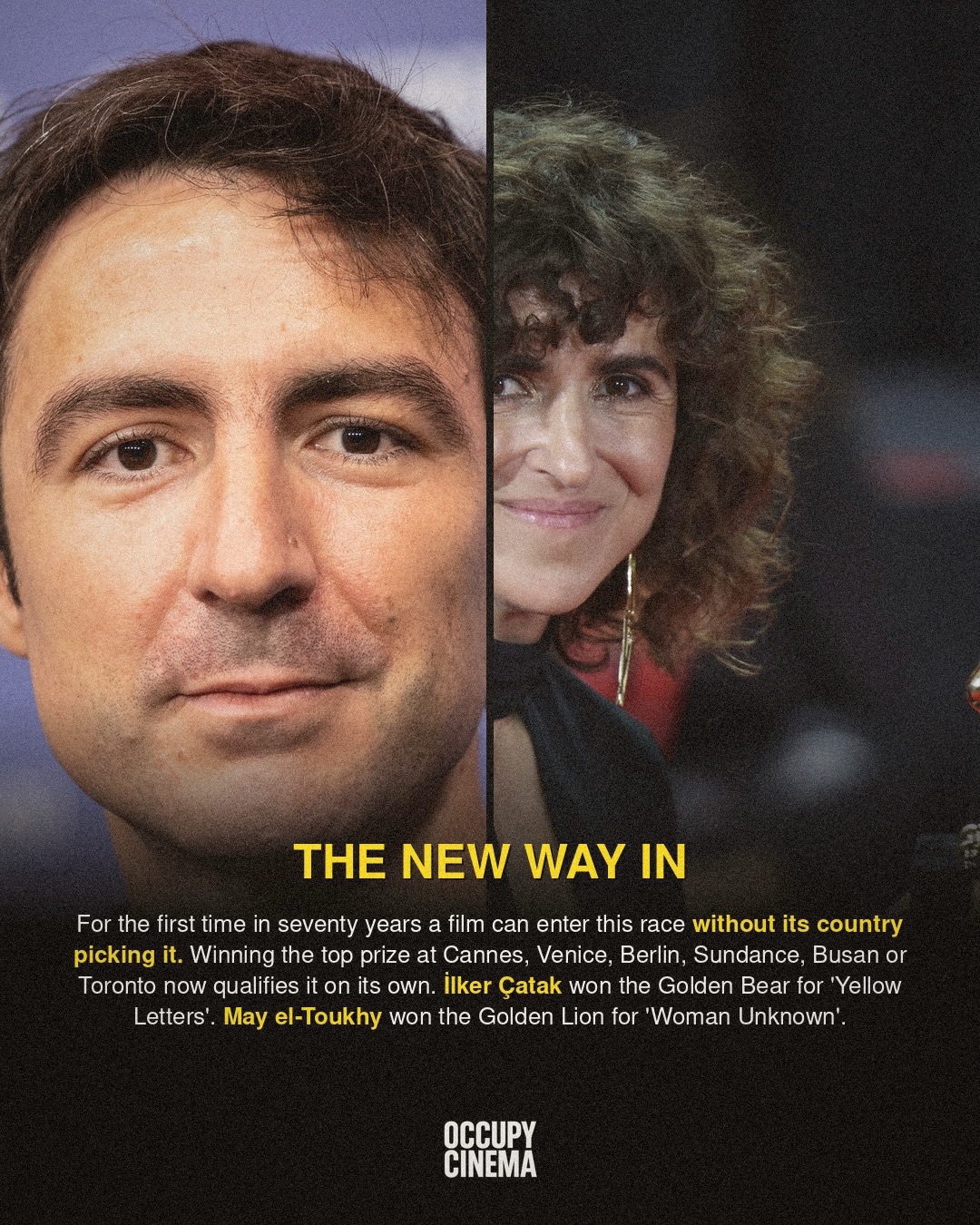
At the same time, the Academy's ongoing modernization of qualification avenues addresses long-standing historical blind spots. By gradually permitting broader festival paths and clarifying distributor requirements, the organization has tried to insulate vital cinema from vindictive domestic censorship. A director who finds themselves politically estranged from their home ministry can occasionally access independent qualification paths, especially when supported by prominent international festival platforming. For decades, autocratic censorship regimes held veto power over the careers of their most daring auteurs by simply refusing to submit their work. Recent procedural revisions acknowledge that world cinema cannot remain captive to bureaucrats.
Campaign finance determines what happens once the September 30 door shuts. Submitting a film costs relatively little; getting Academy members to watch it requires capital. The Academy portal hosts dozens of obscure entries that will struggle to register three hundred total views from voting members. Specialty distributors must mount physical Los Angeles and New York tastemaker screenings, take out targeted trade advertorial spreads, and coordinate talent travel for Q&A appearances before voting begins for the preliminary shortlist. For an independent foreign-language title without North American distribution, that campaign spend can easily exhaust the producer's entire promotional budget before December.
The timeline leaves little margin for error. On December 15, the Academy will announce the fifteen films that advance to the formal nominations round, winnowing eighty to ninety candidates down to an elite cohort. A general branch vote then trims that list down to the final five nominees. The films that survive this meat grinder do so through a combination of undeniable formal craft and disciplined theatrical positioning. As the race solidifies, the real competition is not between countries; it is between cinematic visions that demand the industry look beyond its domestic borders, proving that great cinema transcends both language and the bureaucratic committees tasked with selecting it.