Occupy Cinema › Awards
Clooney Sounds Alarm at Venice: AI, Mergers Threaten Hollywood's Future
George Clooney, accepting the Golden Lion for Lifetime Achievement at the 83rd Venice Film Festival, delivered a stark assessment of the industry's trajectory, warning of job losses from AI and questioning unchecked consolidation.
By Occupy Cinema ·
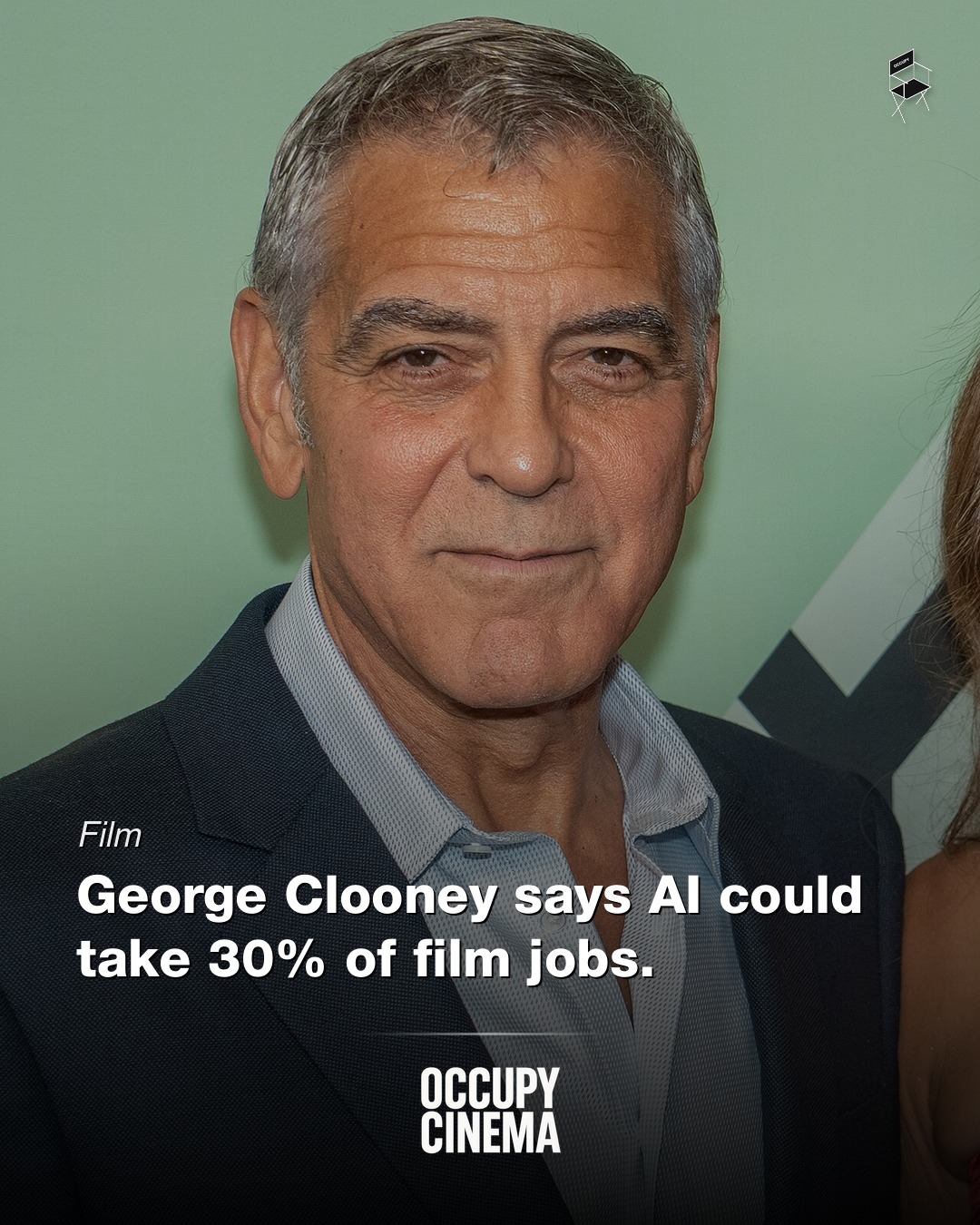
George Clooney, a titan of both screen and industry, pulled no punches at the 83rd Venice Film Festival. While accepting the Golden Lion for Lifetime Achievement, Clooney pivoted from career retrospection to a bracing critique of Hollywood's current landscape, characterizing it as nothing short of a “revolution.” His remarks, delivered with characteristic candor, painted a picture of an industry caught flat-footed by technological shifts and corporate maneuvering.
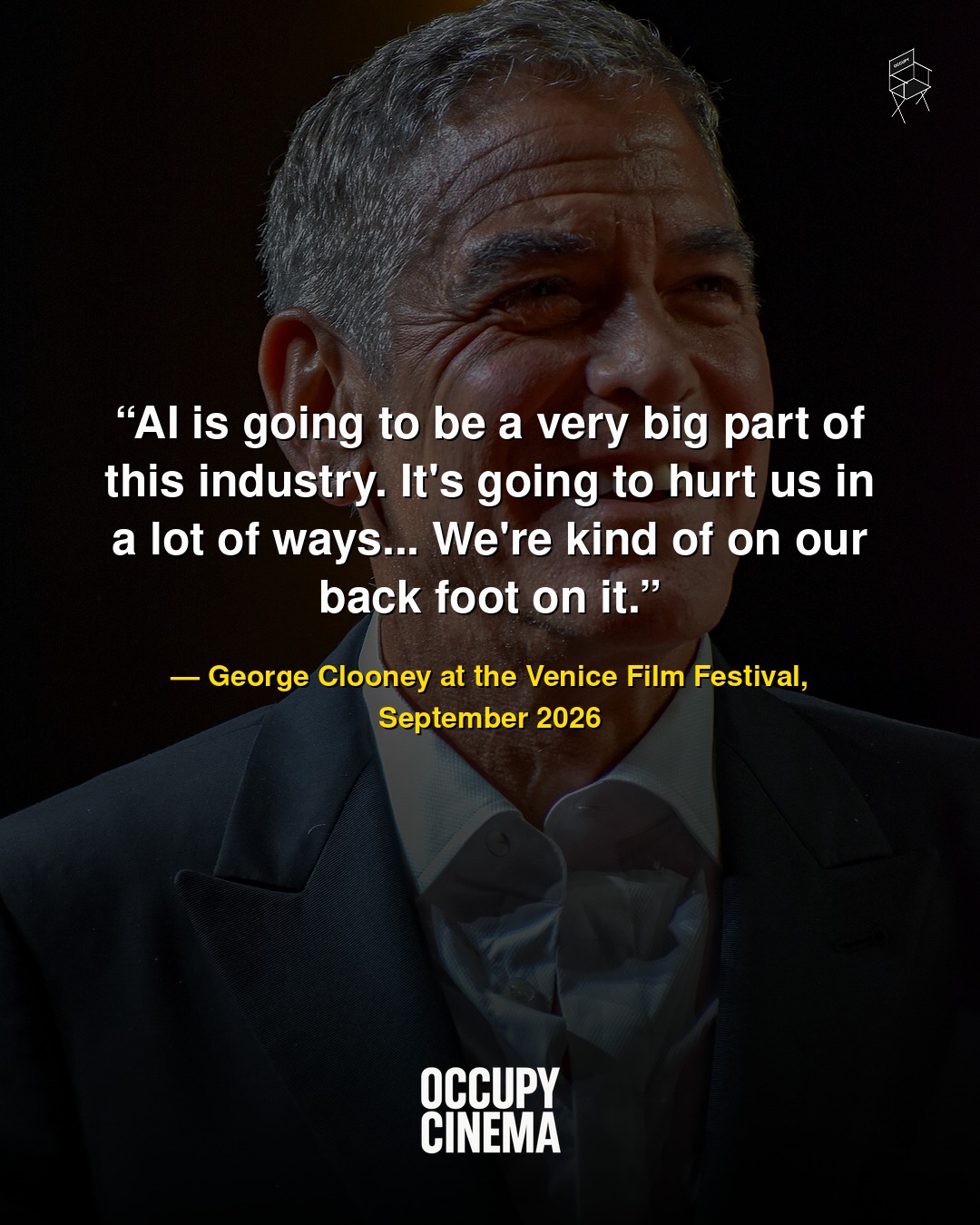
The actor and director focused a significant portion of his commentary on the encroaching threat of artificial intelligence and its potential impact on film production jobs. He singled out visual effects, stating pointedly that “if you’re a visual effects supervisor, you’re going to have trouble coming up.” Clooney's estimate, while self-admittedly speculative, suggested a staggering 30 percent of industry jobs could be at risk. This projection aligns with growing anxieties across various sectors of the entertainment world, where AI's capabilities are expanding rapidly, from scriptwriting assistance to deepfake technology. The sentiment underscores a fundamental shift in how films are made, potentially displacing skilled labor in favor of automated processes.
Consolidation Concerns and Industry Leadership
Beyond AI, Clooney took aim at the relentless march of industry consolidation. He specifically questioned the proposed merger between Paramount and Warner Bros. a deal that would further concentrate power within an already shrinking pool of major studios. “I don’t know how this goes through,” Clooney remarked, voicing skepticism about regulatory approval and the inevitable fallout for employees. His concern is widely shared, as such mergers historically lead to significant redundancies and reduced competition, impacting everything from creative diversity to talent negotiations. The industry veteran’s comments highlight a perceived lack of foresight within Hollywood leadership, describing the sector as “on our back foot” and “not taking the lead” in addressing these seismic shifts.
This critical stance from a figure like George Clooney carries considerable weight. His career spans decades, marked by both commercial success and critical acclaim, including two Academy Awards. He has navigated the transition from traditional studio systems to the streaming era, offering a unique perspective on the forces shaping the business. His directorial efforts, like Good Night, and Good Luck. and The Ides of March, often tackle themes of power, ethics, and media influence, lending additional credibility to his current observations.
The Broader Implications for Filmmaking
Clooney’s remarks come at a time when the industry is still reeling from prolonged labor disputes, including the WGA and SAG-AFTRA strikes, where AI was a central point of contention. The unions fought for protections against the unregulated use of AI, recognizing its potential to devalue human creativity and labor. His comments serve as a high-profile validation of those concerns, reinforcing the idea that the industry’s future is precarious if these technological and corporate trends continue unchecked. The debate isn't just about job security, but about the very nature of authorship and artistic integrity in an increasingly automated landscape.
The actor also used his platform to defend freedom of speech, specifically supporting Mark Ruffalo's right to express his views, even when he personally disagreed with them. This speaks to a broader concern about creative voices being stifled or marginalized in an era of intense public scrutiny and corporate pressure. It’s a call for an industry that not only adapts technologically but also maintains its commitment to diverse perspectives and open dialogue.
Clooney’s intervention in Venice was more than an acceptance speech; it was a potent warning shot. He framed the current moment as a crossroads for Hollywood, where decisions made now will determine whether the industry embraces a future that empowers creators and preserves jobs, or one that sacrifices both at the altar of efficiency and unchecked corporate growth. The question remains whether industry leaders will heed his call to action or continue to react rather than lead.
Related reading: S.F.W. 1994 Film.